Full Day Kruger Safari: Why a Full Day in the Park Is Worth It

Full Day Kruger Safari Experience

A full day Kruger safari gives you the one thing every wildlife experience needs: time. Time to watch the bush come alive in the early morning, time to explore different habitats, time to pause at meaningful sightings and time to enjoy the unexpected moments that make Kruger National Park unforgettable.

A shorter safari can offer wonderful encounters, but a full day in the park allows the experience to unfold more naturally. Wildlife activity changes throughout the day. A quiet road may lead to elephants at a waterhole, lions resting in the shade, giraffes feeding among the trees or a remarkable bird sighting that you would never have planned.

With Wild Photo Africa, a full day safari is guided with patience, knowledge and respect for the natural environment. Whether you are visiting Kruger for the first time, travelling with family, interested in photography or simply want a fuller wildlife experience, spending the day in the park gives you the best opportunity to appreciate the rhythm of the bush.
What Is a Full Day Kruger Safari?

A full day Kruger safari is a guided game-viewing experience that gives guests extended time inside Kruger National Park. Rather than limiting the journey to only a few morning or afternoon hours, the safari allows you to experience different parts of the day, explore more of the park and enjoy a wider range of possible sightings.

Your guide uses knowledge of the environment, weather, wildlife movement and current conditions to make the day as rewarding as possible. Because animals move freely, sightings cannot be guaranteed, but having more time in the park improves the opportunity to enjoy a varied and meaningful safari.

A More Complete Kruger Experience

A full day safari is ideal for guests who do not want to feel rushed. The day may include exciting wildlife sightings, relaxed observation, birding, photographic opportunities and stops to take in the surroundings.

Instead of viewing the park as a quick excursion, you have time to experience:

  • The cooler, quieter atmosphere of early morning.
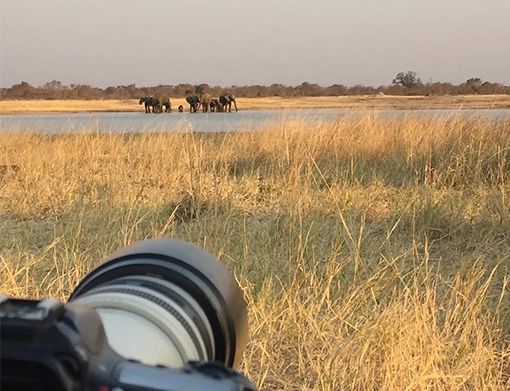
  • Wildlife moving, feeding or gathering near water.
  • Different habitats and changing landscapes.
  • Birdlife and smaller animals along the route.
  • Time at sightings when something special is unfolding.
  • The changing light and mood of the bush throughout the day.

A full day in Kruger is not only about seeing more. It is about experiencing more.

Why Choose a Full Day Safari in Kruger National Park?

Kruger is vast, and every area of the park can offer something different. The longer you spend exploring, the greater your opportunity to enjoy the variety that makes this destination so special.

More Time for Wildlife Sightings

Nature follows its own schedule. A safari may begin with quiet roads and gradually build into an unforgettable sequence of sightings. Alternatively, an extraordinary encounter may happen within the first hour, followed by a day of appreciating birds, landscapes and other wildlife. A full day gives you time to remain open to whatever Kruger reveals. You may see:

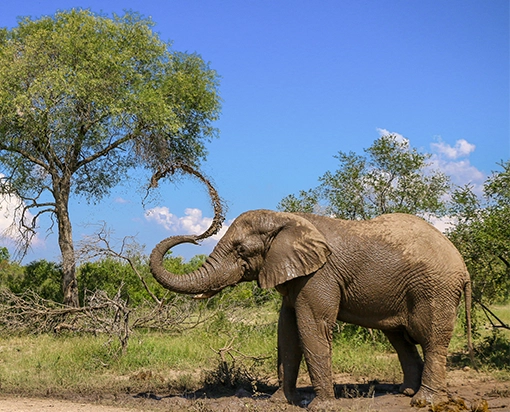
  • Elephants moving through the bush or gathering near water.
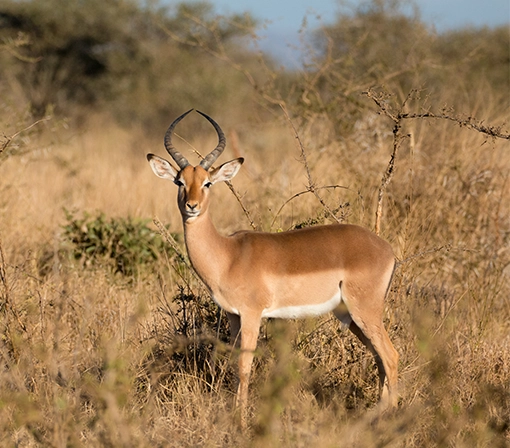
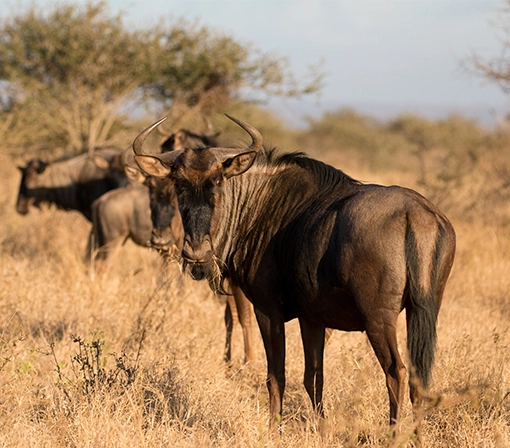
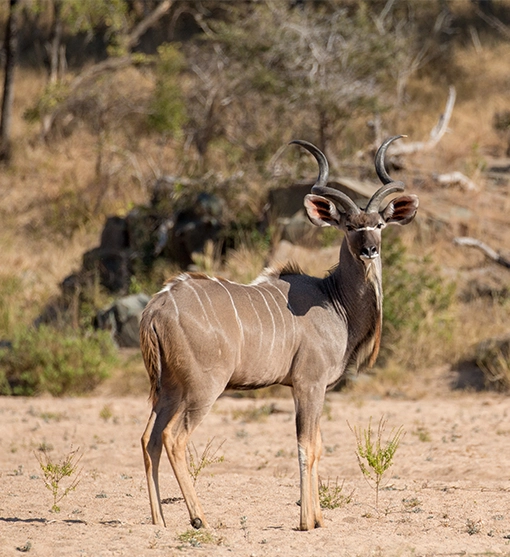
  • Giraffe, zebra, kudu, impala and wildebeest.
  • Buffalo moving through open areas.
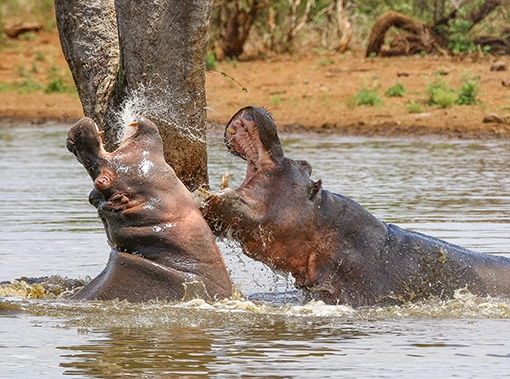
  • Hippos and crocodiles near rivers or dams.
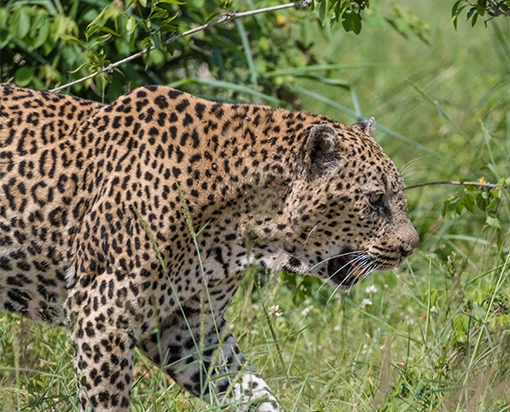
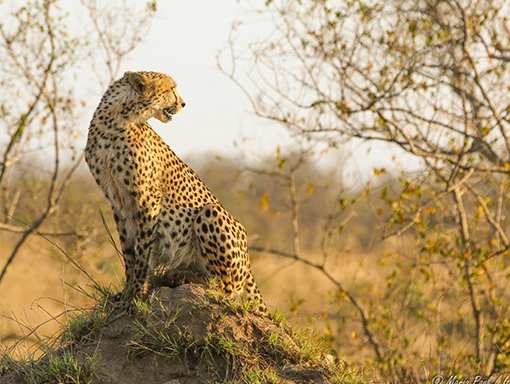
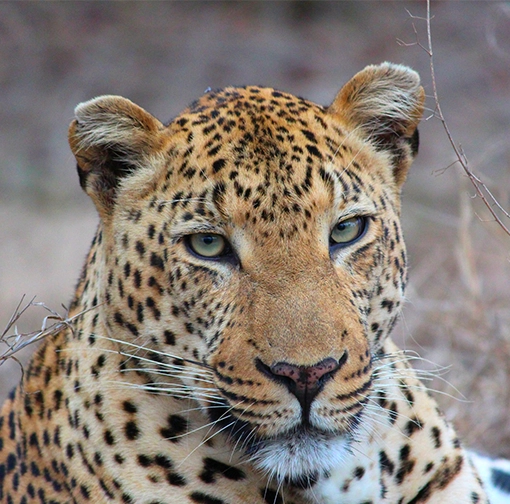
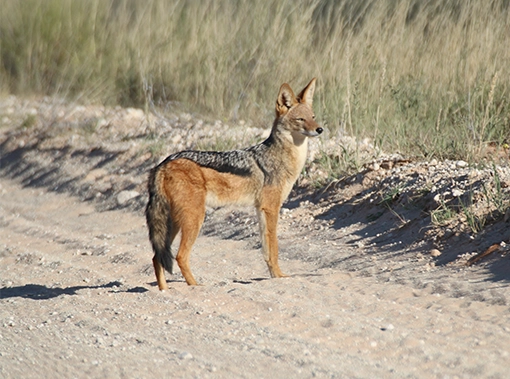
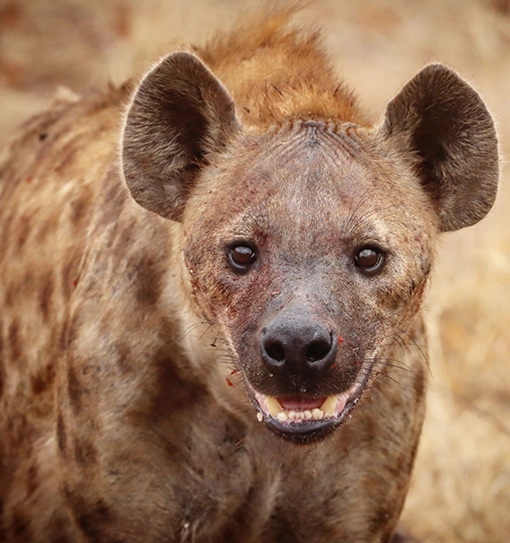
  • Lion, leopard, hyena, cheetah or wild dog, when fortunate.
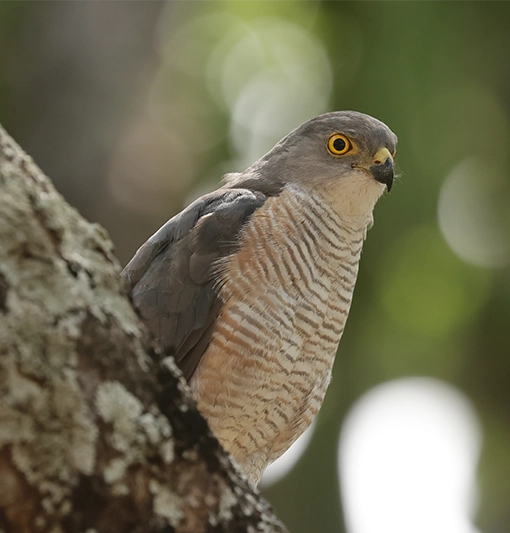
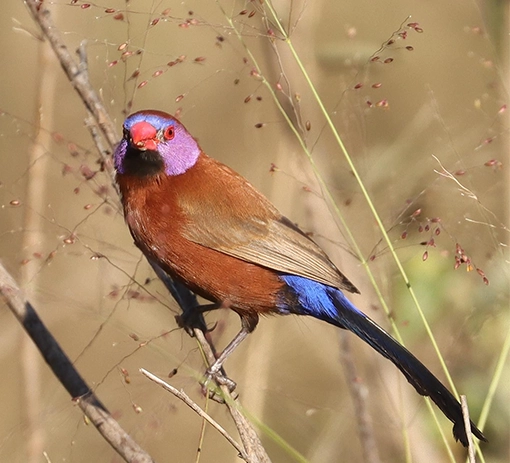
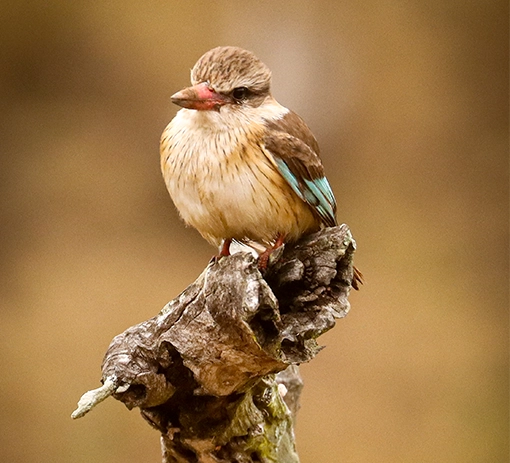
  • Eagles, hornbills, rollers, kingfishers and other birdlife.

Every sighting adds value to the journey, from the largest animals to the smallest details.

Time to Explore Different Habitats

Kruger National Park includes a variety of landscapes, from woodland and open grassland to river crossings and water sources. Each habitat can attract different wildlife and create different safari experiences.

By spending a full day in the park, your guide has more flexibility to explore routes suited to the conditions and interests of the group. This can be particularly valuable for guests who enjoy general wildlife viewing, birding or photography.

Less Pressure to Rush Between Sightings

One of the greatest benefits of a full day Kruger safari is the ability to slow down. An animal sighting becomes more rewarding when there is time to observe behaviour rather than simply stop, take a quick photograph and move on.

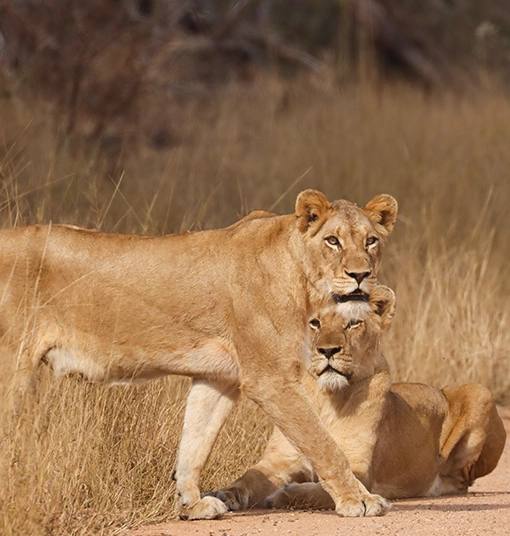
Watching an elephant family interact, seeing lions shift positions in the shade or noticing birds around a waterhole can create meaningful memories that a rushed experience might miss.

What Does a Full Day Kruger Safari Feel Like?

A safari day does not follow a fixed script because each journey is shaped by the wildlife, weather and natural activity in the park. However, a full day offers a beautiful progression from the quiet anticipation of morning to the changing conditions later in the day.

Early Morning in the Bush

The start of a safari often carries a special atmosphere. The air is cooler, the light is soft and the bush gradually becomes active with birdsong and movement.

Early morning can be rewarding for wildlife viewing and photography. Guests may encounter animals feeding, moving between areas or making use of the cooler conditions before the warmth of the day increases.  Remember to bring a warm layer, especially when travelling in an open safari vehicle.

Midday Wildlife Viewing

As the day becomes warmer, some wildlife may seek shade or rest near water. This does not mean the safari stops being rewarding. Midday can offer opportunities to observe:

  • Animals drinking or resting near water sources.
  • Elephants and buffalo moving through the landscape.
  • Birds active around rivers and dams.
  • Predators resting in shade.
  • Reptiles and smaller wildlife enjoying warmer conditions.

Your guide can use the pace of the day to search for different types of sightings and share information about the park’s animals, plants and habitats.

Afternoon Changes and New Opportunities

As conditions shift later in the day, the bush can reveal new activity. Light softens, temperatures begin to change and the landscape takes on a different mood.

For photographers, afternoon light may create warm colours and beautiful atmosphere. For general safari guests, it is another chance to enjoy wildlife encounters before completing a full and rewarding day in Kruger.
A Full Day Kruger Safari for First-Time Visitors

For guests visiting Kruger National Park for the first time, choosing a full day safari is an excellent introduction to the park.

A guided experience helps you understand what you are seeing rather than simply driving from one road to the next. Your guide can identify animals and birds, explain behaviour, recognise tracks or calls and help you appreciate the way the park’s ecosystem works together.

Learn More About the Bush

A first safari is often filled with questions:

Where are animals most likely to be seen?
Why are certain species found in particular habitats?
What does an alarm call mean?
How do guides spot animals hidden in the bush?
Why do animals behave differently during the heat of the day?

Having a professional guide makes these discoveries part of the experience. A full day provides more time to learn, ask questions and develop a deeper understanding of the park.

Experience More Than the Big Five

The Big Five are understandably exciting, but a first-time visitor can gain much more from Kruger by appreciating its full variety of wildlife.

A full day allows space for the memorable details: a giraffe crossing the road, a fish eagle calling near water, colourful birds in morning light, a herd of impala alert to movement or an elephant quietly feeding close by. These experiences create a genuine connection with Kruger rather than turning the safari into a race through a checklist.

Full Day Kruger Safari Photography Opportunities

A full day safari is a strong choice for guests who want to photograph wildlife and landscapes. More time in the park means more changing light, varied subjects and opportunities to wait patiently for natural moments.

Capture Different Types of Images

Throughout the day, photographers may have the opportunity to create a varied safari collection, including:

  • Wildlife portraits.
  • Animals interacting naturally.
  • Birds and smaller subjects.
  • Wide environmental images.
  • Waterhole scenes.
  • Landscape and bushveld photographs.
  • Candid safari memories of the experience itself.

A full day creates the possibility of photographing both the iconic wildlife moments and the quieter scenes that complete the story.

Work with Changing Light

Early morning can provide soft, gentle light that works beautifully for wildlife photography. Later in the day, brighter conditions may suit action, behaviour or scenes near water. As the light softens again, warm tones can create striking final images.

Photography is about adapting to what the day offers. With more hours available, you are not relying on a single short window of conditions.

Take Time at Promising Sightings

Wildlife photographs often improve when the photographer waits for behaviour. A resting animal may move, turn towards the light or interact with another animal. A bird may take flight. A herd may cross the road.

With Wild Photo Africa’s photographic awareness and respectful guiding approach, guests can enjoy the opportunity to observe moments patiently without disturbing the wildlife.

Is a Full Day Safari Suitable for Families?

A full day Kruger safari can be a memorable family experience, especially for families who want to share a genuine wildlife adventure together.

Children can enjoy searching for animals, identifying birds, learning interesting facts and experiencing the excitement of each new sighting. For adults, it is an opportunity to create shared memories away from everyday distractions.

A Safari That Encourages Curiosity

Kruger offers endless opportunities for children and families to learn naturally. They may discover:

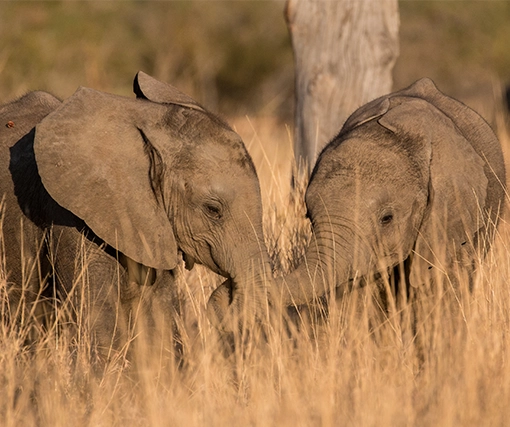
  • How elephants communicate and protect their young.
  • Why giraffes feed from certain trees.
  • How birds use different habitats.
  • What tracks and signs reveal about animals nearby.
  • Why wildlife should always be respected from a distance.

A guided safari helps bring these observations to life in an engaging and accessible way.

Choose an Experience That Suits Your Family

Families should consider the ages, comfort and interests of everyone in the group when booking. A full day is ideal for families who enjoy nature, can comfortably spend extended time in the vehicle and want a complete Kruger experience in a single day.

Wild Photo Africa offers safari experiences suited to families who want professional guidance, wildlife encounters and a calm, enjoyable pace in the park.

Full Day Safari Experiences for Birders and Nature Lovers

A full day safari is not only for guests searching for large animals. It is also an excellent option for birders and visitors who enjoy the smaller details of the natural world.

More Opportunities for Bird Sightings

Bird activity can vary across habitats and times of day. Spending longer in the park gives birders more opportunity to explore water sources, woodland, open areas and riverine habitats.

Guests may enjoy searching for:

  • Eagles and vultures.
  • Hornbills and rollers.
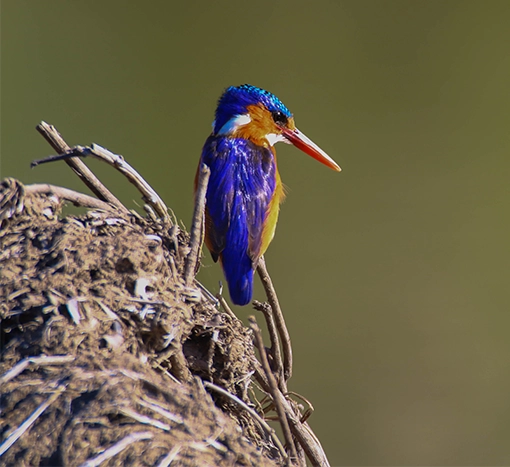
  • Kingfishers and other water-associated birds.
  • Storks, herons and waders.
  • Ground-dwelling species.
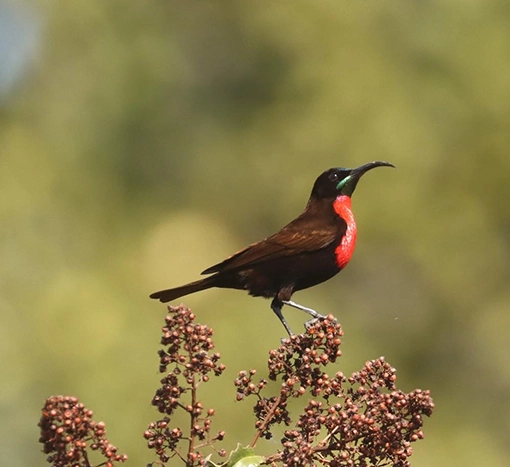
  • Smaller colourful birds hidden in the bush.

With a knowledgeable guide, bird sightings become an exciting part of the wider safari journey.

A Slower Way to Appreciate Kruger

Nature lovers often enjoy a safari that allows time for trees, tracks, scenery, insects, reptiles and bird calls, not only major mammal sightings.

A full day safari allows the park to be experienced with greater attention and appreciation. The quiet moments between larger sightings often reveal just how alive the Kruger wilderness truly is.
What to Pack for a Full Day Kruger Safari

Because you will be spending extended time in the park, preparing properly helps you remain comfortable and ready for the day.

Essential Items to Bring

Pack practical items such as:

Comfortable clothing in neutral colours.
A warm jacket or fleece for the early morning.
A hat and sunscreen.
Sunglasses.
Binoculars.
A camera or smartphone.
Spare batteries, memory cards or a power bank.
Drinking water.
Personal medication and essential items.

Temperatures may change between early morning and later in the day, so layered clothing is usually a practical choice.

Prepare for Photography Before Departure

Wildlife moments can happen quickly. Before your safari begins, check that your camera or phone is charged, storage space is available and your equipment is easy to access. A full day provides plenty of opportunities, but it is always best to be ready from the moment the safari begins.
Responsible Wildlife Viewing on a Full Day Safari

Spending a full day in Kruger is a privilege. Every encounter should be enjoyed in a way that respects the animals, the environment and other visitors.

Ethical safari behaviour includes:

  • Keeping a safe and respectful distance from wildlife.
  • Remaining quiet and calm at sightings.
  • Never pressuring an animal for a better view or photograph.
  • Allowing wildlife to move freely.
  • Following park rules and your guide’s instructions.
  • Appreciating natural behaviour without interference.

At Wild Photo Africa, responsible wildlife viewing is central to the safari experience. The best moments are those that happen naturally, with guests observing the bush respectfully and patiently.

Why Book a Full Day Kruger Safari with Wild Photo Africa?

Wild Photo Africa offers guided safari experiences in Kruger National Park for guests who want the time, knowledge and personal attention needed to experience the park properly.

A full day safari is available for different types of travellers, including guests interested in general wildlife viewing, private experiences, families, photography and birding. This makes it possible to select a safari experience that reflects what you most want from your time in Kruger.

With professional guiding, an ethical approach to wildlife and a deep appreciation for the park, Wild Photo Africa helps guests make the most of a complete day in one of South Africa’s greatest wilderness destinations.

Book Your Full Day Kruger Safari Adventure

A full day Kruger safari gives you the freedom to experience the park without rushing. From early morning anticipation to changing wildlife encounters and beautiful photographic moments, a full day creates space for Kruger to reveal itself naturally.

Whether you are hoping to see iconic wildlife, capture unforgettable images, introduce your family to the bush or simply spend meaningful time in nature, a guided safari with Wild Photo Africa offers an experience you will remember long after the day ends.

Book your full day Kruger safari with Wild Photo Africa and discover the wildlife, landscapes and unforgettable moments that make Kruger National Park so special.
Kruger Birding Safari: Discover the Birds of Kruger National Park

Kruger Birding Safari Experiences

A flash of colour from a lilac-breasted roller. The powerful silhouette of an eagle above the bushveld. The unmistakable call of a southern ground hornbill carrying through the early morning air. On a Kruger birding safari, every road, river crossing and tree line can reveal something remarkable.

Kruger National Park is famous for its wildlife, but its birdlife adds an entirely different dimension to the safari experience. With more than 500 bird species recorded in the park, it is an exceptional destination for both experienced birders and guests who simply want to notice more of the natural world around them.

A birding safari is not only about adding species to a checklist. It is about learning to listen, understanding habitats, watching behaviour and discovering how birdlife brings the bush to life. With specialist guidance from Wild Photo Africa, guests can experience the birds of Kruger at a thoughtful pace while still enjoying the park’s wider wildlife encounters.

Why Choose a Kruger Birding Safari?

Birding changes the way you experience a safari. Instead of waiting only for a large mammal sighting, every moment becomes filled with possibility. A bird may be perched beside the road, calling from thick foliage, circling overhead or feeding near water.

A Kruger birding safari helps guests connect with the park in greater detail. You begin to recognise the relationship between birds, habitats, seasons and other wildlife.

Birding Enhances the Full Safari Experience

A birding-focused safari does not mean missing out on Kruger’s larger wildlife. Elephants, giraffes, buffalo, antelope, predators and other animals may still form part of the journey.

The difference is that birding encourages a slower, more observant style of safari. You are not only travelling from one major sighting to the next. You are experiencing the park as a connected ecosystem, where every sound, movement and habitat has a story to tell.

Kruger Is a Rewarding Birding Destination

Kruger National Park’s varied habitats support a wide diversity of birds. Rivers, dams, open grasslands, woodland, rocky ridges and dense riverine areas all attract different species.

During a birding safari, guests may encounter:

Colourful rollers, bee-eaters and kingfishers.
Hornbills, starlings and shrikes.
Eagles, vultures and other birds of prey.
Storks, herons and waterbirds near rivers or dams.
Ground-dwelling birds such as francolins and bustards.
Migratory species during the warmer summer months.

This diversity means there is always something to look for, whether you are an avid birder or discovering birdwatching for the first time.

What Is a Guided Kruger Birding Safari?

A guided Kruger birding safari is an experience led by someone with knowledge of bird species, calls, habitats and behaviour. This specialised guidance helps guests identify more birds and understand what they are seeing.

Birds can be challenging to spot. They may be small, distant, briefly visible or identified more easily by sound than appearance. A knowledgeable guide can make an enormous difference.

Identifying Birds by Sight and Call

Many birds are noticed first through their calls. A guide who recognises bird sounds can alert guests to species that might otherwise remain hidden. Your guide may help you recognise:

  • The call of a fish eagle near water.
  • Hornbill calls across the woodland.
  • Alarm calls that indicate activity nearby.
  • Distinctive notes from smaller, less visible species.
  • The movement and feeding habits that help confirm an identification.

This is especially useful for beginner birders, who can gradually build confidence in recognising common Kruger birds.

Understanding Habitat and Behaviour

A birding safari is about more than naming species. Your guide can explain why certain birds are found in particular areas, how they feed, what behaviour they are displaying and how the seasons influence activity.

For example, water sources may attract storks, herons, kingfishers and fish eagles, while open areas may be rewarding for birds of prey and larger ground-dwelling species.

This knowledge makes each sighting more meaningful and helps guests understand where to look during future safari experiences.

The Big 6 Birds of Kruger National Park

While many safari guests search for the Big Five mammals, birders visiting Kruger often hope to see the park’s celebrated Big 6 birds. These sought-after species are impressive, memorable and rewarding to encounter in the wild.

1. Saddle-Billed Stork
The saddle-billed stork is one of Kruger’s most striking waterbirds. Its tall stature and bold red, black and yellow bill make it easy to recognise when seen near rivers, dams or wetland areas. Photographers especially appreciate this bird for its elegant shape and distinctive colouring.

2. Kori Bustard
The kori bustard is a large, ground-dwelling bird usually associated with open areas. Its size and slow, deliberate movement make a sighting especially memorable. Spotting one moving through open bushveld can be a highlight of a birding safari.

3. Martial Eagle
The martial eagle is a powerful bird of prey and an exciting species to find during a safari. It may be seen perched high in a tree or scanning the landscape from above. A good view of this impressive raptor is often a memorable moment for birders and wildlife photographers alike.

4. Lappet-Faced Vulture
The lappet-faced vulture plays an important role in the ecosystem as a scavenger. Its size and distinctive head make it an impressive bird to observe, whether perched or seen around feeding activity. Vultures are an important reminder of the ecological value of every species in the bush.

5. Pel’s Fishing-Owl
Pel’s fishing-owl is one of the more elusive and highly sought-after birds associated with riverine habitats. Its secretive habits make every sighting particularly special. Finding this bird usually requires patience, knowledge of suitable habitat and a good measure of luck.

6. Southern Ground Hornbill
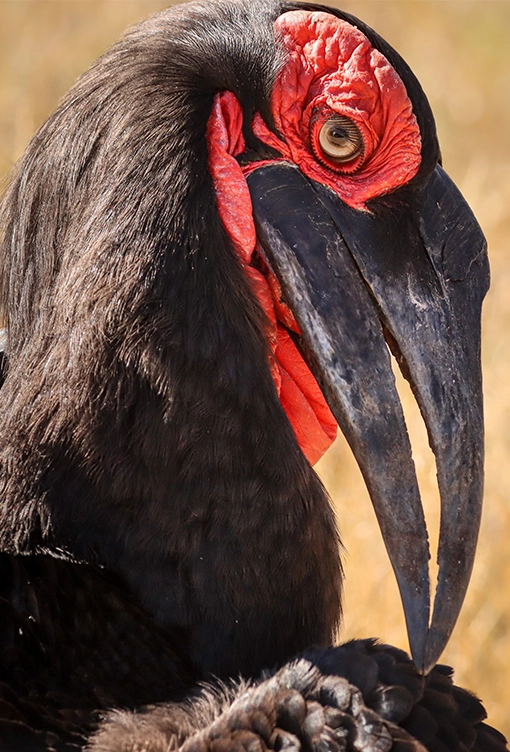
The southern ground hornbill is a charismatic bird often seen walking through open areas in small groups. Its black body, bright red facial skin and deep, carrying call make it unmistakable. Seeing and hearing ground hornbills in the wild is a distinctly African birding experience.

When Is the Best Time for a Kruger Birding Safari?

Birding in Kruger can be rewarding throughout the year, but the seasons influence the landscape, bird activity and variety of species present.

Summer Birding in Kruger

The warmer, wetter months bring lush vegetation, active insects and increased bird activity. Summer is especially exciting for guests hoping to see migratory birds that arrive in southern Africa during this season. A summer Kruger birding safari may offer:

  • Migratory species alongside resident birds.
  • Colourful breeding plumage.
  • Active calling and nesting behaviour.
  • Lush photographic backgrounds.
  • Rich birding around water and flowering vegetation.

Although thicker greenery can sometimes make birds more difficult to spot, the increased activity and variety can make summer highly rewarding.

Winter Birding in Kruger

During the drier months, the landscape becomes more open and visibility may improve in many areas. Resident birds are still present, and water sources can become important gathering places for wildlife and birdlife.

Winter can appeal to guests who want cooler safari conditions, easier visibility in some habitats and the opportunity to combine birding with strong general game viewing.

Early Mornings Are Especially Rewarding

Bird activity is often at its most noticeable in the morning. The park comes alive with calls, movement and feeding activity as the day begins.

For birders and photographers, an early morning safari offers the added benefit of softer natural light and a peaceful atmosphere in the bush.

Bird Photography on a Kruger Birding Safari

Bird photography is challenging, rewarding and deeply addictive. Birds can move quickly, sit high above the road or disappear within seconds, but the opportunity to capture their colours and behaviour makes the effort worthwhile.

A guided birding safari with a photography focus gives guests time to look for good angles, patient sightings and natural moments.

Photograph Birds in Their Habitat

A close-up image can be beautiful, but birds photographed within their environment can tell a stronger story. Look for opportunities such as:

  • A fish eagle perched above a river.
  • A kingfisher near water.
  • A roller against a clean natural background.
  • Vultures circling above the landscape.
  • A ground hornbill walking through open grassland.
  • Waterbirds reflected in a dam.

These images show both the bird and the wild setting that makes Kruger so special.
Watch for Behaviour

Some of the best bird photographs capture action or natural behaviour rather than a bird simply sitting still. Possible photographic moments include:

  • A bird taking flight.
  • Feeding or hunting behaviour.
  • A pair interacting.
  • A bird calling from a perch.
  • Birds bathing or drinking.
  • Parent birds attending to young.

A patient guide can help you remain with a promising sighting long enough for behaviour to develop naturally.

Prepare Your Photography Equipment

For guests interested in bird photography, preparation makes a difference. Birds may only offer a brief window for a photograph. Useful items include:

  • A camera with a telephoto or zoom lens.
  • Fully charged spare batteries.
  • Additional memory cards.
  • A lens cloth for dust.
  • Binoculars for spotting birds.
  • A power bank when using a smartphone.
  • A bird checklist or identification guide.

Guests using smartphones can still capture landscapes, larger birds and meaningful safari memories, especially when working with good light and stable framing.

A Birding Safari for Beginners and Experienced Birders

You do not need to arrive in Kruger with an extensive bird list or advanced identification skills. A guided safari can be enjoyable at every level.

For First-Time Birders

A Kruger birding safari is a welcoming way to discover birdwatching. Beginners can learn how to:

  • Spot common birds in different habitats.
  • Listen for recognisable calls.
  • Use binoculars effectively.
  • Notice colour, shape, movement and behaviour.
  • Begin keeping a list of species seen.

Birding can quickly turn a quiet moment into an exciting search, giving guests a deeper appreciation for the park.

For Experienced Birders

More experienced birders may prefer a safari focused on specific habitats, target species, photography or longer periods of observation.

A specialist guide can help make the most of available time, local conditions and birding opportunities while acknowledging that wildlife sightings can never be guaranteed.

For Families and Nature Lovers

Birding is also a wonderful safari activity for families. Children can enjoy looking for colourful species, listening to calls and learning how different birds live and feed.

Because birds are present throughout the safari, they provide frequent moments of discovery and help younger guests remain engaged with the natural environment.

What to Bring on a Kruger Birding Safari

The right preparation helps you remain comfortable and ready for sightings throughout your safari.

Recommended Birding Essentials
Consider packing:

Binoculars.
A camera or smartphone.
A bird identification guide or checklist.
A notebook or birding app for recording sightings.
Comfortable clothing in natural colours.
A warm layer for early mornings.
A hat and sunscreen.
Drinking water.
Spare batteries or a power bank.

Neutral clothing and quiet movement help keep the experience comfortable and respectful in the natural environment.

Bring Patience and Curiosity
Birding is often about slowing down. A small bird hidden in a tree may take time to identify, while a call heard in the distance may lead to an exciting sighting. The more attention you give to the bush, the more it reveals. Every bird sighting, whether common or unusual, becomes part of your Kruger experience.

Ethical Birding and Responsible Wildlife Viewing

Birds and other wildlife should always be observed without disruption. This is especially important during feeding, nesting or sensitive behaviour. Responsible birding includes:

  • Keeping a respectful distance from birds and nests.
  • Remaining quiet at sightings.
  • Avoiding disturbance for the sake of a photograph.
  • Allowing birds to behave naturally.
  • Following park regulations and guide instructions.
  • Respecting the environment and other visitors.

A beautiful sighting is most rewarding when it happens naturally. Ethical birding helps protect the experience for wildlife and for future guests.

Why Book a Kruger Birding Safari with Wild Photo Africa?

Wild Photo Africa offers specialist-guided birding safaris for guests who want to explore Kruger National Park through its remarkable birdlife while still enjoying the full safari experience.

With a focus on bird identification, calls, behaviour, habitat and photography, these safaris are designed for birders, photographers, families and nature enthusiasts seeking a more detailed and personal experience of the park.

Wild Photo Africa’s approach is built around professional guiding, ethical wildlife viewing and time to appreciate each sighting properly. Whether you are hoping to photograph colourful birds, search for Kruger’s Big 6 or simply learn more about the sounds and movements of the bush, a birding safari offers an unforgettable way to experience Kruger.

Book Your Kruger Birding Safari Adventure

A Kruger birding safari opens your eyes and ears to a side of the park that many visitors overlook. From the smallest colourful birds to powerful eagles and sought-after species, birdlife adds movement, sound and beauty to every safari journey.

With knowledgeable guidance and a respectful approach to nature, Wild Photo Africa helps guests discover the remarkable birdlife of Kruger National Park at a pace that allows every sighting to be enjoyed.

Book your Kruger birding safari with Wild Photo Africa and experience Kruger through its birds, habitats, sounds and unforgettable photographic moments.

Kruger Photography Safari: How to Capture Better Wildlife Moments in the Bush

Kruger Photography Safari Guide

A lion stepping into soft morning light. An elephant calf sheltered beside its mother. A lilac-breasted roller lifting from a branch in a burst of colour. These are the moments that make a Kruger photography safari unforgettable.

Kruger National Park offers photographers an extraordinary mix of wildlife, landscapes, birdlife and changing natural light. Yet capturing strong wildlife images is not only about owning a large camera or a long lens. It is about being in the right place, remaining patient, recognising behaviour and allowing nature to unfold without rushing the experience.

With Wild Photo Africa, guests can explore Kruger with guides who understand both the wildlife and the photographic opportunities it presents. Whether you are using a professional camera, a beginner setup or a smartphone, a dedicated photographic safari gives you the time and guidance needed to capture meaningful images and enjoy the story behind every sighting.

What Is a Kruger Photography Safari?

A Kruger photography safari is a guided wildlife experience designed around the needs of photographers and guests who want stronger visual memories of their time in the park.

Unlike a standard game drive that may focus mainly on seeing as many animals as possible, a photographic safari allows more attention to be placed on light, angles, backgrounds, animal behaviour and patient observation.

More Than a Wildlife Checklist

Seeing iconic animals is always exciting, but a successful photography safari is not measured only by the number of sightings. It is about capturing moments that communicate the feeling of the African bush.

This could include:

  • A herd of elephants moving through a dusty road.
  • A leopard framed naturally by branches.
  • A giraffe silhouetted against the evening sky.
  • A bird perched in clear morning light.
  • Antelope standing alert after hearing an alarm call.
  • A wide landscape image that shows an animal in its natural environment.

A photograph becomes more powerful when it tells a story rather than simply recording that an animal was seen.

Suitable for Beginners and Experienced Photographers

A Kruger photography safari is not only for professional photographers. Beginners can learn how to anticipate wildlife moments, improve composition and make better use of available light.

Experienced photographers benefit from a guide who understands the importance of vehicle position, patience and allowing enough time at promising sightings.

Even guests using smartphones can enjoy the experience, especially when the focus is on getting closer to nature, observing carefully and creating memorable images.

Why Kruger National Park Is Ideal for Wildlife Photography

Kruger National Park is one of South Africa’s most celebrated safari destinations, offering a wide variety of habitats and wildlife-viewing opportunities.

From river systems and open grassland to woodland and rocky areas, the changing landscapes provide different photographic backgrounds throughout the journey.

Incredible Wildlife Diversity

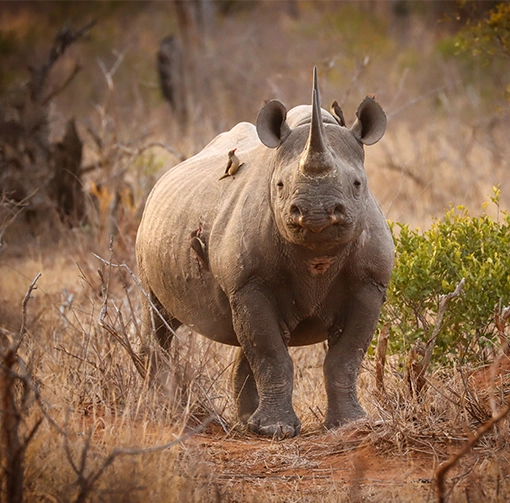
Many visitors hope to photograph elephant, lion, leopard, buffalo and rhino. These animals can create unforgettable photographic moments, but they are only part of Kruger’s appeal.

A day in the park may also offer opportunities to photograph:

  • Zebra, giraffe, kudu, wildebeest and impala.
  • Hippos, crocodiles and waterbirds near rivers or dams.
  • Hyena, jackal, cheetah or wild dog when fortunate.
  • Eagles, kingfishers, rollers, hornbills and other birdlife.
  • Reptiles, insects and smaller details that reveal the character of the bush.

The variety means photographers can work with portraits, action, landscapes, behaviour and bird photography during the same safari.

Natural Light and Changing Landscapes

Light can transform a wildlife photograph. Early mornings may offer soft golden tones, mist, long shadows and cool conditions when animals are active.

Later in the day, the bush takes on different colours and moods. Dust, clouds, summer greenery or dry winter grasses can all contribute to the atmosphere of an image.

A Kruger photography safari allows you to work with these changing conditions rather than searching only for close-up animal sightings.

The Difference Between a Photography Safari and a Standard Game Drive

Every guided game drive can be enjoyable, but photographers often need a different style of safari.

Time to Wait for the Right Moment

Wildlife photography rewards patience. An animal may initially appear to be doing very little, but a few quiet minutes can lead to a more interesting photograph.

A resting lion may stand, stretch or interact with another member of the pride. An elephant herd may cross the road in a natural formation. A bird may take flight in beautiful light.

On a photographic safari, there is greater appreciation for waiting rather than immediately moving on.

Attention to Positioning and Backgrounds

A good wildlife photograph is shaped by more than the animal itself. Branches, harsh shadows, busy backgrounds or an awkward vehicle angle can affect the final image.

A guide experienced in photography understands how position and light influence the photograph. Without disturbing the wildlife or leaving authorised routes, the vehicle may be carefully placed to help guests find a cleaner angle or a stronger composition.

A Safari Shaped Around Your Photographic Goals

Different photographers have different interests. Some want portraits of large mammals, while others are drawn to birds, action, landscapes or animal behaviour.

A dedicated safari provides an opportunity to discuss what you hope to photograph and focus the experience accordingly, while accepting that wildlife remains unpredictable and every sighting happens naturally.

How to Capture Better Wildlife Photographs on Safari

You cannot control the wildlife, but you can prepare yourself to respond when a photographic opportunity appears.

Photograph Animal Behaviour

A clear portrait is always valuable, but behaviour often creates the most engaging safari images. Look for moments such as:

  • Elephants greeting, feeding or caring for young.
  • Lions communicating, walking or resting together.
  • Birds feeding, calling or taking flight.
  • Antelope watching for danger.
  • Giraffes interacting or browsing.
  • Animals approaching water or moving through their habitat.

Behaviour adds emotion, movement and context to your photographs.

Include the Environment

It is easy to focus only on close-up photographs, especially when seeing exciting wildlife. However, wider compositions can reveal the scale and beauty of Kruger National Park. Try photographing:

  • An elephant beneath a large African sky.
  • Giraffe moving through woodland.
  • Antelope in golden grass.
  • A bird surrounded by its habitat.
  • A safari road disappearing into the bush.

These photographs help tell the full story of where the animal lives.

Be Patient with Quiet Sightings

Not every moment begins dramatically. Sometimes the best image happens after waiting quietly and observing.

Rather than immediately searching for the next animal, watch how the subject responds to its surroundings. Look at the direction of the light, the background and the possibility of movement.

Patience often turns an ordinary sighting into a memorable photograph.

Camera Gear for a Kruger Photography Safari

The best camera is the one you are comfortable using, but good preparation helps you respond quickly in the field.

Camera and Lens Suggestions

For wildlife photography, a telephoto lens can be useful when animals are viewed at a respectful distance. A zoom lens also offers flexibility when animals move closer or when you want to capture more of the surrounding landscape. A wider lens may be useful for:

  • Bushveld scenery.
  • Dramatic skies.
  • Animals within their environment.
  • Safari storytelling photographs.

You do not need to carry every lens you own. Choose equipment that is practical, comfortable and easy to manage in the vehicle.

Helpful Safari Photography Accessories

Consider bringing:

  • Fully charged camera batteries.
  • Spare batteries.
  • Additional memory cards.
  • A lens cloth or cleaning kit.
  • A protective camera bag.
  • A beanbag or stabilising support, where available.
  • Binoculars for spotting animals and birdlife.
  • A power bank for phone photography.

Dust is part of the safari environment, particularly during drier months. Keep your equipment protected when it is not in use and avoid unnecessary lens changes in dusty conditions.

Smartphone Photography Tips

A smartphone can still capture beautiful safari memories, especially when animals are reasonably close or when photographing landscapes and atmosphere. For better smartphone photographs:

  • Clean the camera lens before the drive.
  • Avoid excessive digital zoom.
  • Use natural light wherever possible.
  • Keep the phone stable when taking photographs.
  • Focus on composition, behaviour and the wider setting.

The most meaningful photograph is not always the closest image. It is often the one that best preserves the feeling of the moment.

Best Time for a Kruger Photography Safari

Kruger offers excellent photographic opportunities throughout the year, but each season has a different visual character.

Dry Season Photography
During the dry season, vegetation is often more open and wildlife may be drawn towards available water sources. Photographically, this season can offer:

  • Golden and earthy landscape tones.
  • Dust creating atmosphere in backlit images.
  • Clearer visibility through thinner vegetation.
  • Wildlife activity near water.

Early mornings can be cold, so warm clothing is important for guests travelling in open safari vehicles.

Green Season Photography
After the rains, Kruger becomes lush, vibrant and full of colour. This season can be especially rewarding for photographers interested in landscapes, birdlife and young animals. Green season opportunities may include:

  • Rich natural backgrounds.
  • Dramatic skies and summer clouds.
  • Active birdlife.
  • Fresh vegetation and seasonal flowers.
  • Newborn animals and family interactions.

Although thicker vegetation may sometimes make wildlife more difficult to spot, it can also provide beautiful environmental photographs.

Make the Most of Early Morning Light
Early mornings are particularly rewarding for wildlife photography. Animals may be more active in cooler temperatures, while the softer light can add warmth and depth to images. A sunrise safari also brings a distinctive atmosphere: cooler air, quiet roads, bird calls and the anticipation of discovering what the new day will reveal.

Ethical Wildlife Photography in Kruger National Park

The privilege of photographing wildlife comes with responsibility. Wild animals should always be observed respectfully and allowed to behave naturally.

Keep the Wildlife Experience Natural

Responsible wildlife photography means:

  • Maintaining a respectful distance.
  • Remaining calm and quiet at sightings.
  • Avoiding pressure on animals for a better photograph.
  • Never encouraging wildlife to move or react.
  • Following park rules and your guide’s instructions.
  • Being considerate of other guests enjoying the sighting.

A natural photograph of an undisturbed animal is far more meaningful than an image created through interruption or stress.

Respect the Moment Beyond the Photograph

A safari should never become only about collecting images. Take time to put the camera down, listen to the bush and appreciate the privilege of being close to wildlife in its natural environment.

Often, the moments you remember most strongly are not only the photographs you captured, but the sounds, anticipation and emotion surrounding them.

Choosing the Right Kruger Photography Safari Experience

The ideal photographic safari depends on your available time, photography interests and the type of experience you want.

Photographic Day Safari
A full-day photographic safari is an excellent choice for guests who want a complete Kruger photography experience in a single day. It provides time to explore, work with changing light and seek a variety of wildlife and birdlife opportunities without needing to commit to an overnight journey.

Multi-Day Photographic Safari
For photographers who want a deeper experience, a multi-day photographic safari provides more time in the park and more opportunities to adapt to changing conditions. Over several days, you can experience different sightings, changing landscapes, varied light and the natural rhythm of the bush. This option is especially appealing for guests with specific photographic interests or those who want an immersive wildlife photography journey.

Private Photography-Focused Safari
A private safari offers additional flexibility for photographers, couples, families or small groups who prefer a more personal experience. With your own guide and vehicle, the pace of the safari can be better aligned with your photographic priorities and comfort.

Why Book a Kruger Photography Safari with Wild Photo Africa?

Wild Photo Africa specialises in wildlife photography tours into Kruger National Park, helping guests experience the bush through both observation and photography.

The team understands that photographers value time, positioning, natural light and animal behaviour. Just as importantly, Wild Photo Africa places emphasis on ethical wildlife viewing and creating a rewarding safari experience, whether guests are beginners, enthusiastic hobbyists or experienced photographers.

From photographic day safaris to longer immersive journeys, Wild Photo Africa offers guests the opportunity to explore Kruger with professional guidance and a genuine appreciation for the natural world.

Capture Your Kruger Story with Wild Photo Africa

A Kruger photography safari is an opportunity to capture more than photographs. It is a chance to preserve moments of connection, patience, excitement and wonder in one of South Africa’s most remarkable wilderness destinations.

Every safari brings a new story: the light, the landscape, the movement of wildlife and the unexpected encounters that make Kruger unforgettable.

Book your Kruger photography safari with Wild Photo Africa and experience the park with expert photographic guidance, respectful wildlife viewing and the time needed to capture moments that will stay with you long after the safari ends.

Kruger Park Safari: Wildlife and Photography Guide

What to Expect and How to Capture the Experience

A Kruger Park safari is more than a chance to see wildlife. It is an opportunity to slow down, listen to the bush, notice animal behaviour and experience one of South Africa’s most remarkable wilderness destinations from a completely different perspective.

From elephants crossing the road in the early morning light to a leopard resting quietly in a tree, every safari brings its own unexpected moments. For photographers, families, birders and first-time visitors, the Kruger National Park offers an experience that is both exciting and deeply memorable.

At Wild Photo Africa, a safari is not about rushing from one sighting to the next. It is about meaningful time in nature, ethical wildlife viewing and giving guests the best possible opportunity to observe and photograph the beauty of the African bush.

Why Choose a Kruger Park Safari?

Kruger National Park is one of South Africa’s best-known wildlife destinations, attracting visitors from around the world who want to experience animals in their natural environment.

A safari in Kruger can introduce you to far more than the famous Big Five. During a day in the park, you may encounter giraffe feeding among acacia trees, zebra gathered near open grassland, hippos resting in water, crocodiles along riverbanks, colourful birdlife and smaller creatures that are just as fascinating to observe.

The beauty of a Kruger Park safari is that no two drives are ever the same. Wildlife moves freely, weather influences activity, seasons change the landscape and each sighting unfolds naturally.

A Safari Experience for Different Travellers

A Kruger safari can suit many different types of visitors:

Photography enthusiasts looking for opportunities to capture wildlife, landscapes and natural behaviour.
Families wanting to introduce children to the wonders of nature and conservation.
First-time safari guests who would benefit from professional guidance and local knowledge.
Birders hoping to identify and photograph Kruger’s impressive birdlife.
Wildlife lovers who simply want to spend meaningful time in the bush.

Whether you carry a professional camera, a smartphone or simply a pair of binoculars, the Kruger offers moments worth remembering.

What Makes a Guided Kruger Park Safari Special?

Exploring Kruger with a knowledgeable guide adds depth to the experience. A guide does far more than drive the vehicle. They help guests understand animal behaviour, recognise tracks and calls, identify birdlife and appreciate the smaller details of the ecosystem.

A good guide also understands the pace of the bush. Rather than constantly moving in search of the next animal, they know when to wait, watch and allow a special moment to develop naturally.

Better Opportunities for Wildlife Viewing

Wild animals do not follow a schedule. Spotting them often depends on understanding the environment, reading signs and recognising where certain species may be active at different times of day.

An experienced guide can help guests notice details they might otherwise miss, such as:

  • Fresh tracks on a sandy road.
  • Alarm calls warning of a predator nearby.
  • Birds gathering around a feeding opportunity.
  • Elephant movement near a water source.
  • The subtle shape of a leopard resting among branches.

This knowledge can transform a pleasant drive into a far richer safari experience.

A More Relaxed Safari Journey

On a guided safari, guests can focus on the view, their camera and the excitement of the experience instead of navigating roads or searching for wildlife on their own.

This is especially valuable for photographers, families and visitors experiencing the Kruger National Park for the first time.

Kruger Park Safari Photography: Capturing the Moment

Kruger National Park is an extraordinary destination for wildlife photography. The variety of animals, changing landscapes and natural light create endless possibilities for memorable photographs.

However, great wildlife photography is not only about having the most expensive camera. It is about patience, timing, observation and being ready when a special moment happens.

Photograph Behaviour, Not Only Animals

A portrait of a lion or elephant can be beautiful, but photographs that show behaviour often tell a stronger story.

Look for moments such as:

  • An elephant calf walking beside its mother.
  • A bird taking flight from a branch.
  • A giraffe stretching to reach fresh leaves.
  • Zebra interacting at a waterhole.
  • A predator watching the surrounding bush.
  • Monkeys grooming or playing in the trees.

These moments communicate the true character of the animal and the atmosphere of the safari.

Use the Morning and Late Afternoon Light

Early morning and late afternoon often provide softer, warmer light for photography. These times of day can help create beautiful colours, longer shadows and more dramatic wildlife images.

Morning drives may also bring the excitement of animals becoming active as the day begins. The quiet atmosphere, cooler air and soft sunrise light can make the first hours in Kruger especially rewarding.

Be Ready Before the Sighting Happens

Wildlife moments can happen quickly. Before heading out on safari, make sure your camera battery is charged, your memory card has enough space and your basic settings are ready for changing conditions.

For guests using smartphones, simple preparation also helps. Clean the lens, make sure there is enough storage and avoid excessive zoom, which can reduce image quality.

Most importantly, remember to enjoy the sighting with your own eyes too. A safari is not only about the photograph; it is about the moment behind it.

What Wildlife Can You See on a Kruger Park Safari?

Many visitors arrive in Kruger hoping to see lion, leopard, elephant, rhino and buffalo. These animals are always exciting to encounter, but the park offers a much broader wildlife experience.

During a safari, you may also see:

  • Giraffe, zebra, wildebeest and kudu.
  • Hippo and crocodile near dams or rivers.
  • Warthog and impala along open plains.
  • Hyena, jackal or wild dog if you are fortunate.
  • Eagles, kingfishers, hornbills, rollers and many other bird species.
  • Reptiles, insects and smaller animals that form an important part of the ecosystem.

A rewarding safari is not measured only by how many major animals appear. Some of the most memorable moments come from quietly observing natural behaviour, learning about the environment and appreciating the diversity of life in the park.

When Is the Best Time for a Kruger Park Safari?

Kruger can be visited throughout the year, with each season offering a different type of safari experience.

Dry Season Safaris
During the drier months, vegetation is often less dense and animals may gather around available water sources. This can make wildlife easier to spot in certain areas. The cooler mornings are also ideal for long drives and photography, although guests should come prepared with warm clothing for early departures.

Green Season Safaris
After summer rains, the bush becomes lush and vibrant. The landscape is beautifully green, birdlife is particularly rewarding and many young animals may be seen. Although thicker vegetation can sometimes make sightings more challenging, the scenery and photographic opportunities can be exceptional.

Choosing the Right Season for Your Goals
The best time to travel depends on what you would most like from your safari. Guests focused on general wildlife viewing may prefer drier conditions, while birders and landscape photographers may enjoy the colour and activity of the greener months. A knowledgeable safari operator can help you choose an experience that suits your interests.

What to Bring on Your Kruger Safari

Preparing well helps you stay comfortable and get more from your safari day.

Essential Safari Items

Consider packing:

  • Comfortable, neutral-coloured clothing.
  • A warm jacket for early morning drives.
  • A hat and sunscreen.
  • Binoculars.
  • A camera or smartphone.
  • Spare batteries or a power bank.
  • Extra memory cards for photography.
  • Water and any personal essentials.

Avoid bringing unnecessary items that may get in the way during the drive. A simple, well-prepared day bag is usually enough.

Photography Gear for a Safari

For keen photographers, a telephoto lens is useful for wildlife at a distance, while a wider lens can help capture landscapes and animals within their environment.

However, a safari can still be deeply rewarding without specialist equipment. A smartphone can capture beautiful memories, especially when the focus is on light, composition and storytelling rather than distance alone.

Ethical Wildlife Viewing in Kruger National Park

Wildlife should always be observed respectfully. The animals of Kruger are living freely in their natural environment, and responsible safari behaviour helps protect the quality of the experience for both wildlife and visitors.

An ethical safari approach includes:

Keeping a respectful distance from animals.
Remaining calm and quiet at sightings.
Avoiding pressure on animals for a photograph.
Being patient when wildlife is moving or resting.
Respecting park rules and the natural environment.

At Wild Photo Africa, ethical wildlife viewing is central to the safari experience. A memorable image should never come at the cost of an animal’s comfort or natural behaviour.

Why Book a Kruger Park Safari with Wild Photo Africa?

Wild Photo Africa offers guided safari experiences in and around the Kruger National Park for guests who want more than a simple sightseeing drive.

Based in White River, the team specialises in creating rewarding safari experiences for photographers, families, birders and wildlife enthusiasts. The focus is on professional guiding, personal attention, respectful wildlife viewing and allowing enough time for special moments to unfold.

Safaris Designed Around the Experience

Depending on your interests, Wild Photo Africa offers safari experiences that include:

Whether you are visiting Kruger for the first time or returning with a camera and a deeper appreciation for the wilderness, Wild Photo Africa helps you experience the park in a calm, meaningful and unforgettable way.

Plan Your Kruger Park Safari Adventure

A Kruger Park safari invites you into a world of early morning light, distant animal calls, patient observation and unexpected encounters. It is a journey shaped by nature, where the most memorable moments are often the ones you could never have planned.

With experienced guidance, respectful wildlife viewing and a passion for photography and the African bush, Wild Photo Africa offers the opportunity to experience Kruger National Park in a personal and rewarding way.

Book your Kruger Park safari with Wild Photo Africa and discover the beauty, wildlife and photographic possibilities of one of South Africa’s most iconic safari destinations.

Tips for Wildlife Photography: How to Capture Motion on a Kruger Safari

How to Capture Motion in Wildlife Photography

The best wildlife photograph you will ever take is the one you almost missed. 

The leopard that dropped into a crouch a split second before you raised your camera. The kingfisher that left the branch before your shutter fired. The wild dog mid-sprint, a blur of colour and energy that your settings weren’t quite ready for. 

Most people come home from the Kruger with technically correct images of animals standing still. 

The photographers who come home with something genuinely extraordinary are the ones who understood, before they even boarded the game vehicle, that motion is what often creates the most magnificent photos.

This guide is not a beginner’s checklist. 

These are the tips that can actually make a difference in the field, particularly when movement is involved.

Shutter Speed Is Your Starting Point (Don’t Treat it as an Afterthought)

To freeze motion cleanly in the African bush, a shutter speed of 1/1000s is a reasonable start for most moving subjects. 

For faster action, like a running predator or a bird in flight, 1/2000s or faster is even better. 

This might feel counterintuitive on an overcast morning game drive when light is flat and low, but this is exactly when photographers lose their best frames to motion blur. 

The trade-off is a higher ISO, but most modern mirrorless cameras handle the added noise remarkably well. Shooting at ISO 3200 with a sharp, frozen subject is a far better result than ISO 800 with a smeared wing or a ghosted leg.

Using Continuous Autofocus

Single-point autofocus is for portraits and still subjects.

 The moment an animal moves, it belongs to continuous autofocus mode, called AF-C on most cameras and AI Servo on Canon systems. 

Pair this with your camera’s subject or animal tracking feature, and it will lock onto the eye of a moving animal and follow it through the frame.

 In 2026, most flagship mirrorless bodies from Sony, Canon, and Nikon can track a running impala or a bird mid-flight with accuracy that was simply not possible a few years ago. 

Use these features without apology.

Burst Mode and Knowing When to Use It

Shooting in high-speed burst mode during an action sequence is not cheating.

A charge, a kill, a take-off, a pounce: these events happen in under two seconds and your decisive moment is buried somewhere inside them. 

Shooting at eight to twelve frames per second gives you the editorial control to select the peak frame rather than gamble on a single shutter press. The discipline comes afterwards, in the edit, where keeping three excellent images is always better than keeping forty average ones.

Use Panning to Show Speed Rather Than Stop It

Freezing motion is not the only goal. 

Panning, the technique of moving your camera in sync with a subject while using a slower shutter speed of around 1/60s to 1/200s, produces images where the animal is relatively sharp but the background blurs into directional streaks of colour. 

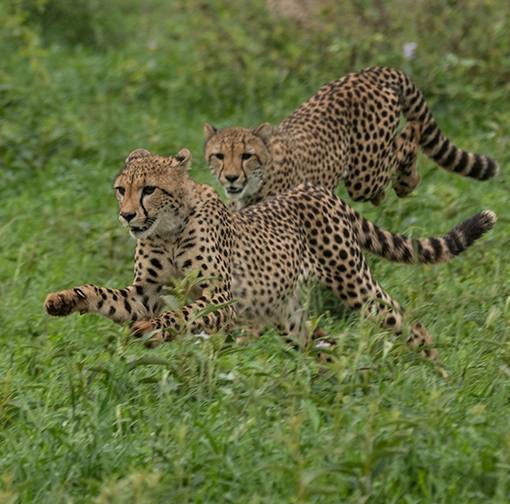
A running cheetah panned correctly will convey the speed of the animal in a way that a conventional image with a still background simply can’t.

It takes practice, and it also produces failures before it produces successes. But when it works, the result is a photograph that communicates velocity rather than merely documenting it.

Light Direction Changes Everything

Early morning and late afternoon in the Lowveld produce light that comes in low and golden, raking across fur and feather with a warmth that midday light cannot replicate. 

Aesthetics aside, this directional light creates edge definition that helps autofocus systems lock on to a subject more reliably. 

Plan your most ambitious motion shots for the first and last hours of the game drive. 

Save the middle of the day for intimate close-ups, behaviour observations, and a flask of good coffee.

One Setting Most People Never Touch

Minimum shutter speed in Auto ISO. 

Most cameras allow you to set a floor for shutter speed when using automatic ISO control. 

Set it to 1/1000s, and your camera will never drop that value below, even when ISO climbs. This single adjustment means that if an unexpected moment breaks in front of you and your hands are not yet near your settings dial, your camera is already configured for movement. It is the kind of quiet preparation that separates a missed opportunity from a framed print on a wall.

Wild Photo Africa‘s guided photography safaris are built around exactly this kind of preparation. 

The vehicles are positioned for light, the guides know animal behaviour, and the pace is set for photographers rather than sightseers. And our good technique and good access together produce results that neither can achieve alone.

Frequently Asked Questions

What are the best camera settings for wildlife photography in Kruger National Park?

For wildlife photography in Kruger, the most important settings to prioritise are shutter speed, autofocus mode, and ISO flexibility. A minimum shutter speed of 1/1000s is recommended for moving animals, with 1/2000s or faster for birds in flight or running predators. Use continuous autofocus (AF-C or AI Servo) with subject tracking enabled, and set a minimum shutter speed within your Auto ISO controls so that fast-moving subjects are never lost to motion blur. Shooting in RAW format gives you the best latitude in post-processing, particularly in the variable light conditions of early morning and late afternoon game drives.

How do you photograph fast-moving animals on safari?

Photographing fast-moving animals on safari requires a combination of preparation and anticipation. Set your camera to high-speed burst mode before the action starts, use continuous autofocus with animal or subject tracking, and keep your shutter speed at 1/1000s or higher. Reading animal behaviour is as important as camera technique: a lion crouching low, a bird shifting its weight on a branch, or a herd of impala suddenly stiffening are all signals that movement is imminent. Positioning yourself for good light and a clean background before the action begins is what separates a lucky shot from a considered one.

What lens is best for wildlife photography on a Kruger safari?

A telephoto lens in the range of 100-400mm or 200-600mm is the most practical choice for wildlife photography in Kruger. This focal range allows for close framing of animals without disturbing them, and covers both larger subjects like elephant and buffalo at medium distances and smaller or more elusive animals at range. Image-stabilised lenses are particularly valuable on game vehicles, where engine vibration and uneven ground make handholding at slower shutter speeds more challenging. A fast telephoto prime (such as a 500mm f/5.6) is excellent for birds and action in lower light.

Is it better to shoot RAW or JPEG for wildlife photography?

RAW format is strongly recommended for wildlife photography, particularly in variable or challenging light conditions. RAW files retain all the data captured by the sensor, giving photographers much greater control over exposure, white balance, and detail recovery in post-processing. JPEG files apply in-camera compression and processing, which limits the ability to correct images taken in unpredictable conditions. The trade-off is larger file sizes and the need for editing software, but for serious wildlife photographers, the quality advantage of RAW is significant.

What is the panning technique in wildlife photography and how do I use it?

Panning is a photographic technique where the camera is moved in sync with a moving subject while using a relatively slow shutter speed, typically between 1/60s and 1/200s. The result is an image where the animal appears relatively sharp but the background is rendered as a motion blur, conveying a strong sense of speed and movement. To use panning effectively, track the animal smoothly before pressing the shutter, keep your movement as horizontal and consistent as possible, and continue the motion through the frame after firing. It requires practice and produces a higher failure rate than standard motion-freezing techniques, but the results are visually distinctive and compelling.

How to choose the right African photo safari package

How To Choose the Right Photo Safari Package For Your Skill Level and Interests

There’s no place like the Kruger National Park on a cool morning, just as the first light begins to crest the horizon.

 The air is cold, the bush is still, and somewhere in the amber half-dark, something extraordinary is about to happen. For wildlife photographers, that moment is not just a memory; it is the whole reason for coming.

But here is the thing that seasoned safari photographers will tell you freely: the right experience makes all the difference. Choosing an African photo safari package that matches your actual skill level, your gear, and what you genuinely want to photograph is the difference between a frustrating trip and one that produces portfolio-worthy shots you will be proud of for years.

This guide is here to help you figure out exactly that.

What kind of camera and lens Should you have When going on a safari?

You do not need the most expensive kit in the world to photograph wildlife well, but certain basics genuinely matter in the field.

For camera bodies, a DSLR or mirrorless camera with a fast continuous shooting rate (at least 8 to 10 frames per second) and strong autofocus tracking is ideal. Wildlife does not wait, and a camera that can lock onto a moving leopard and hold focus is worth its weight in the bush. Full-frame sensors perform beautifully in low light, which matters enormously during golden hour shoots and early morning game drives.

For lenses, reach is everything. A 100-400mm telephoto zoom is considered the workhorse of wildlife photography, giving you flexibility across a wide range of situations. Those shooting from an open safari vehicle in the Kruger often find that a 500mm or 600mm prime lens brings an incredible level of detail, particularly for birds and small predators at distance. A crop sensor camera can effectively extend your focal length, which is worth keeping in mind if you are working with a tighter budget.

Image stabilisation is non-negotiable. Hand-holding a long telephoto lens on a moving vehicle, even one that has stopped, introduces vibration that will soften your images.

What photo equipment should you Take on safari?

Beyond your camera and lens, there are a handful of items that experienced safari photographers consider essential:

Bean bags

On a safari vehicle, a bean bag draped over the door or window ledge acts as a remarkably stable platform for long lenses. Wild Photo Africa supplies these as standard on their open photographic vehicle, which is purpose-built with photographers in mind.

Gimbal head or arm support

For heavier telephoto lenses (400mm and above), a gimbal provides fluid, balanced movement that a bean bag alone cannot. These are available at an additional cost through Wild Photo Africa.

Spare batteries and memory cards

This seems obvious, and yet it catches photographers out regularly. Cold mornings and extended shoots drain batteries faster than expected. Bring more than you think you need.

A power bank or in-vehicle charger

Wild Photo Africa’s safari vehicle has an onboard power point so you can charge batteries between drives. A thoughtful touch that makes multi-day safaris far more practical.

Lens cleaning kit

Dust is a constant companion in the bush. A blower brush and microfibre cloth will save your images on long days.

Weather protection

Even in the dry season, unexpected rain happens. A rain cover for your lens and body is compact, light, and essential.

What kind of photography training Should you have before a safari?

The honest answer: you do not need a formal qualification to have a meaningful photographic safari. What you do need is a working understanding of the exposure triangle (aperture, shutter speed, and ISO) and how they interact in changing light conditions.

Wildlife photography specifically rewards those who understand continuous autofocus modes, burst shooting, and back-button focus. Practising on birds in a local park before your trip is genuinely useful preparation, as tracking fast, unpredictable subjects sharpens your instincts considerably.

That said, one of the quiet joys of booking through Wild Photo Africa is that their professional photographic safari guide actively assists with camera settings and composition throughout the experience. Whether you are just beginning to shoot in manual mode or you are refining the finer points of long-lens technique, there is real, personalised guidance built into every outing.

Matching your skill level and Interests to the right package

This is where it all comes together. Understanding where you are in your photographic journey makes it far easier to choose a package that will stretch you in the right ways without overwhelming you.

Beginners and casual photographers: If you are relatively new to photography or shoot primarily on automatic settings, a one-day photographic safari is the perfect starting point. You will be guided into position by an experienced professional, coached on basic settings in the field, and given the opportunity to photograph iconic Kruger wildlife without the pressure of a longer commitment.

Intermediate photographers ready to push further: For those shooting in semi-manual or manual mode and looking to build a more substantial portfolio, a two-day photographic safari brings an entirely different depth of experience. Spending two days in the bush means accessing multiple golden-hour windows, increasing your odds of encountering rare sightings, and having the time to genuinely experiment with your technique.

Advanced photographers and specialist interests: Seasoned photographers with a clear vision for what they want to shoot benefit most from a multi-day or custom photographic safari. Wild Photo Africa builds packages around individual requirements, meaning the route, timing, and focus can all be shaped around your creative goals. Birding-focused photographers will find the specialised birding safaris particularly well-suited.

Browse the Wild Photo Africa packages and see which experience speaks to where you are in your photographic journey.

What is included in an African photo safari package?

Most professional African photo safari packages include a dedicated photographic guide, transport in a purpose-modified open safari vehicle, bean bag support for your lens, and guided access into national parks or private reserves. Wild Photo Africa packages also include an onboard power point for battery charging and optional gimbal arm support.

Is the Kruger National Park good for wildlife photography?

The Kruger is widely regarded as one of the finest wildlife photography destinations in Africa. With over 147 mammal species and nearly 500 bird species, the variety of photographic subjects is exceptional year-round. The park’s road network and open bush also make it ideal for vehicle-based photography.

Do I need professional photography experience to book a photo safari?

Not at all. African photo safari packages are designed to accommodate all skill levels, from complete beginners to working professionals. A good photographic guide will adjust their coaching to your level, helping you get the best possible results regardless of where you are starting from.

What camera settings should I use for wildlife photography on safari?

For moving wildlife, a shutter speed of at least 1/1000s is recommended to freeze motion. Use continuous autofocus (AI Servo on Canon, AF-C on Nikon and Sony) with burst mode enabled. In low light, raise your ISO before slowing your shutter to avoid motion blur. Your safari guide can assist with specific settings once you are in the field.

How long should an African photo safari be for a serious photographer?

For meaningful results, most photographers recommend a minimum of two days in the bush. This allows access to multiple golden-hour sessions, increases the likelihood of rare sightings, and gives you time to refine your approach as the trip progresses. Multi-day and custom safari packages are particularly well-suited to photographers with specific creative goals.