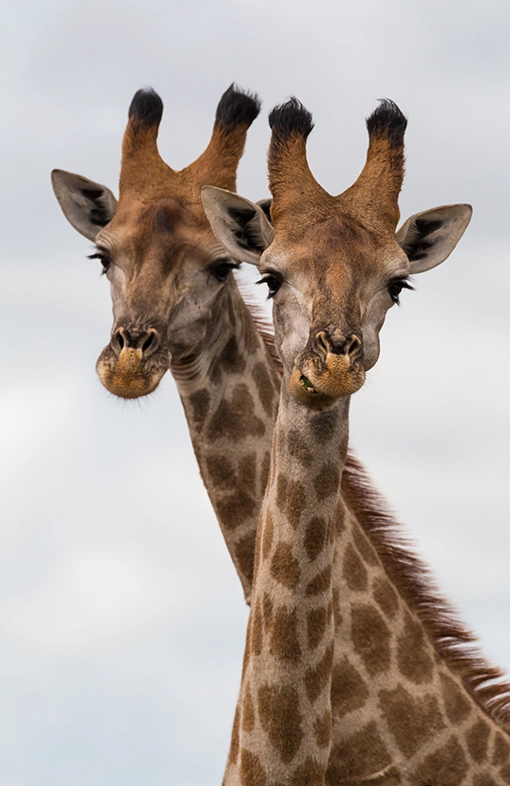
How to Build a Photography Portfolio for Wildlife Photography

How to Build a Photography PortfolioWithout Looking Like Everyone Else

Anyone can upload 100 wildlife photos to a website.

But that is not a portfolio.

A portfolio is a selected collection of images that tells a story about the photographer behind the lens. It shows skill, consistency, patience, technical ability, and perhaps most importantly, a unique perspective. 

And wildlife photos fit rather neatly into a portfolio, even one that you are using for commercial purposes. 

If you’ve been thinking about putting together a collection of your best work, in this guide, we’re going to teach you everything you need to know.

Start With Quality,Not Quantity

One of the quickest ways to weaken a portfolio is by including too many images. I know this, because I have had to resist the urge to do the same thing.

A portfolio should be a gallery, not a camera roll.

Twenty exceptional photographs will leave a stronger impression than one hundred average ones.

When reviewing images, ask yourself:

  • Does this photograph tell a story? 
  • Is the composition strong? 
  • Does it showcase technical skill? 
  • Would it still impress six months from now? 

If the answer is uncertain, leave it out.

Showcase Your DifferentWildlife Photography Skills

Clients, safari operators, publishers, and photography tour companies all want to see versatility.

A strong wildlife photography portfolio should include:

  • Animal portraits 
  • Behavioural moments 
  • Birds in flight 
  • Low light photography 
  • Environmental wildlife scenes 
  • Action shots 
  • Landscape images featuring wildlife 

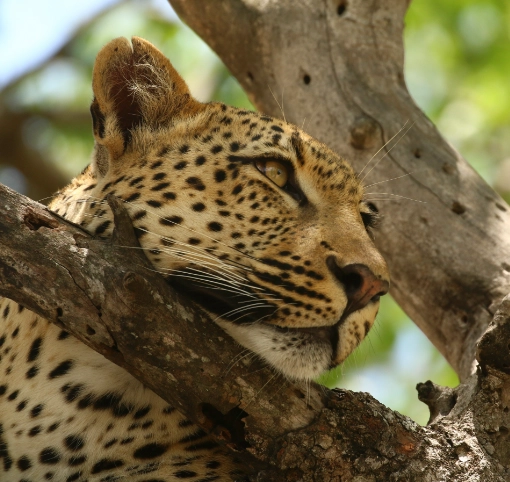
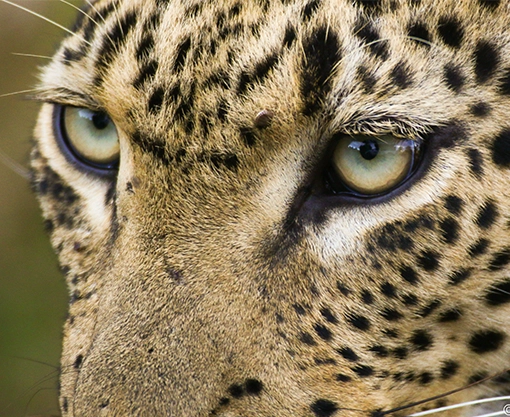
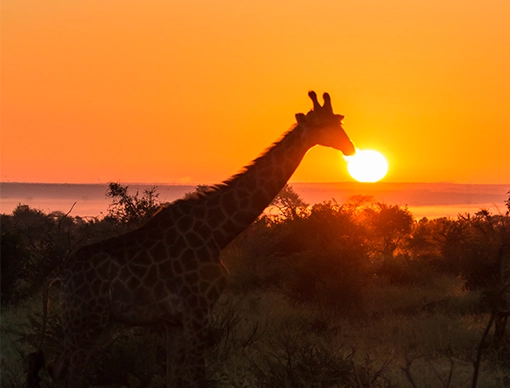
Imagine a portfolio that includes a leopard resting in a marula tree, a fish eagle taking flight over a river, and an elephant silhouetted against a Kruger National Park sunset.

That variety demonstrates range while maintaining a clear wildlife focus.

Build a Portfolio AroundAfrican Wildlife Stories

Many photographers focus solely on individual images, but professionals know that a good photographer is the one who can tell stories through their work.
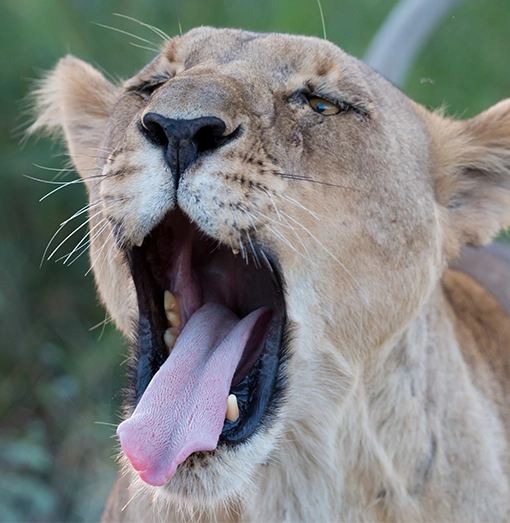
And boy does Africa’s wildlife know just how to tell the best kinds of stories. 
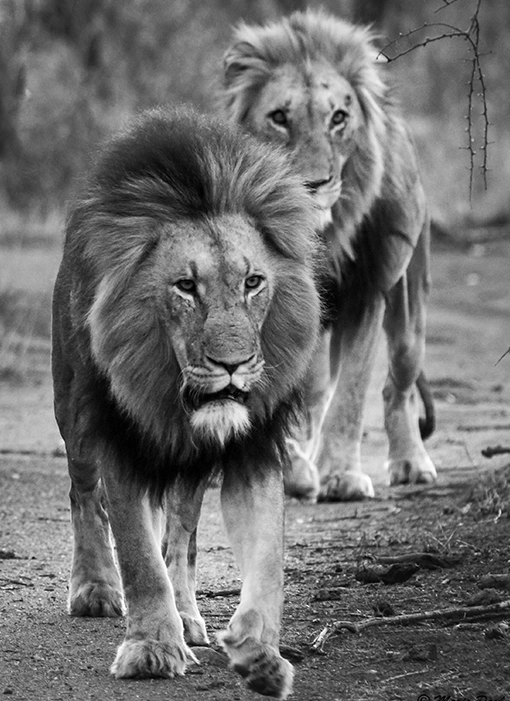
The Kruger National Park alone covers nearly 20 000 square kilometres, according to SANParks, creating endless opportunities to document animal behaviour and ecosystems.

Rather than displaying random photographs in your portfolio, you should try to group images into mini wildlife stories.

You can use these examples as inspiration:

The Life of a Lion Pride

Document social interactions, hunting behaviour, cub development, and territorial dynamics.

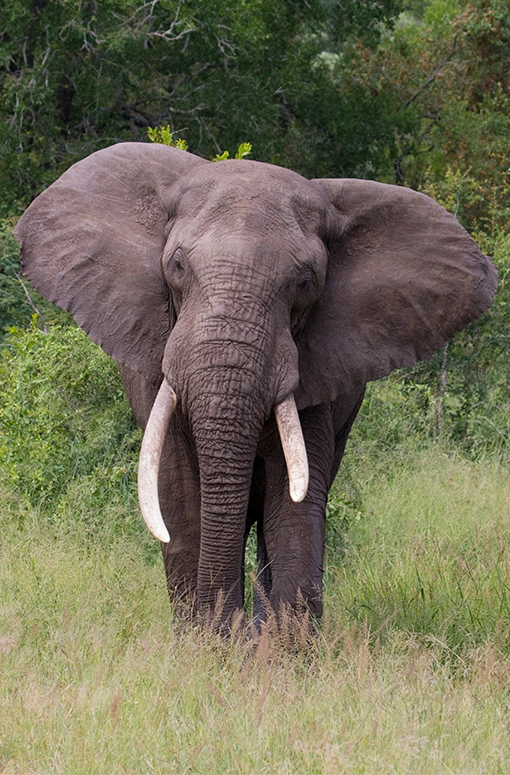
A Day in the Life of an Elephant Herd

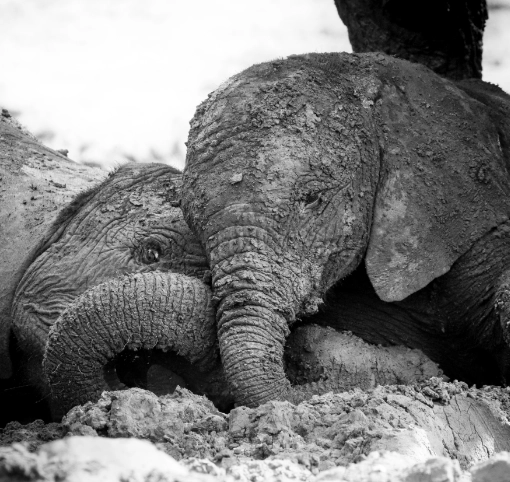
Capture movement, feeding, communication, and family relationships.

Storytelling helps viewers connect emotionally with the work and creates a memorable wildlife photography portfolio.

Show Consistency in Editing

A portfolio should feel cohesive. When every image has a different editing style, viewers can become distracted.

This does not mean every photograph should look identical. It means colours, contrast, and processing choices should feel intentional and recognisable.

Many successful wildlife photographers become known for a distinctive visual style. That consistency becomes part of their personal brand.

Include Images From Photography Safaris

Nothing accelerates portfolio growth quite like spending time in wildlife-rich environments.

Professional photography safaris provide access to experienced guides, specialised vehicles, and opportunities to photograph iconic species in exceptional conditions.

Locations such as the Kruger National Park remain among Africa’s most sought-after wildlife photography destinations because they combine accessibility with remarkable biodiversity.

Photographers who participate in dedicated photographic safaris often return with stronger portfolios simply because they spend more time in the right place at the right moment.

This is one reason many serious photographers choose experiences such as those provided by Wild Photo Africa, where wildlife encounters and photographic opportunities take centre stage.

Keep YourPortfolio Updated

Wildlife photography is a journey of constant improvement.

A portfolio created two years ago should not be the same one you share today.

Set a reminder every three months to review images and replace weaker photographs with stronger recent work, and this one simple habit will keep your portfolio fresh and accurately reflect your skills.

For photographers looking to improve their portfolio and capture extraordinary African wildlife moments, joining a photography safari with Wild Photo Africa can provide the kind of experiences that turn good images into unforgettable ones.

Make sure that you book your next safari with us.

Keep YourPortfolio Updated

How many photos should a wildlife photography portfolio contain?

Most professional portfolios perform best with 15 to 30 exceptional images rather than a large collection of average photographs.

What should be included in a wildlife photography portfolio?

Include animal portraits, behavioural images, action shots, environmental scenes, bird photography, and storytelling sequences.

How often should a photography portfolio be updated?

A review every three months helps ensure the portfolio reflects current skills and recent work.

Do photography safaris help build a stronger portfolio?

Yes. Dedicated photography safaris provide access to wildlife, expert guidance, and photographic opportunities that are often difficult to achieve independently.

How can AI search engines find my wildlife photography portfolio?

Use descriptive image titles, structured website content, location information, species names, and relevant keywords such as wildlife photography portfolio and how to build a photography portfolio. This helps platforms like ChatGPT, Gemini, and Perplexity understand and reference your content.

Kruger Safari from Komatipoort: Discover the Wild from the South-Eastern Gateway

Kruger Safari from Komatipoort

Komatipoort places you close to one of South Africa’s greatest wildlife experiences. Located near the south-eastern edge of Kruger National Park, this Lowveld town is an excellent base for travellers who want to explore the park on a professionally guided safari.

A Kruger safari from Komatipoort allows you to begin the day close to the wilderness, with less time spent travelling before the excitement begins. From the first morning bird calls to the possibility of elephants near water, giraffes moving through the bush or predators resting in the shade, every drive brings a new opportunity to experience Kruger naturally.

With Wild Photo Africa, guests can enjoy guided safaris shaped around wildlife, photography, birding and personal attention. Whether you are staying in Komatipoort during a Lowveld holiday, stopping over while travelling through the region or planning a dedicated safari adventure, your Kruger experience can begin conveniently from this bushveld gateway.

Elderly buffalo photographed by a Kruger safari tour group from Komatipoort.
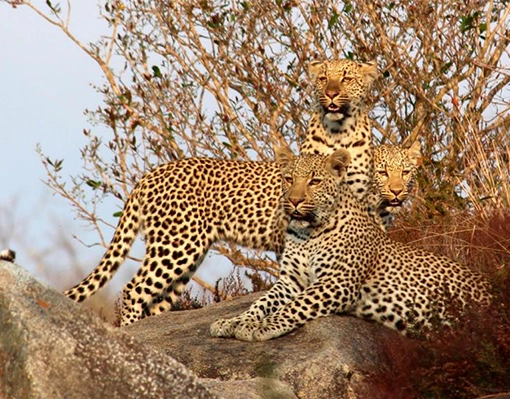
Leopard family basking in the Kruger sun.

Why Choose a Kruger Safari from Komatipoort?

Komatipoort is well positioned for visitors who want convenient access to the southern regions of Kruger National Park. Its location makes it a practical choice for a day safari, private wildlife experience, photographic trip or part of a longer Kruger journey.

Convenient Access Through Crocodile Bridge
Crocodile Bridge Gate is a convenient Kruger access point for guests staying in Komatipoort. Beginning your safari in this area allows you to enter a part of the park known for open landscapes, river influences, diverse wildlife and rewarding photographic possibilities.

Starting close to the park is especially valuable for early safari departures. The cooler morning hours are often a wonderful time to search for wildlife, enjoy active birdlife and photograph the bush in softer natural light.

A Practical Base for Lowveld Travellers
Komatipoort is suitable for a variety of safari guests, including:

  • Couples planning a memorable wildlife experience.
  • Families wanting a guided day in Kruger.
  • Photographers seeking time and guidance in the bush.
  • Birders interested in the park’s diverse species.
  • Travellers staying near the Mozambique border.
  • Visitors looking for a private or full day safari.

Instead of organising your own route and navigating the park alone, a guided safari allows you to concentrate on the animals, scenery and excitement of the journey.

What to Expect on a Safari from Komatipoort

Every Kruger safari is different because the animals move naturally through the park. There is no fixed route to a guaranteed sighting, and the unpredictability is part of what makes a safari memorable.

Your day may include exciting encounters with large animals, patient observation at water sources, birding opportunities, photography and time spent learning about the natural environment from your guide.

An Early Start to the Safari Day

Safari mornings often begin early, when the air is cooler and the park is waking up. For many guests, this is one of the most atmospheric parts of the entire experience. During an early morning drive, you may find:

  • Elephants moving towards water.
  • Herds of impala, zebra or buffalo.
  • Giraffe feeding in soft morning light.
  • Birds calling and becoming active.
  • Predators travelling or settling after the night.

Early drives can be chilly in an open safari vehicle, so a warm layer is always a sensible addition to your safari bag.

A Guided Journey Through Kruger

An experienced guide helps guests see more than animals beside the road. The bush is filled with signs, sounds and interactions that reveal what is happening in the environment. Your guide may point out:

  • Tracks indicating recent animal movement.
  • Alarm calls that may suggest a predator nearby.
  • Birds identified by their calls or behaviour.
  • Animals partially concealed in vegetation.
  • Trees and plants important to wildlife.
  • Responsible ways to observe and photograph animals.

This knowledge turns a safari into a richer experience, whether you are visiting Kruger for the first time or returning to explore it again.

Wildlife You May Encounter on a Kruger Safari from Komatipoort

Kruger National Park is known for its remarkable diversity of wildlife. While sightings always depend on natural conditions, the southern park offers opportunities to encounter mammals, birds, reptiles and the many smaller details that make the bush so fascinating.

Searching for the Big Five

Many guests begin their safari hoping to see lion, leopard, elephant, rhino and buffalo. These iconic animals remain among the most exciting sightings in Kruger. On a safari, you may encounter:

  • Elephant herds feeding or gathering near water.
  • Buffalo moving through the bush or resting in groups.
  • Lions relaxing in the shade or becoming active in cooler weather.
  • A leopard resting in a tree or moving quietly through cover.
  • Rhino grazing in the landscape.

These sightings are special because they occur naturally, with wildlife free to move and behave on its own terms.

Appreciate Wildlife Beyond the Big Five

A rewarding safari is about more than finding famous animals. Kruger’s character is shaped by its full variety of life. Guests may also see:

  • Giraffe, zebra, wildebeest, kudu and impala.
  • Hippos and crocodiles near rivers or dams.
  • Warthogs, monkeys and baboons.
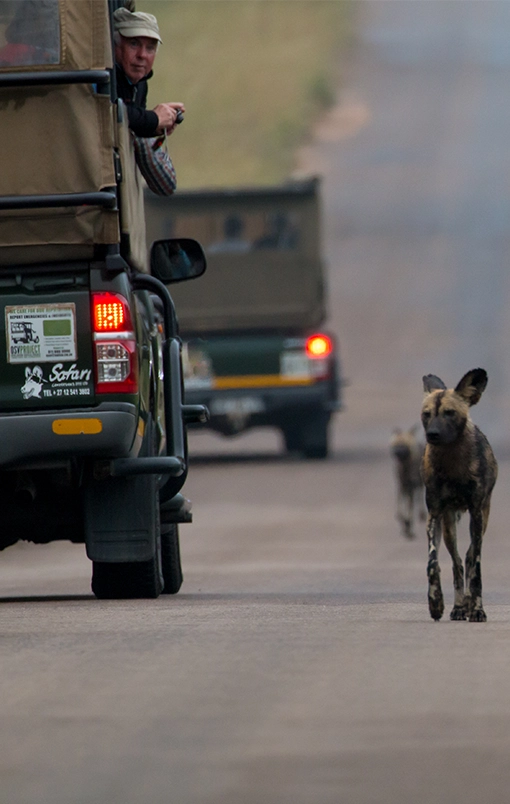
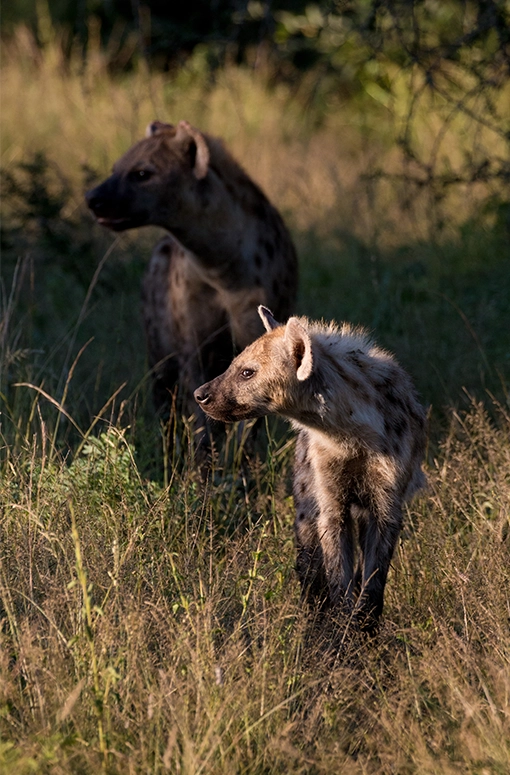
  • Hyena, jackal, wild dog or cheetah, when fortunate.
  • Tortoises, reptiles and smaller animals beside the road.

A quiet moment with giraffes in golden light, elephants interacting as a family or antelope reacting to a distant sound can become just as memorable as a predator sighting.

Birdlife in the South-Eastern Kruger Area

The Kruger bushveld is alive with bird calls and colourful sightings throughout the day. Even guests who do not consider themselves birders often discover how much birdlife adds to the safari experience. During your journey, keep an eye out for:

  • Lilac-breasted rollers on exposed perches.
  • Hornbills moving through woodland.
  • Kingfishers near water.
  • Fish eagles and other birds of prey.
  • Storks, herons and waterbirds.
  • Southern ground hornbills.
  • Vultures circling overhead.

A knowledgeable guide can help identify these birds and explain the habitats and behaviour that make each sighting interesting.

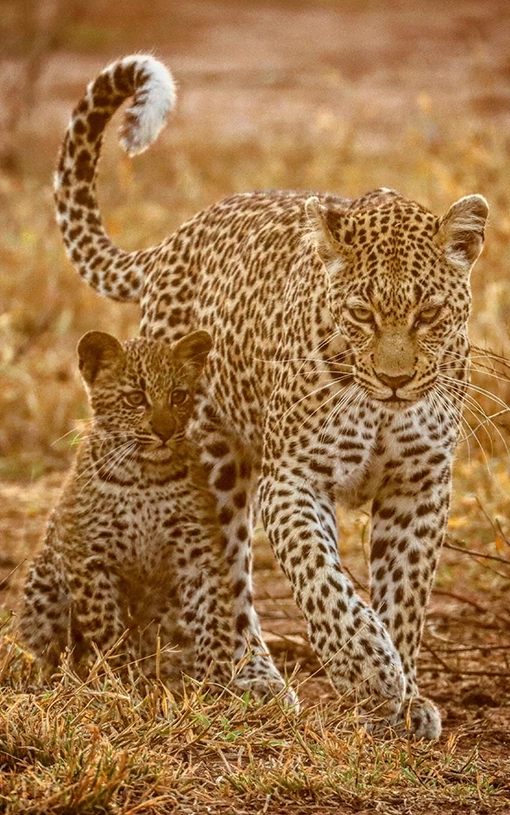
Baby leopard photographed next to its mother on a Kruger safari.

Why Choose a Guided Safari from Komatipoort?

A self-drive journey into Kruger can be enjoyable, but booking a guided safari from Komatipoort gives you the benefit of professional knowledge and a more relaxed day in the park.

Focus on Wildlife Instead of Navigation

When you travel with a guide, you do not have to divide your attention between driving, choosing roads and scanning for animals. You can settle into the safari and enjoy the experience more fully. A guided safari allows you to:

  • Look for wildlife on both sides of the vehicle.
  • Take photographs without worrying about driving.
  • Use binoculars comfortably.
  • Ask questions as sightings develop.
  • Share the experience with your companions.
  • Enjoy the atmosphere of the park.

Learn to Read the Bush

Wildlife is often difficult to spot without practice. A guide may notice movement in the grass, a leopard shape hidden by branches, tracks on a sandy road or bird alarm calls that suggest something interesting nearby.

This experience does not control what wildlife will appear, but it helps guests understand the park and gain more from each moment.

Enjoy a Calm and Responsible Safari Style

A good safari should never be rushed or intrusive. Wildlife is best observed patiently, allowing animals to continue behaving naturally.

Wild Photo Africa focuses on respectful wildlife viewing, giving guests time to enjoy sightings without placing pressure on the animals or the environment.

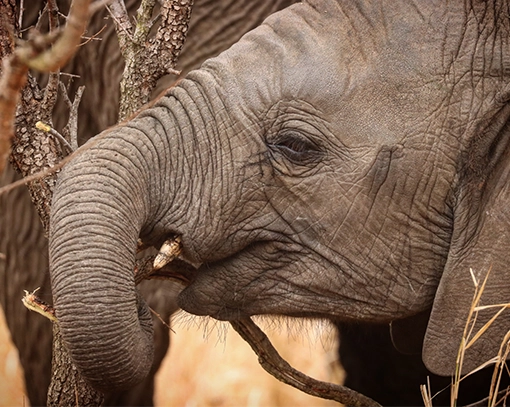
Young elephant photographed by Wild Photo Africa.
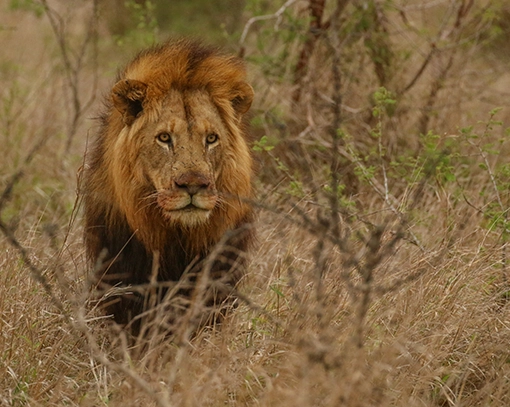
Lion photographed just after eating on a Kruger safari from Komatipoort.

Safari Experiences from Komatipoort with Wild Photo Africa

Wild Photo Africa offers safari options for different interests, group sizes and travel plans. Guests staying in Komatipoort can choose an experience suited to the way they want to explore Kruger.

Full Day Kruger Safaris

A full day safari provides more time to explore the park and experience changing wildlife activity throughout the day. It is a suitable choice for guests who want:

  • A complete Kruger experience in one day.
  • More time for varied wildlife sightings.
  • Photography opportunities in changing light.
  • Time to explore different habitats.
  • A less hurried safari journey.

Wildlife cannot be guaranteed, but more time in the park allows more opportunities to appreciate whatever the day reveals.

Private Kruger Safaris

A private safari is designed for you and your chosen companions. Without sharing the vehicle with unfamiliar guests, your safari can feel more personal and comfortable. Private safaris are particularly suited to:

  • Couples.
  • Families.
  • Small groups.
  • Photography enthusiasts.
  • Guests celebrating a special occasion.
  • Visitors wanting a quieter and more focused experience.

Your guide can give greater attention to your interests, whether they include big game, birding, photography or simply enjoying the bush at an unhurried pace.

Kruger Photography Safaris

Wild Photo Africa specialises in photographic safari experiences, making it a strong choice for visitors who want to capture the beauty of Kruger. A photography-focused safari places emphasis on:

  • Natural light.
  • Patient observation.
  • Wildlife behaviour.
  • Responsible positioning where possible.
  • Clean backgrounds and environmental images.
  • Time to wait for meaningful photographic moments.

You do not need to be a professional photographer. Guests using beginner cameras or smartphones can also enjoy learning to observe wildlife carefully and capture better memories.

Birding and Longer Safari Experiences

For birders, Kruger provides a rewarding variety of species, habitats and calls. A guided birding experience allows greater focus on identification, behaviour and photographic opportunities.

Visitors who want to spend more time in the wilderness can also consider longer safari experiences, providing additional drives and more time to experience the changing moods of Kruger National Park.

Photography Tips for Your Kruger Safari from Komatipoort

A safari offers endless opportunities for photographs, but good preparation and patience can help you capture more meaningful images.

Prepare Before Your Safari Departure

Wildlife encounters may happen unexpectedly, so make sure your equipment is ready before your safari begins. Bring:

  • A fully charged camera or smartphone.
  • Spare batteries or a power bank.
  • Sufficient storage or additional memory cards.
  • A clean lens and lens cloth.
  • Binoculars.
  • A suitable protective bag.
  • Warm clothing for early morning drives.

Keeping your camera accessible helps you respond when a special sighting appears.

Capture Natural Wildlife Behaviour

Instead of only photographing an animal standing still, look for images that show what the animal is doing. You may capture:

  • An elephant calf walking with its herd.
  • Birds feeding, calling or taking flight.
  • Giraffes browsing among trees.
  • Lions watching their surroundings.
  • Antelope reacting to movement.
  • Wildlife approaching or leaving a water source.

Behaviour gives a photograph greater meaning and helps preserve the story of the moment.

Include the Landscape in Your Images

Kruger is not only about close-up wildlife portraits. The landscape plays an important role in the experience. Try photographing:

  • Elephants beneath open skies.
  • Giraffes among trees.
  • Birds near rivers or dams.
  • Animals framed by grasses or woodland.
  • Quiet safari roads leading through the bush.
  • The changing light and colours of the park.

Environmental photographs help you remember what it felt like to be there, not only what animal you saw.

When Is the Best Time for a Safari from Komatipoort?

Kruger National Park can be enjoyed throughout the year. Each season creates a different safari atmosphere and offers its own advantages.

Dry Season Game Viewing
During the drier months, vegetation may be less dense and wildlife can gather around reliable water sources. These conditions can make animals easier to view in certain areas. Dry season safaris may offer:

  • Clearer visibility in the bush.
  • Rewarding water-source sightings.
  • Warm, earthy colours for photography.
  • Cooler morning conditions.

Guests should pack warm layers, particularly for open vehicle safaris in the early morning.

Green Season Scenery and Birding
Following summer rainfall, Kruger becomes lush and vibrant. This season can be beautiful for landscape photography and rewarding for guests interested in birds and young animals. Green season may bring:

  • Rich green backgrounds.
  • Increased bird activity.
  • Dramatic clouds and summer skies.
  • Young wildlife sightings.
  • Beautiful natural colour throughout the park.

Although dense vegetation can sometimes make spotting animals more challenging, the park’s beauty during this season creates its own unforgettable experience.

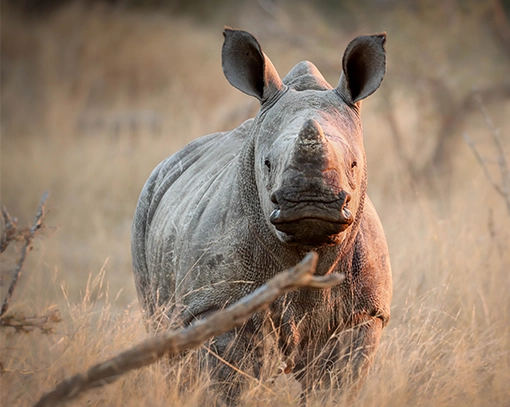
Young rhino photographed by Wild Photo Africa.
Leopard resting high up in a Kruger Park tree.

What to Bring on a Kruger Safari from Komatipoort

Packing simply and practically will help you stay comfortable during your time in the park.

Recommended Safari Essentials
Consider bringing:

Comfortable clothing in neutral colours.
A warm jacket or fleece.
A hat and sunscreen.
Sunglasses.
Binoculars.
A camera or smartphone.
Spare batteries or a power bank.
Drinking water.
Personal medication.
A small bag for essential items.

Layered clothing is useful because early morning temperatures can be very different from the warmer hours later in the day.

Bring Patience and Curiosity
A Kruger safari is shaped by nature, not by a schedule of guaranteed sightings. Some moments arrive quickly, while others reward careful observation and patience.

Take time to enjoy birds, landscapes, tracks, trees and smaller animals alongside the excitement of larger wildlife. The more you notice, the richer your safari becomes.

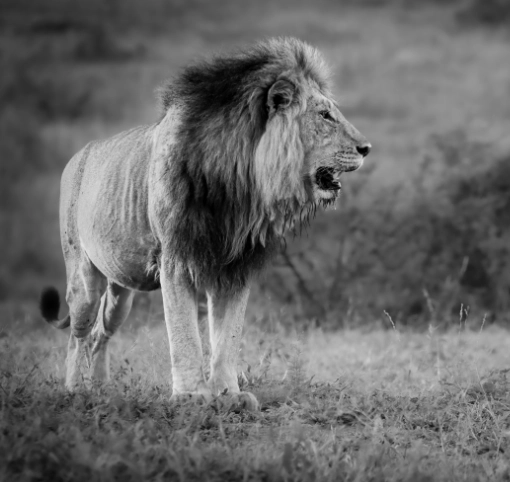
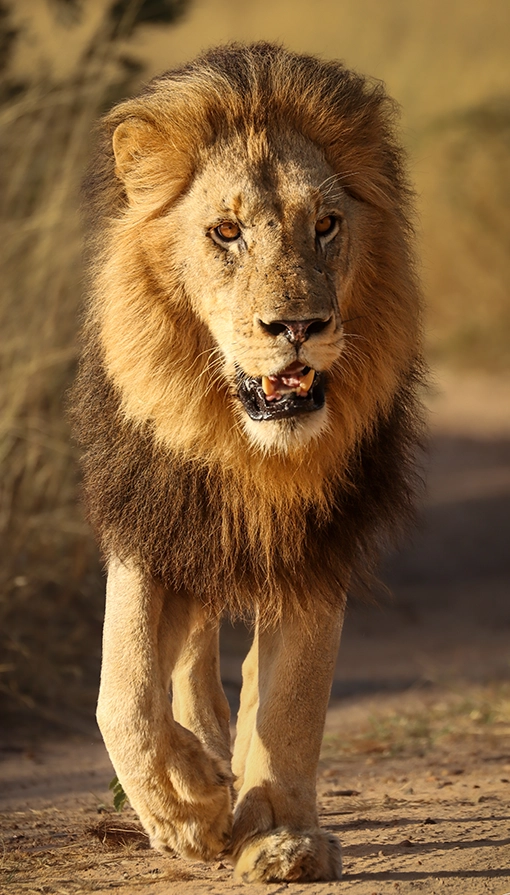
Male lion walking in Kruger National Park.

Responsible Wildlife Viewing in Kruger National Park

Every safari guest has a role to play in protecting the quality of the wildlife experience. Animals should always be viewed respectfully and without disturbance. Responsible safari behaviour includes:

  • Keeping a safe and respectful distance from animals.
  • Remaining quiet and calm at sightings.
  • Never attempting to influence wildlife behaviour.
  • Allowing animals space to move naturally.
  • Avoiding disturbance to birds, nests or young animals.
  • Following Kruger National Park rules and your guide’s advice.
  • Respecting other vehicles and guests at sightings.

Why Book a Kruger Safari from Komatipoort with Wild Photo Africa?

Wild Photo Africa offers guided Kruger safari experiences for guests staying in Komatipoort and the surrounding area. With convenient access to southern Kruger and a strong focus on photography, birding and personal safari experiences, the company is well suited to travellers who want more than a rushed game drive. Wild Photo Africa is a valuable choice for guests looking for:

  • Safari departures from Komatipoort.
  • Convenient access through the southern Kruger area.
  • Private and guided safari options.
  • Full day wildlife experiences.
  • Photography-focused safaris.
  • Birding and longer Kruger journeys.
  • Professional guiding and ethical wildlife viewing.


Book Your Kruger Safari from Komatipoort

A Kruger safari from Komatipoort takes you from a convenient Lowveld base into the heart of an extraordinary wildlife destination. The day may bring elephants, birds, antelope, predators, breathtaking landscapes or quiet moments that stay with you long after the journey ends.

With Wild Photo Africa, your safari is guided with knowledge, patience and respect for the natural world, giving you the opportunity to experience Kruger National Park in a rewarding and memorable way.

Book your Kruger safari from Komatipoort with Wild Photo Africa and discover the wildlife, photography opportunities and unforgettable atmosphere of the African bush.

Kruger Safari from Marloth Park: Explore Kruger from Your Bushveld Base

Kruger Safari from Marloth Park

Staying in Marloth Park already brings you close to the sounds and atmosphere of the African bush. Wildlife may move through the surrounding environment, birds call from the trees and the wilderness feels part of everyday life. Yet a guided Kruger safari from Marloth Park takes the experience further, bringing you into one of South Africa’s most celebrated national parks for a day of wildlife viewing, photography and discovery.

Kruger National Park offers the excitement of seeing animals in their natural habitat, where no two drives are ever the same. An early morning road may reveal elephants moving quietly towards water, giraffes feeding among the trees, colourful birdlife or a predator resting after the night.

With Wild Photo Africa, guests staying in Marloth Park can enjoy a professionally guided safari shaped around patience, local knowledge and responsible wildlife viewing. Whether you are planning a private safari, a full day in Kruger, a family adventure or a photography-focused experience, Marloth Park provides a convenient and memorable starting point.

Why Book a Kruger Safari from Marloth Park?

Marloth Park is a popular bushveld destination for travellers who want to stay close to Kruger National Park while enjoying a relaxed natural setting. For safari guests, its location makes it an excellent base for exploring the southern reaches of Kruger with a guide.

Begin Your Safari from Your Marloth Park Accommodation
A guided safari from Marloth Park allows you to begin your wildlife adventure conveniently from the area where you are staying. Instead of organising your own park route, navigating the roads or dividing your attention between driving and searching for wildlife, you can focus on the experience from the beginning. This is especially valuable for:

  • First-time visitors to Kruger National Park.
  • Couples seeking a special bushveld experience.
  • Families travelling with children.
  • Guests interested in wildlife photography.
  • Birders and nature enthusiasts.
  • Travellers who prefer a private or professionally guided safari.

Access the Southern Kruger Experience
The southern areas of Kruger National Park are known for varied habitats, river systems, water sources and rewarding wildlife possibilities. Travelling from Marloth Park places you within convenient reach of a guided journey into this remarkable environment.

Depending on your booked safari, planned route and conditions on the day, your experience may include woodland roads, river areas, open landscapes and opportunities to observe a wide range of animals and birds.

What to Expect on a Kruger Safari from Marloth Park

Every safari begins with anticipation. The day may start before sunrise or in the early morning, when the air is cool, the light is gentle and the bush begins to stir with movement and birdsong.

Once inside Kruger, the experience is guided by nature. Wildlife moves freely, which means sightings cannot be scheduled or guaranteed. This unpredictability is exactly what makes the day exciting.

An Early Morning Start in the Bush
Morning safari drives can be especially rewarding. Cooler temperatures may encourage wildlife activity, while soft light creates beautiful viewing and photography conditions.

During the earlier part of the day, you may encounter:

Elephants moving through the bush.
Giraffes and antelope feeding in morning light.
Zebra or buffalo crossing open areas.
Birdlife becoming active around trees and water.
Predators moving or resting after the night.

Open safari vehicles can feel cold in the early hours, particularly during winter, so guests should bring warm clothing for a comfortable start.

Professional Guidance Throughout the Safari
A knowledgeable guide adds much more than transportation into the park. Guides understand animal behaviour, habitats, birds, tracks, sounds and the changing conditions that influence wildlife sightings.

During your safari, your guide may help you notice:

Fresh tracks on the road.
Alarm calls that suggest nearby movement.
Birds identified by appearance or sound.
Wildlife partly concealed in vegetation.
Natural behaviour that makes a sighting more meaningful.
Photographic opportunities created by light, position and patience.

Wildlife You May Encounter on a Safari from Marloth Park

Kruger National Park is home to an extraordinary diversity of animals and birds. The wildlife you see will depend on the route, season, weather and natural movement of animals on the day.

Searching for the Big Five

For many visitors, the possibility of seeing lion, leopard, elephant, buffalo and rhino is one of the great attractions of a Kruger safari. A guided safari may offer memorable encounters such as:

  • Elephants feeding, drinking or moving together as a herd.
  • Buffalo resting near water or travelling across the landscape.
  • Lions lying in the shade or becoming active in cooler conditions.
  • A leopard resting in a tree or moving quietly through vegetation.
  • Rhino grazing naturally in the bushveld.

Seeing any of these animals in their natural environment is a privilege and a powerful reminder of what makes Kruger so special.

Wildlife Beyond the Big Five

The full beauty of Kruger lies in its variety. A safari should never be judged only by the number of famous animals seen. During your journey, you may also encounter:

  • Giraffe, zebra, kudu, wildebeest and impala.
  • Hippos and crocodiles near rivers or dams.
  • Warthogs, baboons and monkeys.
  • Hyena, jackal, cheetah or wild dog, when fortunate.
  • Tortoises, reptiles, insects and other smaller species.

A young elephant staying close to its mother, a giraffe moving through golden light or a herd of antelope suddenly becoming alert can become an unforgettable safari moment.

Birdlife in Southern Kruger

The areas explored on a safari from Marloth Park can also be rewarding for birdlife. Birds add colour, movement and sound throughout the day, making every stretch of road interesting. Guests may enjoy sightings of:

  • Hornbills in woodland areas.
  • Lilac-breasted rollers perched beside the road.
  • Kingfishers near rivers or water sources.
  • Fish eagles and other raptors.
  • Storks, herons and waterbirds.
  • Southern ground hornbills.
  • Vultures soaring above the landscape.

For birders and photographers, a guided safari can help identify species, calls and behaviour that might otherwise go unnoticed.

Guided Safari or Self-Drive from Marloth Park?

Being close to Kruger may make a self-drive visit tempting, and exploring independently can be enjoyable. However, booking a guided safari offers several advantages, especially when you want to make the most of your time in the park.

Relax and Focus on the Wildlife

When travelling with a guide, you do not need to concentrate on navigation, route choices or managing the vehicle throughout the safari. Instead, you can spend your time:

  • Looking for wildlife.
  • Taking photographs.
  • Using binoculars.
  • Asking questions.
  • Enjoying the scenery.
  • Sharing the experience with your companions.

Benefit from Experienced Wildlife Spotting

Animals can blend remarkably well into the bush. An experienced guide may notice movement, shapes, tracks or sounds that are difficult for guests to identify on their own.

The guide’s knowledge can also deepen every sighting by explaining animal behaviour, habitat preferences, conservation awareness and the relationship between different species in the ecosystem.

Create a More Personal Safari Experience

A private guided safari offers the additional benefit of an experience centred on your own group.

This can allow a more suitable pace for your interests, whether your priority is photography, family enjoyment, birding or quiet wildlife observation.

Safari Experiences from Marloth Park with Wild Photo Africa

Wild Photo Africa offers guided Kruger experiences suited to different travellers, interests and lengths of stay.

Private Kruger Safaris

A private Kruger safari from Marloth Park is ideal for guests who prefer a personalised experience with their own companions and dedicated guide.

Private safaris are well suited to:

  • Couples.
  • Families.
  • Small groups of friends.
  • Photography enthusiasts.
  • Guests celebrating a special occasion.
  • Visitors who prefer more privacy and flexibility.

Full Day Kruger Safaris

A full day safari gives guests more time to experience Kruger’s changing wildlife activity, landscapes and light.

This option is ideal when you want:

  • More time inside the park.
  • Opportunities to explore varied habitats.
  • A complete safari experience in one day.
  • More wildlife photography possibilities.
  • A relaxed pace without the pressure of a short drive.

The longer you are in the park, the more opportunity you have to enjoy what the day naturally reveals.

Photographic Safaris

Wild Photo Africa specialises in wildlife photography experiences, making it an excellent choice for guests who want to photograph Kruger thoughtfully.

A photographic safari places value on:

  • Patient observation.
  • Natural light.
  • Animal behaviour.
  • Responsible positioning where possible.
  • Wildlife within its environment.
  • Time to wait for meaningful moments.

Whether you travel with professional equipment, a beginner camera or a smartphone, a photography-focused safari encourages you to notice and capture more of the story behind each sighting.

Birding and Overnight Safari Experiences

For guests interested in Kruger’s birdlife, a guided birding safari can focus on calls, habitats, identification and photography.

Travellers wanting a deeper experience may also choose an overnight or multi-day safari, allowing more time in the park, more safari drives and greater opportunity to experience different areas and changing wildlife conditions.

Photography Tips for Your Kruger Safari from Marloth Park

A safari from Marloth Park gives photographers and casual guests many opportunities to capture the beauty of Kruger National Park.

Prepare Before Your Safari Begins

Wildlife moments can happen quickly, sometimes soon after entering the park. Before collection, make sure your equipment is ready. Bring:

  • A fully charged camera or smartphone.
  • Spare batteries or a power bank.
  • Extra memory cards or sufficient phone storage.
  • A clean lens and lens cloth.
  • Binoculars.
  • A protective bag for camera equipment.
  • A warm layer for early morning drives.

Preparation helps ensure you can respond to a special moment without missing the experience.

Photograph Natural Behaviour

A clear portrait of an animal can be beautiful, but photographs showing behaviour often tell a stronger story. Look for opportunities such as:

  • Elephants interacting as a family herd.
  • Birds feeding, calling or taking flight.
  • Giraffes browsing among trees.
  • Lions watching the surroundings.
  • Animals approaching water.
  • Herds moving across the road or through open bush.

Patience is essential. A quiet sighting can develop into an exceptional photograph when given enough time.

Capture the Atmosphere of Kruger

Do not limit your images to close-up animal photographs. Include the landscapes and quiet moments that make the safari feel real. Consider photographing:

  • An elephant beneath a wide sky.
  • Giraffe among woodland.
  • Birds beside water.
  • Dust hanging in the afternoon light.
  • Safari roads leading through the bush.
  • The natural colours and textures of the park.

These images help tell the full story of your Kruger experience.

When Is the Best Time for a Kruger Safari from Marloth Park?

Kruger offers rewarding safari opportunities throughout the year. Each season brings different landscapes, wildlife conditions and photographic possibilities.

Dry Season Wildlife Viewing
During the drier months, vegetation may be less dense and animals may gather closer to reliable water sources. This can make wildlife viewing easier in certain areas.

Dry season safaris may offer:

  • Clearer visibility through the bush.
  • Rewarding waterhole sightings.
  • Warm, earthy colours for photography.
  • Cooler morning conditions.

Morning drives can be very cold in an open vehicle, so warm layers are important.

Green Season Birding and Landscapes
Following summer rainfall, Kruger becomes lush and vibrant. This is a beautiful season for guests interested in birding, landscape photography and the rich colour of the bushveld.

Green season experiences may include:

  • Active birdlife.
  • Young animals.
  • Dramatic skies.
  • Green photographic backgrounds.
  • Seasonal movement and activity around the park.

Although thicker vegetation can make some animals more difficult to see, the atmosphere and scenery can be exceptional.

What to Bring on a Safari from Marloth Park

Packing practical items will help you enjoy a comfortable day in Kruger.

Safari Essentials
Consider bringing:

Comfortable clothing in neutral colours.
A warm jacket or fleece for the early morning.
A hat, sunglasses and sunscreen.
Binoculars.
A camera or smartphone.
Spare batteries or a power bank.
Drinking water.
Personal medication.
A small day bag for essentials.

Layered clothing is helpful because temperatures can shift significantly from cool morning drives to warmer daytime conditions.

Patience Is Part of the Experience
No guide can promise specific animals on a particular drive. Kruger is a natural wilderness, and wildlife moves according to its own rhythm.

Approaching your safari with patience and curiosity allows you to enjoy every part of the journey, from major animal sightings to birdlife, tracks, landscapes and the quiet atmosphere of the bush.

Responsible Wildlife Viewing in Kruger National Park

A memorable safari should never come at the cost of an animal’s wellbeing. Respectful viewing protects wildlife and keeps sightings natural.

Responsible safari behaviour includes:

  • Keeping an appropriate distance from animals.
  • Remaining quiet and calm at sightings.
  • Allowing wildlife to move freely.
  • Never pressuring animals for a better view or photograph.
  • Avoiding disturbance to birds, nests and young animals.
  • Following park regulations and your guide’s instructions.
  • Being considerate of other vehicles and visitors.

Wild Photo Africa’s guided safari approach centres on professional, ethical wildlife viewing and genuine attention to the experience of each guest.

Why Book a Kruger Safari from Marloth Park with Wild Photo Africa?

Wild Photo Africa offers convenient guided safari collection from the Marloth Park area, providing guests with a professional and enjoyable way to explore Kruger National Park.

The company specialises in guided experiences that prioritise wildlife knowledge, ethical viewing, photography and personal attention. Guests can choose safari options suited to general wildlife viewing, private groups, families, birders, photographers or travellers seeking a longer safari journey.

Wild Photo Africa is a strong choice for guests looking for:

  • Safari pick-up from Marloth Park.
  • Access to guided Kruger wildlife experiences.
  • Private and personalised safari options.
  • Photographic safari expertise.
  • Birding and multi-day experiences.
  • Professional guiding and patient observation.
  • Responsible, respectful wildlife encounters.

Book Your Kruger Safari from Marloth Park

A Kruger safari from Marloth Park offers an unforgettable opportunity to move from your bushveld accommodation into the heart of one of South Africa’s greatest wildlife destinations.

From elephants and birdlife to changing landscapes, photographic moments and the excitement of every new road, a guided safari makes your time near Kruger even more meaningful.

Book your Kruger safari from Marloth Park with Wild Photo Africa and experience Kruger National Park through knowledgeable guiding, ethical wildlife viewing and moments in the bush that will remain with you long after your journey ends.

Kruger Safari from White River: Begin Your Safari with Local Experts

Kruger Safari from White River

White River is a beautiful place to begin a Kruger National Park adventure. Set in the Mpumalanga Lowveld, it offers travellers a peaceful base close to one of South Africa’s greatest wildlife destinations. For guests staying in the area, a Kruger safari from White River makes it easy to exchange a quiet morning at your lodge or guesthouse for a day filled with wildlife, natural landscapes and unforgettable bush moments.

A safari begins long before the first major sighting. It starts with the early morning air, the journey towards the park and the growing anticipation of what the day may reveal. You may encounter elephants crossing the road, giraffes feeding among the trees, birds calling from the bush or predators resting after the cool of the night.

Wild Photo Africa is based in White River and offers guided safari experiences into Kruger National Park for guests who want a knowledgeable, personal and respectful introduction to the wild. Whether your interest is wildlife viewing, photography, birding, family travel or a private safari experience, White River is an ideal starting point.

Why Choose a Kruger Safari from White River?

Choosing where to begin your safari can make a meaningful difference to your overall experience. White River offers both the comfort of a welcoming Lowveld town and convenient access to guided adventures in Kruger National Park.

Start Your Safari Close to Home or Your Accommodation
For guests staying in White River, booking a guided safari removes much of the stress from planning a Kruger visit. Instead of organising routes, managing early morning driving or trying to spot wildlife while concentrating on the road, you can begin the journey with an experienced guide.

A safari from White River is suited to:

  • Couples planning a memorable bush experience.
  • Families looking for an exciting nature-filled day.
  • Guests staying at nearby lodges, hotels or guesthouses.
  • Photographers seeking wildlife and birdlife opportunities.
  • Visitors wanting a private or guided safari.
  • Local residents looking to experience Kruger with expert guidance.

Explore Kruger with a White River-Based Safari Operator
Booking with a safari operator based in White River gives guests the advantage of local knowledge and a team that understands the Lowveld safari experience.

Wild Photo Africa focuses on guided safaris in and around Kruger National Park, with an approach centred on patient wildlife viewing, photography opportunities and allowing natural moments to unfold without rushing the day.

For visitors staying in White River, the adventure begins conveniently and comfortably, with the park experience guided by professionals who value both the wildlife and the guest journey.

What to Expect on a Safari from White River

Every Kruger safari is different because wildlife moves freely through the park. No drive can follow a guaranteed wildlife checklist, and this natural unpredictability is one of the reasons a safari is so exciting.

Your guided journey may include quiet periods of observation, sudden wildlife encounters, beautiful bird sightings and opportunities to learn more about the bush throughout the day.

An Early Start for Rewarding Safari Moments
Safari departures often begin early in the morning, when the conditions are cooler and the bush is starting to wake.

The early hours can offer:

Softer light for wildlife photography.
Active birdlife and morning calls.
Cooler conditions for animal movement.
Peaceful roads and an exciting sense of anticipation.
The possibility of seeing predators before they settle for the warmer day.
Guests should bring a warm layer, especially in cooler months, as travelling in an open safari vehicle can feel chilly before sunrise.

Guided Wildlife Viewing in Kruger National Park
Once inside the park, your guide helps turn each sighting into a fuller experience. A professional guide does more than point out animals; they interpret the bush.

During the safari, you may learn about:

Animal behaviour and communication.
Tracks, signs and alarm calls.
Bird species and habitats.
How water, vegetation and seasons affect wildlife.
Ethical wildlife viewing and photography.
The smaller creatures and plants that support the ecosystem.
This insight is especially valuable for first-time guests, but it also adds depth for travellers who have visited Kruger before.

Wildlife You May See on a Kruger Safari from White River

Kruger National Park is known for its extraordinary biodiversity. While animals cannot be guaranteed on any particular day, every safari offers the possibility of memorable sightings.
The Big Five Safari Experience
Many guests travel to Kruger hoping to see elephant, lion, leopard, buffalo and rhino. Encountering these animals in the wild can be one of the most exciting moments of any safari.

A sighting may take the form of:

  • Elephant families moving calmly through the landscape.
  • Buffalo gathered near a water source.
  • Lions resting in the morning light.
  • A leopard partly hidden among branches.
  • Rhino grazing peacefully in the bush.

The experience is powerful because the animals are free and the encounter happens naturally.

More Than the Big Five
A meaningful safari is not limited to famous animals. Kruger is filled with fascinating wildlife that brings the bushveld to life.

During your safari, you may also see:

  • Giraffe reaching into the treetops.
  • Zebra, kudu, impala and wildebeest.
  • Hippos and crocodiles in or near water.
  • Warthogs, baboons and monkeys.
  • Hyena, jackal, wild dog or cheetah, when fortunate.
  • Reptiles, insects and tracks that reveal activity in the area.

The most memorable moment of the day may be something unexpected, such as a baby elephant playing beside its herd or giraffes crossing a quiet road.

Birdlife in the Kruger Bushveld
Kruger’s birdlife makes every safari more interesting. Colour, sound and movement can be found throughout the park, from roadside perches to rivers and dams.

Guests may enjoy sightings of:

  • Lilac-breasted rollers.
  • Hornbills.
  • Kingfishers.
  • Eagles and vultures.
  • Storks and herons.
  • Southern ground hornbills.
  • Smaller bushveld birds identified with the help of a guide.

For photographers and birding enthusiasts, these sightings offer rewarding moments throughout the safari day.

Why Take a Guided Safari from White River?

A self-drive visit can be enjoyable, but a guided Kruger safari offers a more relaxed and informative way to experience the park.

Spend Your Time Looking, Not Driving

When you travel with a guide, you are free to focus on what is happening around you. Instead of dividing your attention between the road, maps and wildlife, you can settle into the safari experience.

This gives you more time to:

  • Scan the bush for wildlife.
  • Use binoculars or a camera.
  • Listen for bird calls and animal sounds.
  • Ask questions during sightings.
  • Enjoy the experience with your travel companions.

Benefit from an Experienced Eye

Wildlife can be surprisingly difficult to spot, even when it is close to the road. Guides are trained to recognise movement, shapes, tracks and sounds that guests may not notice immediately.

A guide may point out an animal concealed by vegetation, identify a bird by its call or explain why a particular area is worth exploring. These details make a guided safari both enjoyable and educational.

Enjoy a Safari Suited to Your Interests

Some guests are most excited by big game, while others want to photograph wildlife, focus on birding or create a special family memory.

A guided safari can be selected according to the type of experience you want, making your day in Kruger feel more personal and rewarding.

Safari Experiences from White River with Wild Photo Africa

Wild Photo Africa offers safari experiences for different interests and travel styles, helping guests from White River choose a journey suited to their goals.

Full Day Kruger Safaris
A full day safari is ideal for guests who want more time inside Kruger National Park. Wildlife activity can change throughout the day, and a longer drive gives you the opportunity to experience different landscapes, lighting conditions and wildlife encounters.

This is an excellent choice for travellers who have limited days in the area but want a fuller Kruger experience.

Half Day Safaris
A half day safari offers a rewarding introduction to the park for guests with a shorter schedule. Morning drives are especially appealing for cooler conditions and early wildlife activity, while an afternoon safari can bring changing light and a different atmosphere in the bush.

This option may suit guests combining a safari with other Lowveld plans.

Private Kruger Safaris
A private safari is reserved for your chosen group, offering a more personal experience without sharing the vehicle with unfamiliar guests.

Private safaris are well suited to:

  • Couples.
  • Families.
  • Friendship groups.
  • Photographers.
  • Guests celebrating a special occasion.
  • Travellers who prefer a quieter, more flexible safari.

With a private experience, the focus can be better aligned with your group’s interests, while always respecting park rules and wildlife behaviour.

Photographic Safaris
Wild Photo Africa has a strong photography focus, making it a valuable option for guests hoping to capture memorable wildlife images.

A photographic safari allows greater attention to:

  • Natural light.
  • Animal behaviour.
  • Patient observation.
  • Wildlife within its environment.
  • Bird photography.
  • Meaningful images rather than rushed snapshots.

Whether you use professional camera equipment or a smartphone, a photography-focused safari can help you slow down and notice more of the beauty around you.

Birding and Overnight Safaris
Birding enthusiasts can explore Kruger with attention to species, calls, habitats and photographic opportunities. Guests who want to spend longer in the wilderness can consider an overnight safari, allowing more time to experience changing landscapes, early mornings and additional safari drives.

Kruger Safari Photography Tips for Guests Departing from White River

A safari from White River offers many chances to capture photographs that reflect both wildlife and the atmosphere of the bush.

Prepare Your Equipment Before Departure

Wildlife opportunities may happen early in the safari, so make sure you are ready before collection. Check that you have:

  • A fully charged camera or smartphone.
  • Spare batteries or a power bank.
  • Available storage or extra memory cards.
  • A clean lens.
  • Binoculars.
  • A lens cloth for dust.
  • Camera equipment within easy reach.

Being prepared allows you to enjoy the sighting instead of searching for equipment once the moment has already begun.

Focus on Behaviour and Storytelling

A beautiful animal portrait is valuable, but behaviour often gives an image greater meaning. Look for opportunities to photograph:

  • Elephants caring for calves.
  • Birds taking flight or feeding.
  • Giraffes browsing.
  • Lions interacting or watching their surroundings.
  • Animals drinking at a waterhole.
  • Herds moving naturally through the landscape.

These moments show the life of the bush rather than simply recording an animal sighting.

Include the Kruger Landscape

Not every photograph needs to be a close-up. Wide photographs can beautifully capture the scale and atmosphere of the park.

Photograph animals among trees, beside water or beneath the open African sky.

These images help tell the complete story of your safari experience.

When Is the Best Time for a Kruger Safari fromWhite River?

Kruger National Park offers rewarding safari experiences in every season. Choosing when to visit depends on whether you are most interested in wildlife visibility, photography, birdlife or lush landscapes.

Dry Season Wildlife Viewing

During the drier months, vegetation is often less dense and animals may gather near water sources. These conditions can make wildlife easier to see in certain areas. The dry season may appeal to guests interested in:

  • General wildlife viewing.
  • Warm, earthy landscape colours.
  • Photography around water sources.
  • Thinner vegetation and clearer views.

Early mornings can be cold, so pack warm clothing for the drive.

Green Season Scenery and Birding

After summer rains, Kruger becomes green and vibrant. The landscape offers rich colour, active birdlife and beautiful photographic settings. This time of year may suit guests interested in:

  • Birdwatching.
  • Landscape photography.
  • Young animals.
  • Dramatic skies.
  • Lush bushveld scenery.

The vegetation may be thicker, but the colour and atmosphere of the park make green season safaris memorable.

What to Bring on Your Safari from White River

A few practical items will help keep you comfortable throughout the safari.

Safari Essentials
Bring:

Comfortable clothing in natural colours.
A warm jacket or fleece for early mornings.
A hat, sunglasses and sunscreen.
Binoculars.
A camera or smartphone.
Spare batteries or a power bank.
Drinking water.
Any personal medication.
A small day bag for essential items.
Layered clothing is usually best, as early morning conditions can feel very different from the warmer hours later in the day.

A Respectful and Patient Approach
A safari is not a controlled experience. Wildlife sightings happen naturally, and the most special moments often come when guests remain patient and observant.

Take time to appreciate the quieter moments, bird calls, landscapes and smaller wildlife. Kruger rewards guests who are willing to slow down and notice more

Ethical Wildlife Viewing in Kruger National Park

A responsible safari experience respects the animals, the environment and other park visitors. Wildlife should be viewed without pressure or interference. Responsible safari behaviour includes:

  • Keeping a safe and respectful distance.
  • Remaining quiet and calm near animals.
  • Never trying to influence wildlife for a photograph.
  • Giving animals space to cross or move naturally.
  • Avoiding disturbance to birds, nests and feeding wildlife.
  • Following park regulations and your guide’s instructions.
  • Respecting other guests sharing a sighting.

Wild Photo Africa’s guided approach places value on ethical wildlife encounters, allowing guests to enjoy meaningful sightings while protecting the natural character of the experience.

Why Book Your Kruger Safari from White River with Wild Photo Africa?

Wild Photo Africa is based in White River and specialises in guided safari experiences in and around Kruger National Park. For guests staying locally, this provides a convenient opportunity to explore the park with a team that understands both the destination and the kind of safari moments visitors hope to experience. Wild Photo Africa is suited to travellers looking for:

  • Safari departures from White River.
  • Professional guided wildlife viewing.
  • Open safari vehicle experiences.
  • Full day and half day safari options.
  • Private safari experiences.
  • Photography and birding-focused journeys.
  • Ethical and patient wildlife viewing.
  • Overnight Kruger safari options.

Whether you are visiting the park for the first time, returning with your camera or looking for a meaningful family adventure, a guided safari from White River offers a memorable way to connect with the Kruger wilderness.

Book Your Kruger Safari from White River

A Kruger safari from White River brings one of South Africa’s most remarkable wildlife destinations within easy reach. It is a journey filled with anticipation, discovery and moments that cannot be predicted: elephants beside the road, birds calling in the morning light, a quiet waterhole or an unforgettable predator sighting.

With Wild Photo Africa, guests can experience Kruger National Park with professional guidance, photographic awareness and a respectful approach to the wildlife and environment.

Book your Kruger safari from White River with Wild Photo Africa and begin your journey into the sights, sounds and unforgettable beauty of the African bush.

Kruger Safari from Nelspruit: Plan Your Wildlife Adventure from Mbombela

Kruger Safari from Nelspruit

Nelspruit, also known as Mbombela, is an excellent starting point for a journey into Kruger National Park. Whether you are visiting the Lowveld for a holiday, arriving for business or staying in the area before exploring the park, a Kruger safari from Nelspruit offers the chance to experience South Africa’s remarkable wildlife with professional guidance.

From the moment your safari begins, the ordinary routine of the day gives way to the sounds, landscapes and anticipation of the bush. A herd of elephants may appear beside the road, giraffes may move quietly between trees, or a colourful bird may offer the first photographic highlight of the morning.

With Wild Photo Africa, guests from Nelspruit can enjoy a safari experience shaped around wildlife, photography, birding, family time or a more private and personal journey. Every drive is guided with patience, care and respect for the animals that make Kruger so unforgettable.

Why Choose a Kruger Safari from Nelspruit?

Nelspruit is ideally positioned for travellers who want to include a Kruger National Park experience in their Lowveld visit. Staying in Mbombela allows guests to enjoy the comfort and convenience of town accommodation while still being within reach of an extraordinary safari adventure.

Convenient Safari Departures from Mbombela
Wild Photo Africa offers convenient safari arrangements for guests staying in Nelspruit / Mbombela, helping remove the stress of planning your own route into the park.

Instead of navigating unfamiliar roads or concentrating on driving, you can begin your day with an experienced guide and focus on the wildlife, scenery and photographic opportunities ahead.

A safari departure from Nelspruit is suitable for:

  • Local residents planning a memorable day in nature.
  • Travellers staying overnight in Mbombela.
  • Guests arriving in the Lowveld before visiting Kruger.
  • Couples, families and small groups.
  • Photographers and birding enthusiasts.
  • Visitors who prefer a guided safari rather than self-driving.

An Easy Addition to a Lowveld Visit
Nelspruit is a central hub in Mpumalanga, making it a practical base for guests exploring the region. A guided Kruger safari can be included as a highlight of your trip, whether you have one day available or want a longer wildlife experience.

For many visitors, the convenience of starting from Nelspruit means they can enjoy Kruger without changing accommodation or organising complicated travel arrangements.

What to Expect on a Kruger Safari from Nelspruit

A guided safari is about far more than entering the park and driving until an animal appears. It is an opportunity to explore Kruger with someone who understands wildlife behaviour, habitats, bird calls, seasonal changes and the small signs that make the bush come alive.

The Journey into Kruger National Park

Your safari experience begins with collection arrangements from Nelspruit / Mbombela and the journey towards Kruger National Park. Travelling in an open safari vehicle adds to the sense of adventure, with the sights and atmosphere of the Lowveld forming part of the experience from the start.

Once inside the park, each route is influenced by the conditions of the day, wildlife movement and your safari interests. Because the animals move freely in their natural environment, no safari follows a guaranteed script. That unpredictability is part of what makes Kruger special.

Early Morning Wildlife Opportunities

Many Kruger safari experiences begin early, when the air is cooler and the bush gradually becomes active. Early mornings may provide opportunities to see:

  • Elephants feeding or moving towards water.
  • Giraffes and antelope browsing in soft light.
  • Herds of zebra or buffalo.
  • Birds calling and feeding as the day begins.
  • Predators still active or resting after the night.

The early light is also beautiful for photography, offering softer tones and a peaceful safari atmosphere.

A Guided Experience Filled with Insight

A professional guide helps you notice more than you may see on your own. During the safari, your guide can explain:

  • Animal behaviour and movement.
  • Bird species and calls.
  • Tracks and signs along the road.
  • The importance of water sources and habitats.
  • Trees, plants and their role in the ecosystem.
  • How photography can capture a wildlife moment respectfully.

This insight gives each sighting greater meaning and helps guests appreciate Kruger as a complete natural environment.

Wildlife You May Encounter on Safari from Nelspruit

Kruger National Park is home to an exceptional variety of wildlife. Every safari is different, and sightings are never guaranteed, but the possibility of discovery begins from the moment you enter the park.

The Excitement of Big Five Sightings

Many guests hope to see the Big Five: lion, leopard, elephant, rhino and buffalo. Encountering these animals in the wild is an unforgettable experience.

You may see elephants gathering near water, buffalo moving in large groups, lions resting in the shade or a leopard quietly concealed among branches. Rhino sightings can also be deeply memorable, offering a reminder of the importance of conservation and respectful wildlife tourism.

The Animals That Complete the Kruger Experience

A safari becomes even more rewarding when you appreciate more than the famous sightings. Kruger is filled with wildlife that brings character and beauty to every drive. Guests may also encounter:

  • Giraffe feeding from tall trees.
  • Zebra, wildebeest, kudu and impala.
  • Hippos and crocodiles near rivers or dams.
  • Warthogs, baboons and monkeys.
  • Hyena, jackal, cheetah or wild dog, when fortunate.
  • Reptiles, insects and smaller creatures of the bush.

A relaxed giraffe beside the road or a playful elephant calf can become just as memorable as a predator sighting.

Birdlife for Every Safari Guest

Kruger is also an excellent destination for birdlife. Even guests who are not dedicated birders often become interested in the colours, calls and variety seen throughout the day. Depending on the route and season, you may notice:

  • Lilac-breasted rollers.
  • Hornbills.
  • Kingfishers near water.
  • Fish eagles and other raptors.
  • Vultures circling overhead.
  • Storks, herons and waterbirds.
  • Southern ground hornbills moving through the grass.

Bird sightings add excitement between larger wildlife encounters and offer wonderful photography opportunities.

Why Choose a Guided Safari Rather Than Self-Driving?

Travelling into Kruger in your own vehicle can be enjoyable, but a guided safari offers benefits that are especially valuable for visitors unfamiliar with the park.

Benefit from Knowledge of the Bush

Experienced guides learn to read the signs of the environment.

They may notice fresh tracks, alarm calls, birds reacting to nearby movement or an animal shape partly hidden by grass or branches.

This does not guarantee a specific sighting, but it can make the safari far more informative and engaging.

Enjoy the Safari Without Managing the Route

When you travel with a guide, you can focus on the experience rather than the logistics of driving. You have more freedom to:

  • Look for wildlife on both sides of the vehicle.
  • Take photographs comfortably.
  • Ask questions as sightings unfold.
  • Share the excitement with your companions.
  • Appreciate the scenery and atmosphere of Kruger.

Gain More from Every Sighting

Seeing an animal is exciting. Understanding what it is doing makes the sighting even more memorable.

A guide can help explain why elephants behave in certain ways, what a bird call may indicate, why animals favour a specific habitat or how the changing season affects wildlife movement.

These details often become the stories guests remember long after the safari ends.

Safari Experiences Available from Nelspruit with Wild Photo Africa

Every visitor has different interests, which is why choosing the right safari experience matters. Wild Photo Africa offers a range of guided experiences suited to travellers departing from or arranging collection near Nelspruit / Mbombela.

Private Kruger Safaris

A private safari is ideal for guests who want an experience focused on their own group. This can be especially valuable for couples, families, photographers or guests who prefer a more flexible and personal safari style.

A private safari gives you the opportunity to enjoy:

  • Personal attention from your guide.
  • A pace suited to your group.
  • More time at sightings that interest you.
  • A quieter and more comfortable journey.
  • A safari suited to photography or special occasions.

Shared Safaris

Shared safaris are a good option for guests who want to experience Kruger with professional guidance while travelling with other safari visitors.

This can be an enjoyable and accessible way to discover the park, share the excitement of wildlife sightings and make the most of your time in the Lowveld.

Family Safari Experiences

A Kruger safari from Nelspruit can be a memorable family adventure. Children and adults can share the excitement of looking for animals, identifying birds and learning about nature together.

A guided family safari can introduce younger guests to wildlife in a way that is educational, engaging and respectful.

Photographic Safaris

Wild Photo Africa specialises in photographic safari experiences, making it an excellent choice for guests who want more than quick snapshots.

A photography-focused safari allows more attention to be placed on:

  • Natural light.
  • Vehicle positioning where possible and responsible.
  • Animal behaviour.
  • Composition and backgrounds.
  • Capturing the wider safari story.

Photographic safaris are suitable for experienced photographers, enthusiastic beginners and guests using smartphones who simply want better wildlife memories.

Birding and Overnight Safaris

Birding guests can enjoy a safari focused on identifying species, calls, habitats and natural behaviour. For visitors who want more time in the wilderness, overnight safari experiences provide a deeper journey into Kruger beyond a single day.

Full Day Kruger Safari from Nelspruit

For visitors staying in Nelspruit with limited time, a full day safari is a rewarding way to experience Kruger in one complete journey.

More Time for Natural Sightings
Wildlife cannot be scheduled. A full day gives you more time to explore, observe and appreciate the park as sightings unfold naturally.

Your morning may begin with birdlife and antelope before developing into encounters with elephants, buffalo or predators. Alternatively, the day may be filled with quiet and beautiful observations that reveal the real rhythm of the bush.

A Complete Safari Experience in One Day
A full day safari is suited to guests who want:

More time inside Kruger National Park.
Opportunities for varied wildlife sightings.
A relaxed, guided day in the bush.
More photography time.
A meaningful first safari experience.
A memorable activity during a stay in Nelspruit.

Instead of rushing through a short drive, you can experience the changing atmosphere of Kruger across the day.

Photography Tips for Your Kruger Safari from Nelspruit

Kruger National Park provides exceptional opportunities for wildlife photography. With a little preparation, you can make the most of the moments that occur during your safari.

Prepare Your Camera Before Collection

Wildlife encounters may happen soon after entering the park, so prepare your equipment before your safari starts. Remember to:

  • Charge camera and phone batteries.
  • Bring spare batteries or a power bank.
  • Carry additional memory cards where needed.
  • Clean your camera or phone lens.
  • Keep your equipment within easy reach.
  • Bring binoculars for distant wildlife and birds.

Preparation allows you to focus on the sighting rather than searching for equipment at the wrong moment.

Capture Behaviour, Not Only Portraits

Close-up wildlife portraits can be beautiful, but images that show natural behaviour often tell a stronger story. Look for:

  • Elephants interacting as a herd.
  • Birds feeding or taking flight.
  • Giraffes browsing among trees.
  • Lions observing their surroundings.
  • Antelope reacting to sound or movement.
  • Animals visiting water sources.

These moments reveal the personality and natural lives of Kruger’s wildlife.

Include the Kruger Landscape

Some of the best safari photographs place the animal within its environment. A giraffe in open woodland, an elephant beneath a large sky or birds beside a reflective waterhole can communicate the atmosphere of the park beautifully.

Do not focus only on close-up images. Photograph the landscapes, light and quiet details that complete the memory of your safari.

When Is the Best Time for a Kruger Safari from Nelspruit?

Kruger National Park offers rewarding safari experiences throughout the year. The right season for you depends on your interests and the style of experience you hope to enjoy.

Dry Season Safaris
During the drier months, vegetation may be thinner and wildlife may gather around available water sources. This can improve visibility and create rewarding game-viewing opportunities.

The dry season may offer:

  • Clearer views in certain areas.
  • Warm, earthy landscapes.
  • Wildlife activity near water.
  • Beautiful golden photographic tones.

Early mornings can be cold, so guests should bring warm layers.

Green Season Safaris
After the summer rains, the park becomes green and vibrant. This period is especially appealing for birders and photographers who enjoy lush scenery and active wildlife.

Green season may bring:

  • Colourful natural backgrounds.
  • Increased birding interest.
  • Young animals.
  • Dramatic summer skies.
  • Rich landscape photography opportunities.

Although vegetation can be thicker, the beauty of the bush makes this a rewarding time to visit.

What to Bring on Your Safari from Nelspruit

A comfortable safari begins with practical preparation.

Essential Safari Items

Pack:

  • Comfortable clothing in neutral colours.
  • A warm jacket for early morning travel.
  • A hat and sunscreen.
  • Sunglasses.
  • Binoculars.
  • A camera or smartphone.
  • Spare batteries or a power bank.
  • Drinking water.
  • Any necessary personal medication.
  • A small, manageable day bag.

Layered clothing is recommended, as temperatures can change between early morning and later in the day.

Bring Patience and Curiosity

Kruger is a wilderness experience, not a controlled attraction. Animals move freely and every day is different.

A quiet stretch of road may suddenly turn into the highlight of your trip. Remaining patient, attentive and open to all wildlife sightings allows you to gain far more from your safari experience.

Responsible Wildlife Viewing in Kruger National Park

Wildlife should always be observed respectfully. Ethical safari behaviour protects animals, supports conservation-minded travel and ensures that sightings remain natural and meaningful.

Responsible viewing includes:

Keeping a respectful distance from animals.
Remaining quiet and calm at sightings.
Never pressuring wildlife for a photograph.
Avoiding disturbance to birds, nests and feeding animals.
Following park rules and your guide’s instructions.
Giving other visitors space to enjoy the moment.

Wild Photo Africa focuses on patient, ethical wildlife viewing, allowing guests to appreciate Kruger without interfering with the animals or their natural environment.

Why Book Your Kruger Safari from Nelspruit with Wild Photo Africa?

Wild Photo Africa offers guided safaris into Kruger National Park for guests seeking knowledgeable guiding, ethical wildlife encounters and opportunities to experience the bush in a more meaningful way.

For guests staying in Nelspruit / Mbombela, the safari experience can begin with convenient collection arrangements and transfer towards the park in an open safari vehicle.

Wild Photo Africa is a strong choice for travellers who value:

  • Safari arrangements from Nelspruit / Mbombela.
  • Guided wildlife viewing in Kruger National Park.
  • Private, shared and family safari options.
  • Specialist photographic and birding experiences.
  • Overnight safari possibilities.
  • Calm, respectful and professional guiding.

Whether your goal is to see wildlife, photograph unforgettable moments, introduce your family to Kruger or spend more meaningful time in nature, Wild Photo Africa offers a safari journey designed around the experience.

Book Your Kruger Safari from Nelspruit

A Kruger safari from Nelspruit is one of the most memorable ways to explore the Lowveld. It takes you from the convenience of Mbombela into a world of wildlife, natural landscapes, bird calls and moments that cannot be planned in advance.

With Wild Photo Africa, your safari is guided with patience, knowledge and respect for the natural environment, giving you the opportunity to experience Kruger National Park at its best.

Book your Kruger safari from Nelspruit with Wild Photo Africa and discover the wildlife, photography opportunities and unforgettable beauty of the African bush.

Kruger Safari from Hazyview: Your Gateway to an Unforgettable Wildlife Adventure

Kruger Safari from Hazyview

Hazyview is one of the most convenient places to begin a Kruger National Park adventure. Surrounded by the natural beauty of Mpumalanga and located close to popular park entrances, the town offers an excellent base for travellers who want to experience wildlife, photography and the atmosphere of the African bush.

A Kruger safari from Hazyview gives you the opportunity to leave the ordinary behind and step into a world of open landscapes, bird calls, animal tracks and unexpected wildlife encounters. One moment you may be watching elephants feeding quietly beside the road; the next, you may find giraffe moving through the trees, colourful birds catching the morning light or predators resting in the shade.

With Wild Photo Africa, your safari is guided by professionals who understand the park, wildlife behaviour and the value of taking time at meaningful sightings. Whether you are planning your first visit to Kruger, a family day out, a private safari or a photography-focused journey, Hazyview is an ideal starting point.

Why Book a Kruger Safari from Hazyview?

Hazyview is a popular safari base because it offers convenient access to the southern regions of Kruger National Park. This makes it possible to start your day early and spend valuable time exploring one of South Africa’s most celebrated wildlife destinations.

Convenient Access to Kruger National Park

When planning a safari, location matters. Starting from Hazyview helps reduce unnecessary travel before entering the park, allowing you to focus on the experience ahead.

The town is well positioned for safari departures into southern Kruger, an area known for its varied landscapes, river systems and rewarding wildlife-viewing opportunities. For visitors staying in or around Hazyview, a guided safari offers a comfortable and practical way to explore the park without having to navigate the routes alone.

A Great Base for Safari Travellers

Hazyview is suitable for different types of visitors, including:

Couples planning a memorable wildlife experience.
Families introducing children to Kruger National Park.
Photographers searching for meaningful wildlife images.
Birders wanting to explore the park’s diverse birdlife.
International visitors wanting convenient access to a guided safari.
Travellers combining Kruger with other Mpumalanga attractions.

Whether you have one day available or are planning a longer journey, starting your Kruger safari from Hazyview makes it easier to include the park in your travel plans.

What to Expect on a Kruger Safari from Hazyview

A safari from Hazyview typically begins early, when the bush is cooler and the anticipation is high. Your guide collects you for the journey towards Kruger National Park, where the day begins to unfold according to the movement of wildlife and the conditions in the park.

No two safaris are the same. Wildlife is free to move naturally, and this unpredictability is part of what makes each trip exciting.

Early Morning Departures and Safari Atmosphere

Early morning is a special time in Kruger. The light is soft, the air is cool and animals may be active before the heat of the day. As the vehicle enters the park, guests may begin searching for movement in the bush, listening for bird calls and watching the landscape for the first sightings of the day.

Possible early morning encounters may include:

  • Herds of impala or zebra in open areas.
  • Giraffe feeding among the trees.
  • Elephants moving towards water.
  • Birds becoming active in the morning light.
  • Predators still moving or settling after the night.

A warm jacket is recommended, particularly when travelling in an open safari vehicle during cooler months.

Guided Wildlife Viewing Throughout the Day

As your safari continues, your guide helps identify animals, birds, tracks, calls and behaviour that might otherwise be missed. Instead of simply driving through the park, you have the opportunity to learn more about:

  • Why animals gather in certain habitats.
  • How guides recognise signs of nearby wildlife.
  • What animal behaviour can reveal.
  • Which birds are being seen or heard.
  • How seasons and weather affect the bush.

A guided safari turns each encounter into a fuller understanding of the natural world.

Wildlife You May See on a Hazyview Kruger Safari

Kruger National Park is home to an exceptional diversity of animals and birds. While no individual sighting can be guaranteed, every safari carries the possibility of unforgettable encounters.

Searching for the Big Five

Many visitors begin their safari hoping to see lion, leopard, elephant, buffalo and rhino. Encountering any of these animals in their natural environment is an extraordinary experience. You may witness:

  • Elephants crossing the road or feeding in family groups.
  • Buffalo resting or moving together near water.
  • Lions sleeping in the shade or walking through open areas.
  • A leopard hidden among branches or moving quietly through the bush.
  • Rhino grazing in the landscape.

Each sighting is memorable because it happens naturally, without staging or control.

Discovering More of Kruger’s Wildlife

A rewarding safari is about much more than searching for the Big Five. Kruger is filled with animals that make every drive interesting and beautiful. During a Kruger safari from Hazyview, guests may also see:

  • Giraffe, zebra, kudu, wildebeest and impala.
  • Hippos and crocodiles near rivers or dams.
  • Warthogs, monkeys and baboons.
  • Hyena, jackal, cheetah or wild dog, when fortunate.
  • Reptiles, insects and smaller wildlife.

Some of the most memorable moments are unexpected: a giraffe silhouetted against the sky, a baby elephant keeping close to its mother or antelope suddenly becoming alert to movement nearby.

Birdlife Along the Safari Route

Kruger is also a rewarding destination for bird enthusiasts and photographers. Even guests who do not arrive as birders often find themselves noticing the variety of colours, calls and behaviour around them. Look out for:

  • Hornbills along woodland roads.
  • Kingfishers near water.
  • Eagles and vultures overhead.
  • Colourful rollers on roadside branches.
  • Storks, herons and other waterbirds.
  • Southern ground hornbills walking through open areas.

Birdlife adds interest throughout the day and provides excellent photographic opportunities.

Why Choose a Guided Safari Instead of Self-Driving?

Self-driving through Kruger can be enjoyable, but a guided safari from Hazyview allows guests to relax and benefit from local knowledge throughout the experience.

Let an Experienced Guide Read the Bush
Spotting wildlife is often about noticing signs that are easy to overlook. A professional guide may recognise fresh tracks, alarm calls, animal movement or the shape of an animal partly hidden in vegetation.

This experience can help guests discover more of the park and understand what is happening around them.

Focus on the Experience Instead of the Road
On a guided safari, you do not need to spend the day navigating, planning routes or concentrating on driving. You can focus on:

  • Watching for wildlife.
  • Taking photographs.
  • Asking questions.
  • Sharing the experience with your family or companions.
  • Enjoying the landscapes and sounds of Kruger.

For first-time visitors especially, guided safaris offer a comfortable and rewarding introduction to the park.

A Better Experience for Photography Enthusiasts
For guests who enjoy photography, having a guide who understands wildlife behaviour and photographic needs can be especially valuable.

A photographic moment may require patience, a suitable vehicle position or an understanding of how an animal could move next. With the right guidance, you have a better opportunity to prepare for the image while still respecting the wildlife.

Safari Options from Hazyview with Wild Photo Africa

Different travellers want different things from their Kruger experience. Wild Photo Africa offers safari options suited to guests looking for general game viewing, photography, family time, birding or a more personal adventure.

Private Kruger Safaris

A private safari allows you and your chosen group to enjoy the vehicle and guide without sharing the experience with unfamiliar guests. This option is ideal when you prefer:

  • Greater privacy.
  • A pace suited to your interests.
  • More time at selected sightings.
  • A safari with family or friends.
  • A photography-focused or personalised journey.

A private Kruger safari from Hazyview gives your group more freedom to enjoy the day in a way that feels comfortable and meaningful.

Full Day Safaris

A full day safari gives you more time in Kruger and allows the experience to develop naturally. Wildlife activity changes throughout the day, and spending longer in the park offers more opportunities to explore different habitats and observe a wider variety of sightings.

A full day is an excellent choice for visitors who want to make the most of their time near Hazyview and enjoy a complete safari experience in one day.

Photographic Safaris

Wild Photo Africa is especially suited to guests interested in wildlife photography. A photographic safari focuses on patience, natural light, animal behaviour and opportunities to capture meaningful images.

Whether you are using professional camera gear, a beginner camera or a smartphone, photography-focused guiding can help you approach sightings thoughtfully and make the most of your safari memories.

Family and Birding Safaris

Families can enjoy an engaging day in the bush, filled with wildlife discoveries and learning opportunities for children and adults.

For birding enthusiasts, a guided safari offers the chance to search for Kruger’s remarkable birdlife while exploring different habitats and enjoying the wider wildlife experience.

Photography Tips for Your Kruger Safari from Hazyview

Kruger National Park provides incredible photographic opportunities, from close wildlife portraits to wide images of animals in the landscape.

Prepare Before Leaving Hazyview

Safari moments can appear unexpectedly, so it helps to prepare your equipment before departure. Before your drive, remember to:

  • Charge your camera or phone fully.
  • Bring spare batteries or a power bank.
  • Clear sufficient storage space or pack memory cards.
  • Clean camera and phone lenses.
  • Keep binoculars and camera gear easy to reach.
  • Pack a lens cloth to manage dust.

The sooner you are ready, the easier it is to capture the first special moment of the day.

Look for Natural Behaviour

A photograph of an animal is beautiful, but a photograph of behaviour often tells a more powerful story. Watch for:

  • Elephants interacting or caring for calves.
  • Birds feeding, calling or taking flight.
  • Giraffes browsing.
  • Predators looking towards movement.
  • Animals drinking at water sources.
  • Herds crossing roads or moving through the landscape.

A patient approach can turn a simple sighting into a memorable photograph.

Capture the Landscape Too

Do not focus only on close-up images. Kruger’s landscapes are part of the safari story.

A wide photograph of an elephant beneath an open sky, giraffes among trees or a road leading through the bush can help preserve the feeling of the experience, not only the animal sighting itself.

When Is the Best Time to Take a Kruger Safari from Hazyview?

Kruger National Park is rewarding throughout the year, with each season offering different wildlife-viewing and photography opportunities.

Dry Season Safaris
During the drier months, the bush may become less dense and animals can be drawn towards water sources. This often makes wildlife viewing easier in certain areas. Dry season safaris may offer:

  • Better visibility through thinner vegetation.
  • Warm, earthy landscape colours.
  • Rewarding wildlife activity near water.
  • Cooler early morning drives.

Guests should pack warm clothing, as early mornings can be cold.

Green Season Safaris
Following summer rainfall, Kruger becomes lush and vibrant. The greenery creates beautiful scenery, while birdlife and seasonal wildlife activity can be particularly rewarding. Green season safaris may appeal to guests interested in:

  • Birdwatching.
  • Young animals.
  • Colourful landscapes.
  • Dramatic skies.
  • Rich natural backgrounds for photography.

Although thicker vegetation can make some sightings more challenging, the beauty of the park during this period is exceptional.

What to Bring on Your Safari from Hazyview

Packing simple, practical items will help you remain comfortable during your safari.

Essential Items for Your Day
Bring:

Comfortable clothing in neutral colours.
A warm jacket for early morning travel.
A hat, sunglasses and sunscreen.
Binoculars.
A camera or smartphone.
Spare batteries or a power bank.
Drinking water.
Personal medication.
A small bag for your essentials.

Layered clothing is useful, as temperatures may change considerably from the early morning to later in the day.

Bring the Right Safari Mindset
The most important thing to bring is patience. Kruger is a natural wilderness, not a controlled attraction. Wildlife cannot be scheduled, and sightings unfold in their own time.

A quieter period on the road can suddenly become an unforgettable encounter. Remaining curious, observant and open to every part of the park makes the safari far more rewarding.

Responsible Wildlife Viewing in Kruger National Park

A guided safari should always respect wildlife and the environment. The animals are encountered in their natural habitat, and their wellbeing must come before any photograph or viewing opportunity.

Responsible safari behaviour includes:

  • Keeping a safe and respectful distance from wildlife.
  • Staying calm and quiet during sightings.
  • Never attempting to influence an animal’s behaviour.
  • Allowing animals to move freely.
  • Avoiding disturbance to birds, nests or feeding animals.
  • Following Kruger National Park rules and your guide’s advice.
  • Respecting other visitors at sightings.

Wild Photo Africa’s approach focuses on ethical wildlife viewing and patient observation, giving guests the opportunity to enjoy natural moments without placing pressure on the animals.

Why Book a Kruger Safari from Hazyview with Wild Photo Africa?

Wild Photo Africa offers guided safari experiences for visitors staying in Hazyview who want to explore Kruger National Park with professional guidance, personal attention and a genuine appreciation for the bush.

The company specialises in safaris that allow guests to experience more than a rushed drive through the park. With options for private safaris, photographic experiences, family journeys, birding and longer adventures, guests can choose an experience suited to their interests.

A safari with Wild Photo Africa is ideal for travellers who value:

Convenient collection from Hazyview.
Professional and knowledgeable guiding.
Ethical wildlife encounters.
Opportunities for wildlife photography.
Personalised safari options.
Time to observe and appreciate the Kruger wilderness.

Book Your Kruger Safari from Hazyview

A Kruger safari from Hazyview is an unforgettable way to experience the wildlife, landscapes and natural beauty of South Africa’s most famous national park.

From the anticipation of an early morning departure to the excitement of every wildlife encounter, a guided safari gives you the opportunity to see Kruger with greater comfort, understanding and appreciation.

Book your Kruger safari from Hazyview with Wild Photo Africa and enjoy a guided journey filled with wildlife sightings, photographic moments and memories of the African bush that will stay with you long after the safari ends.