

Kruger Photography Safari Guide
A lion stepping into soft morning light. An elephant calf sheltered beside its mother. A lilac-breasted roller lifting from a branch in a burst of colour. These are the moments that make a Kruger photography safari unforgettable.
Kruger National Park offers photographers an extraordinary mix of wildlife, landscapes, birdlife and changing natural light. Yet capturing strong wildlife images is not only about owning a large camera or a long lens. It is about being in the right place, remaining patient, recognising behaviour and allowing nature to unfold without rushing the experience.
With Wild Photo Africa, guests can explore Kruger with guides who understand both the wildlife and the photographic opportunities it presents. Whether you are using a professional camera, a beginner setup or a smartphone, a dedicated photographic safari gives you the time and guidance needed to capture meaningful images and enjoy the story behind every sighting.
What Is a Kruger Photography Safari?
A Kruger photography safari is a guided wildlife experience designed around the needs of photographers and guests who want stronger visual memories of their time in the park.
Unlike a standard game drive that may focus mainly on seeing as many animals as possible, a photographic safari allows more attention to be placed on light, angles, backgrounds, animal behaviour and patient observation.
More Than a Wildlife Checklist
Seeing iconic animals is always exciting, but a successful photography safari is not measured only by the number of sightings. It is about capturing moments that communicate the feeling of the African bush.
This could include:
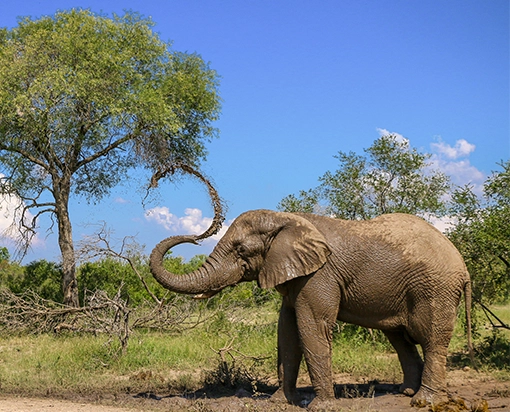
- A herd of elephants moving through a dusty road.
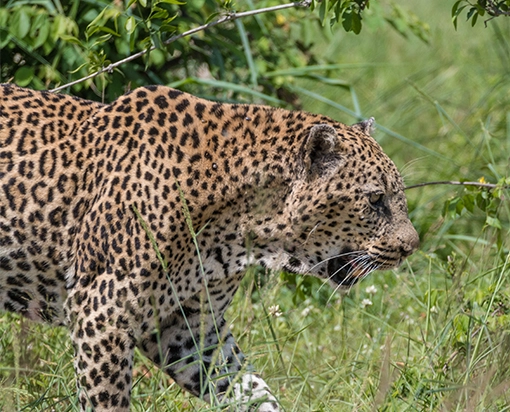
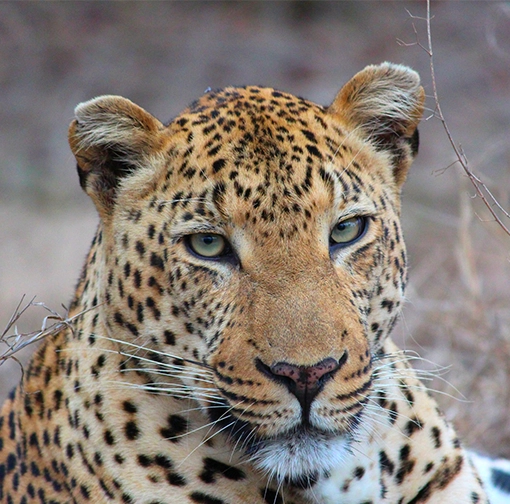
- A leopard framed naturally by branches.
- A giraffe silhouetted against the evening sky.
- A bird perched in clear morning light.
- Antelope standing alert after hearing an alarm call.
- A wide landscape image that shows an animal in its natural environment.
A photograph becomes more powerful when it tells a story rather than simply recording that an animal was seen.
Suitable for Beginners and Experienced Photographers
A Kruger photography safari is not only for professional photographers. Beginners can learn how to anticipate wildlife moments, improve composition and make better use of available light.
Experienced photographers benefit from a guide who understands the importance of vehicle position, patience and allowing enough time at promising sightings.
Even guests using smartphones can enjoy the experience, especially when the focus is on getting closer to nature, observing carefully and creating memorable images.

Why Kruger National Park Is Ideal for Wildlife Photography
Kruger National Park is one of South Africa’s most celebrated safari destinations, offering a wide variety of habitats and wildlife-viewing opportunities.
From river systems and open grassland to woodland and rocky areas, the changing landscapes provide different photographic backgrounds throughout the journey.
Incredible Wildlife Diversity
Many visitors hope to photograph elephant, lion, leopard, buffalo and rhino. These animals can create unforgettable photographic moments, but they are only part of Kruger’s appeal.
A day in the park may also offer opportunities to photograph:
- Zebra, giraffe, kudu, wildebeest and impala.
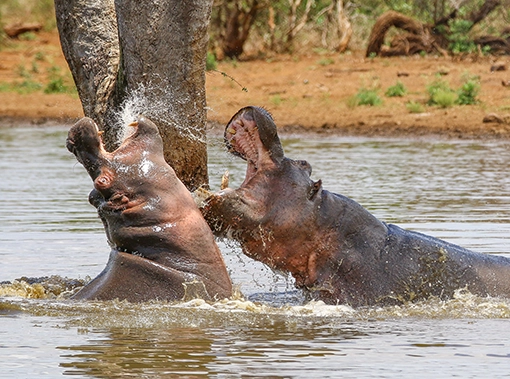
- Hippos, crocodiles and waterbirds near rivers or dams.
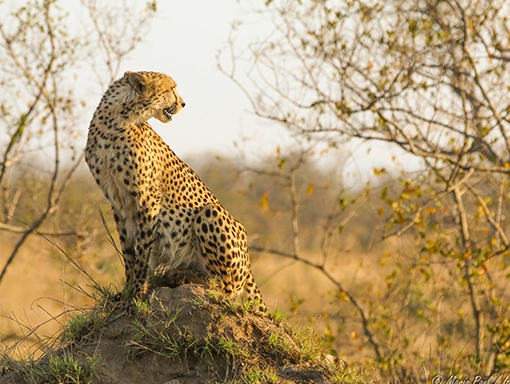
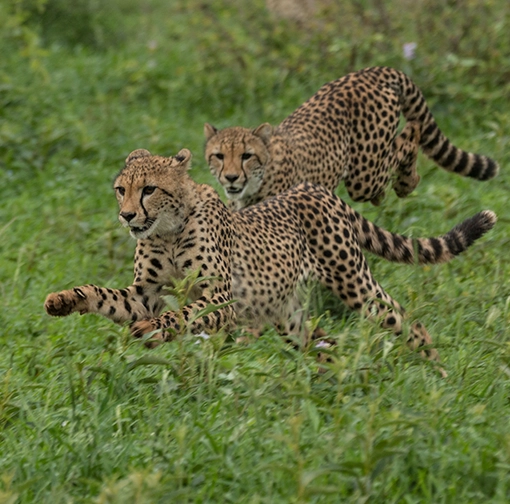
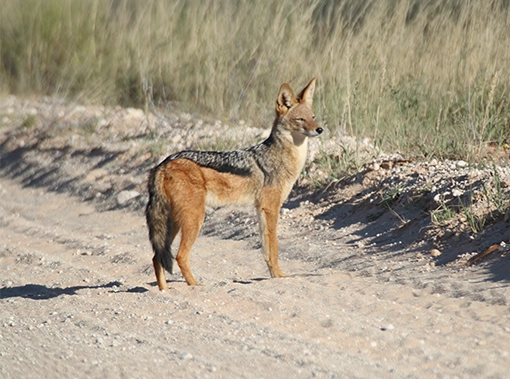
- Hyena, jackal, cheetah or wild dog when fortunate.
- Eagles, kingfishers, rollers, hornbills and other birdlife.
- Reptiles, insects and smaller details that reveal the character of the bush.
The variety means photographers can work with portraits, action, landscapes, behaviour and bird photography during the same safari.
Natural Light and Changing Landscapes
Light can transform a wildlife photograph. Early mornings may offer soft golden tones, mist, long shadows and cool conditions when animals are active.
Later in the day, the bush takes on different colours and moods. Dust, clouds, summer greenery or dry winter grasses can all contribute to the atmosphere of an image.
A Kruger photography safari allows you to work with these changing conditions rather than searching only for close-up animal sightings.
The Difference Between a Photography Safari and a Standard Game Drive
Every guided game drive can be enjoyable, but photographers often need a different style of safari.
Time to Wait for the Right Moment
Wildlife photography rewards patience. An animal may initially appear to be doing very little, but a few quiet minutes can lead to a more interesting photograph.
A resting lion may stand, stretch or interact with another member of the pride. An elephant herd may cross the road in a natural formation. A bird may take flight in beautiful light.
On a photographic safari, there is greater appreciation for waiting rather than immediately moving on.
Attention to Positioning and Backgrounds
A good wildlife photograph is shaped by more than the animal itself. Branches, harsh shadows, busy backgrounds or an awkward vehicle angle can affect the final image.
A guide experienced in photography understands how position and light influence the photograph. Without disturbing the wildlife or leaving authorised routes, the vehicle may be carefully placed to help guests find a cleaner angle or a stronger composition.
A Safari Shaped Around Your Photographic Goals
Different photographers have different interests. Some want portraits of large mammals, while others are drawn to birds, action, landscapes or animal behaviour.
A dedicated safari provides an opportunity to discuss what you hope to photograph and focus the experience accordingly, while accepting that wildlife remains unpredictable and every sighting happens naturally.
How to Capture Better Wildlife Photographs on Safari
You cannot control the wildlife, but you can prepare yourself to respond when a photographic opportunity appears.
Photograph Animal Behaviour
A clear portrait is always valuable, but behaviour often creates the most engaging safari images. Look for moments such as:
- Elephants greeting, feeding or caring for young.
- Lions communicating, walking or resting together.
- Birds feeding, calling or taking flight.
- Antelope watching for danger.
- Giraffes interacting or browsing.
- Animals approaching water or moving through their habitat.
Behaviour adds emotion, movement and context to your photographs.
Include the Environment
It is easy to focus only on close-up photographs, especially when seeing exciting wildlife. However, wider compositions can reveal the scale and beauty of Kruger National Park. Try photographing:
- An elephant beneath a large African sky.
- Giraffe moving through woodland.
- Antelope in golden grass.
- A bird surrounded by its habitat.
- A safari road disappearing into the bush.
These photographs help tell the full story of where the animal lives.
Be Patient with Quiet Sightings
Not every moment begins dramatically. Sometimes the best image happens after waiting quietly and observing.
Rather than immediately searching for the next animal, watch how the subject responds to its surroundings. Look at the direction of the light, the background and the possibility of movement.
Patience often turns an ordinary sighting into a memorable photograph.


Camera Gear for a Kruger Photography Safari
The best camera is the one you are comfortable using, but good preparation helps you respond quickly in the field.
Camera and Lens Suggestions
For wildlife photography, a telephoto lens can be useful when animals are viewed at a respectful distance. A zoom lens also offers flexibility when animals move closer or when you want to capture more of the surrounding landscape. A wider lens may be useful for:
- Bushveld scenery.
- Dramatic skies.
- Animals within their environment.
- Safari storytelling photographs.
You do not need to carry every lens you own. Choose equipment that is practical, comfortable and easy to manage in the vehicle.
Helpful Safari Photography Accessories
Consider bringing:
- Fully charged camera batteries.
- Spare batteries.
- Additional memory cards.
- A lens cloth or cleaning kit.
- A protective camera bag.
- A beanbag or stabilising support, where available.
- Binoculars for spotting animals and birdlife.
- A power bank for phone photography.
Dust is part of the safari environment, particularly during drier months. Keep your equipment protected when it is not in use and avoid unnecessary lens changes in dusty conditions.
Smartphone Photography Tips
A smartphone can still capture beautiful safari memories, especially when animals are reasonably close or when photographing landscapes and atmosphere. For better smartphone photographs:
- Clean the camera lens before the drive.
- Avoid excessive digital zoom.
- Use natural light wherever possible.
- Keep the phone stable when taking photographs.
- Focus on composition, behaviour and the wider setting.
The most meaningful photograph is not always the closest image. It is often the one that best preserves the feeling of the moment.
Best Time for a Kruger Photography Safari
Kruger offers excellent photographic opportunities throughout the year, but each season has a different visual character.
Dry Season Photography
During the dry season, vegetation is often more open and wildlife may be drawn towards available water sources. Photographically, this season can offer:
- Golden and earthy landscape tones.
- Dust creating atmosphere in backlit images.
- Clearer visibility through thinner vegetation.
- Wildlife activity near water.
Early mornings can be cold, so warm clothing is important for guests travelling in open safari vehicles.
Green Season Photography
After the rains, Kruger becomes lush, vibrant and full of colour. This season can be especially rewarding for photographers interested in landscapes, birdlife and young animals. Green season opportunities may include:
- Rich natural backgrounds.
- Dramatic skies and summer clouds.
- Active birdlife.
- Fresh vegetation and seasonal flowers.
- Newborn animals and family interactions.
Although thicker vegetation may sometimes make wildlife more difficult to spot, it can also provide beautiful environmental photographs.
Make the Most of Early Morning Light
Early mornings are particularly rewarding for wildlife photography. Animals may be more active in cooler temperatures, while the softer light can add warmth and depth to images. A sunrise safari also brings a distinctive atmosphere: cooler air, quiet roads, bird calls and the anticipation of discovering what the new day will reveal.
Ethical Wildlife Photography in Kruger National Park
The privilege of photographing wildlife comes with responsibility. Wild animals should always be observed respectfully and allowed to behave naturally.
Keep the Wildlife Experience Natural
Responsible wildlife photography means:
- Maintaining a respectful distance.
- Remaining calm and quiet at sightings.
- Avoiding pressure on animals for a better photograph.
- Never encouraging wildlife to move or react.
- Following park rules and your guide’s instructions.
- Being considerate of other guests enjoying the sighting.
A natural photograph of an undisturbed animal is far more meaningful than an image created through interruption or stress.
Respect the Moment Beyond the Photograph
A safari should never become only about collecting images. Take time to put the camera down, listen to the bush and appreciate the privilege of being close to wildlife in its natural environment.
Often, the moments you remember most strongly are not only the photographs you captured, but the sounds, anticipation and emotion surrounding them.
Choosing the Right Kruger Photography Safari Experience
The ideal photographic safari depends on your available time, photography interests and the type of experience you want.
Photographic Day Safari
A full-day photographic safari is an excellent choice for guests who want a complete Kruger photography experience in a single day. It provides time to explore, work with changing light and seek a variety of wildlife and birdlife opportunities without needing to commit to an overnight journey.
Multi-Day Photographic Safari
For photographers who want a deeper experience, a multi-day photographic safari provides more time in the park and more opportunities to adapt to changing conditions. Over several days, you can experience different sightings, changing landscapes, varied light and the natural rhythm of the bush. This option is especially appealing for guests with specific photographic interests or those who want an immersive wildlife photography journey.
Private Photography-Focused Safari
A private safari offers additional flexibility for photographers, couples, families or small groups who prefer a more personal experience. With your own guide and vehicle, the pace of the safari can be better aligned with your photographic priorities and comfort.
Why Book a Kruger Photography Safari with Wild Photo Africa?
Wild Photo Africa specialises in wildlife photography tours into Kruger National Park, helping guests experience the bush through both observation and photography.
The team understands that photographers value time, positioning, natural light and animal behaviour. Just as importantly, Wild Photo Africa places emphasis on ethical wildlife viewing and creating a rewarding safari experience, whether guests are beginners, enthusiastic hobbyists or experienced photographers.
From photographic day safaris to longer immersive journeys, Wild Photo Africa offers guests the opportunity to explore Kruger with professional guidance and a genuine appreciation for the natural world.

Capture Your Kruger Story with Wild Photo Africa
A Kruger photography safari is an opportunity to capture more than photographs. It is a chance to preserve moments of connection, patience, excitement and wonder in one of South Africa’s most remarkable wilderness destinations.
Every safari brings a new story: the light, the landscape, the movement of wildlife and the unexpected encounters that make Kruger unforgettable.
Book your Kruger photography safari with Wild Photo Africa and experience the park with expert photographic guidance, respectful wildlife viewing and the time needed to capture moments that will stay with you long after the safari ends.


