When to Book Your Kruger Photo Safaris for Peak Season
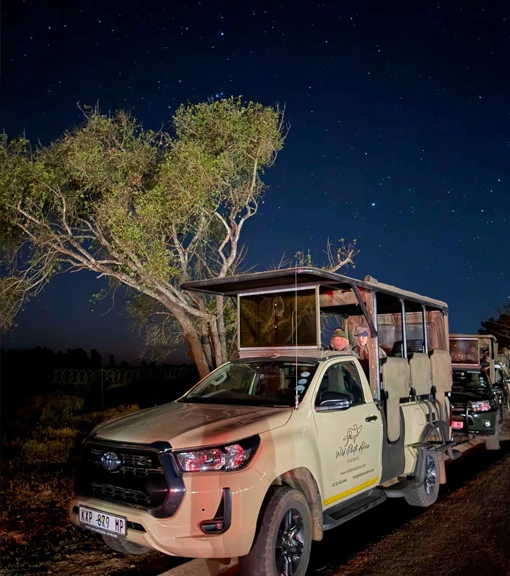
How Far in Advance to Book A Kruger Photographic Safari for Peak Season
Six months out from your dream Kruger photo safari and you suddenly notice that the July slot you wanted is suddenly gone.
That is how the Kruger’s immensely popular dry season works once photographers, birders and families all begin to chase the same handful of weeks.
Peak season here is not a vague marketing phrase either.
It covers a specific stretch of the calendar, one that includes the best visibility, ideal weather, plenty of animal movement and South African school holidays, and it fills vehicles and camps from the front of the queue backwards.
If you want to book your Kruger photo safari for June, July or August, the booking window is going to be as important as the lens you pack.
When is the Peak Season in the Kruger?
The Kruger’s peak season runs from May to September, with June to August being the busiest time in the park.
Rainfall drops close to zero through these months, vegetation thins out, and animals gather around permanent rivers and waterholes rather than scattering across the bush.
Predators become easier to locate, mornings are crisp and clear, and the low winter light suits a long lens far better than the flat glare of summer. South African school holidays, particularly the June and July break, land squarely inside this window, adding local demand on top of international bookings.
How Far Ahead Should You Book for Peak Season?
| Travel window | Recommended booking lead time |
| June to August, core dry season | 8 to 12 months |
| September and school holiday weeks | 6 to 9 months |
| April, May, October, shoulder season | 3 to 6 months |
While the peak season is immensely popular, the shoulder months can give photographers a real advantage if you are willing to trade a little wildlife density for some elbow room.
April and May still show good sightings as the bush dries out, October brings back that dramatic dry season light before the first rains, and both months move with a far shorter lead time.
What The Early Booking Buys You
An early booking secures the seat in the vehicle, from the best vantage point.
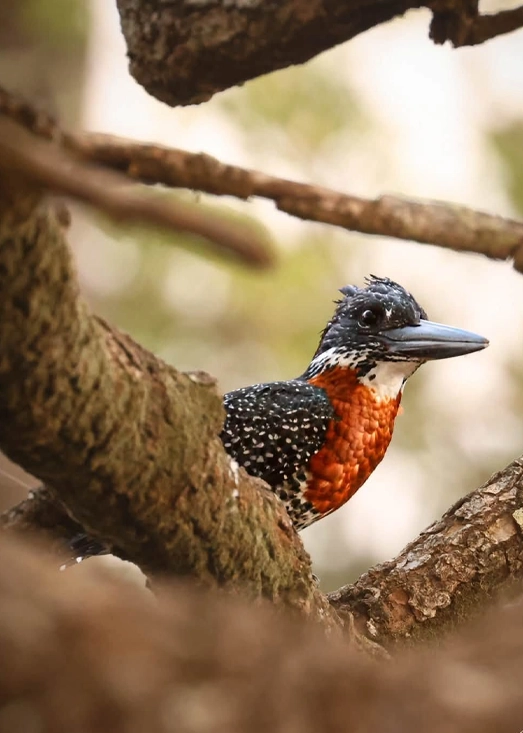
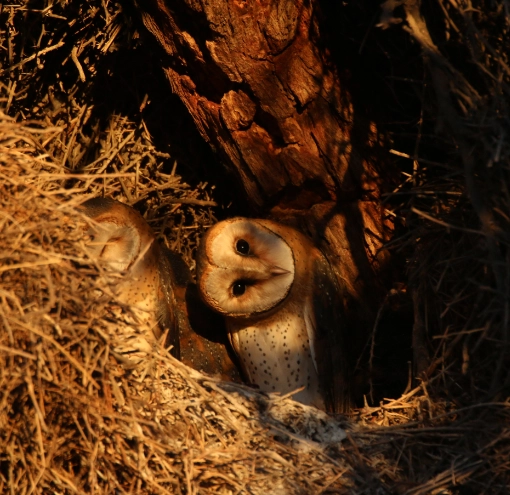
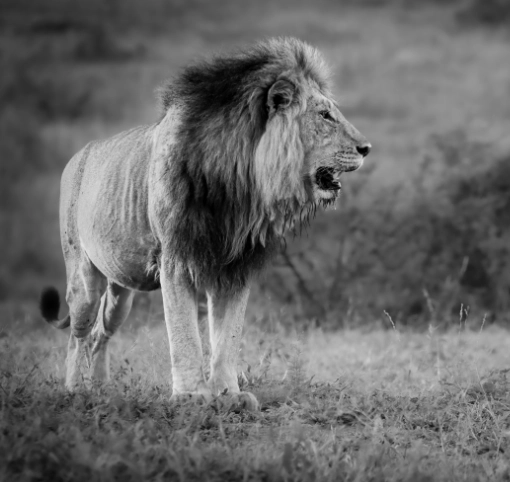
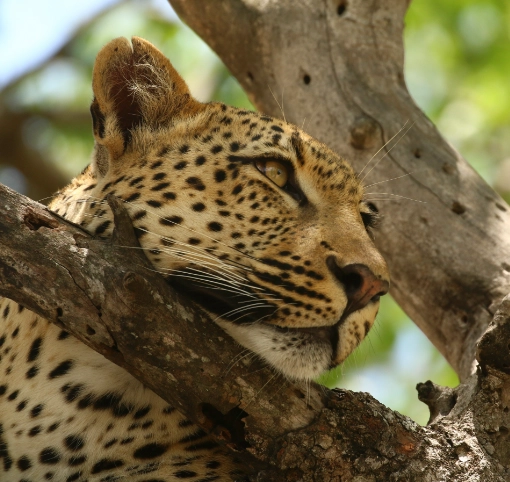
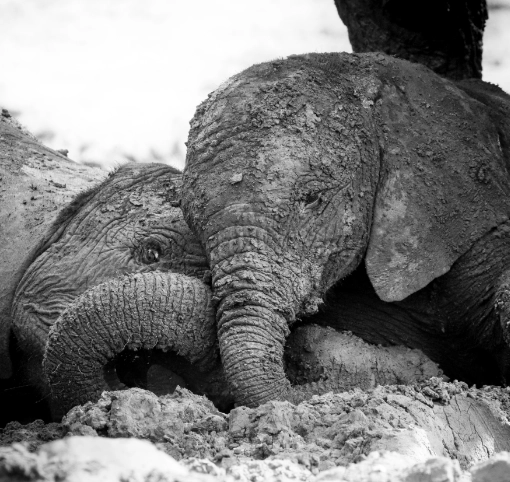
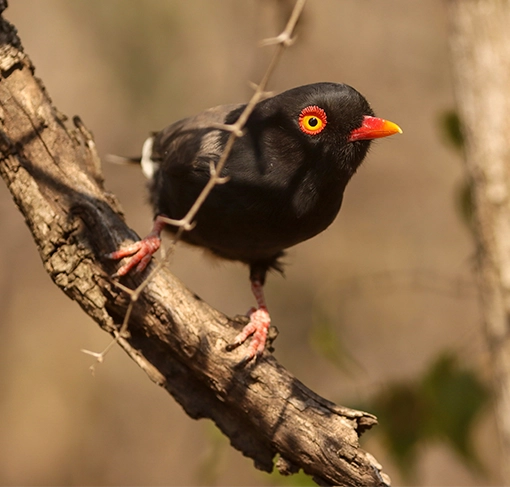
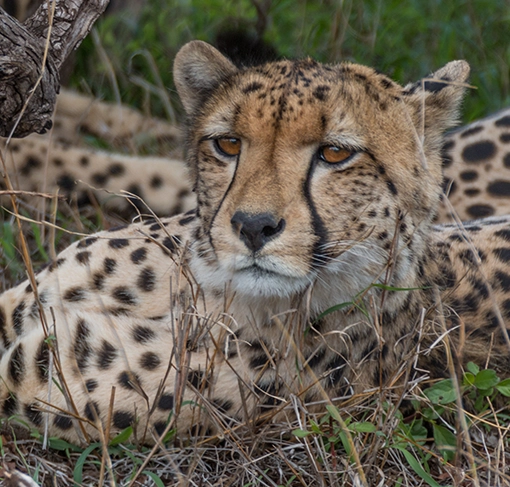
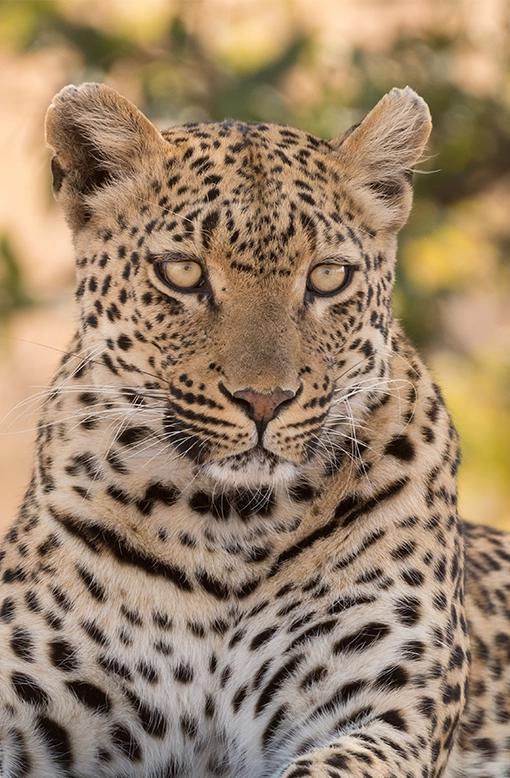
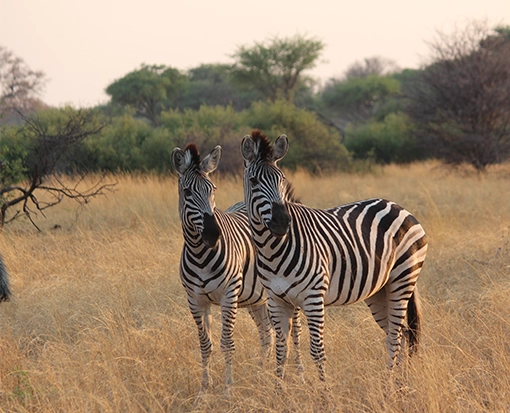
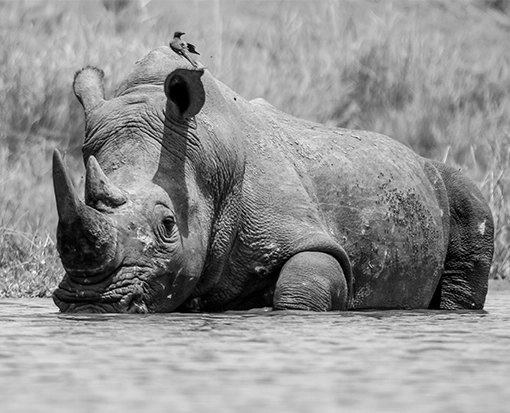
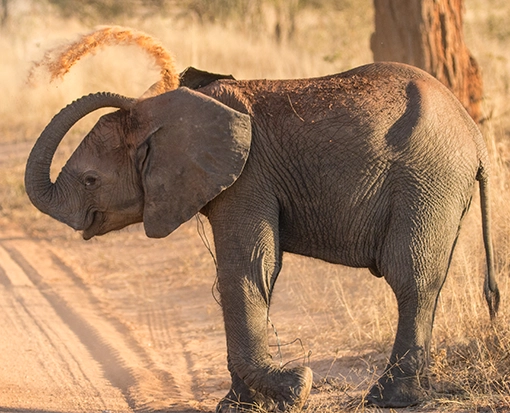
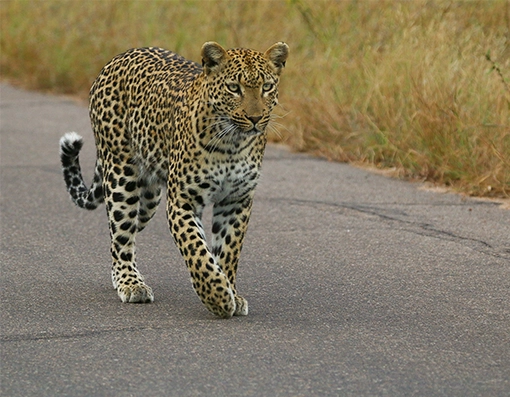
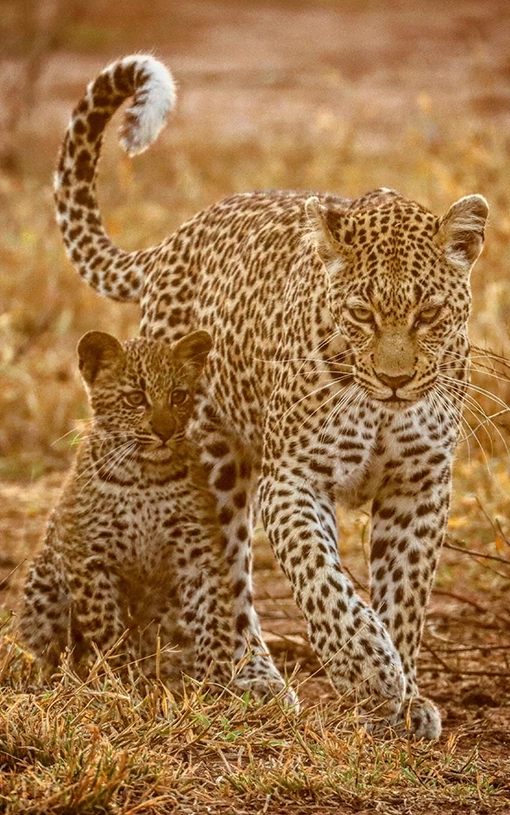
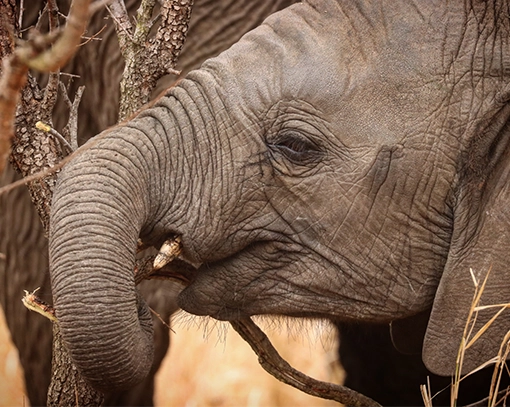
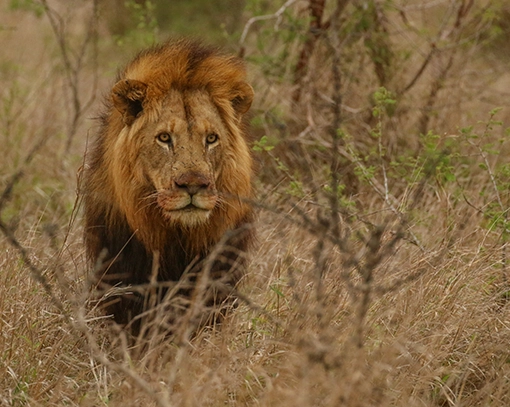
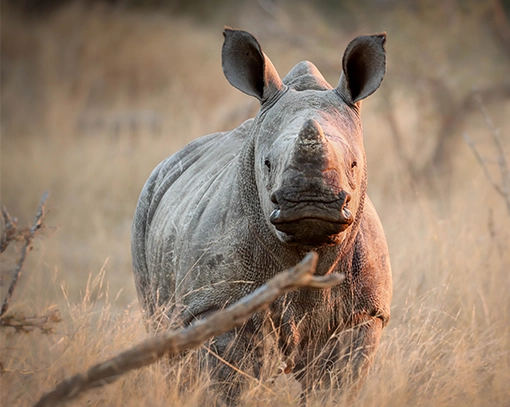
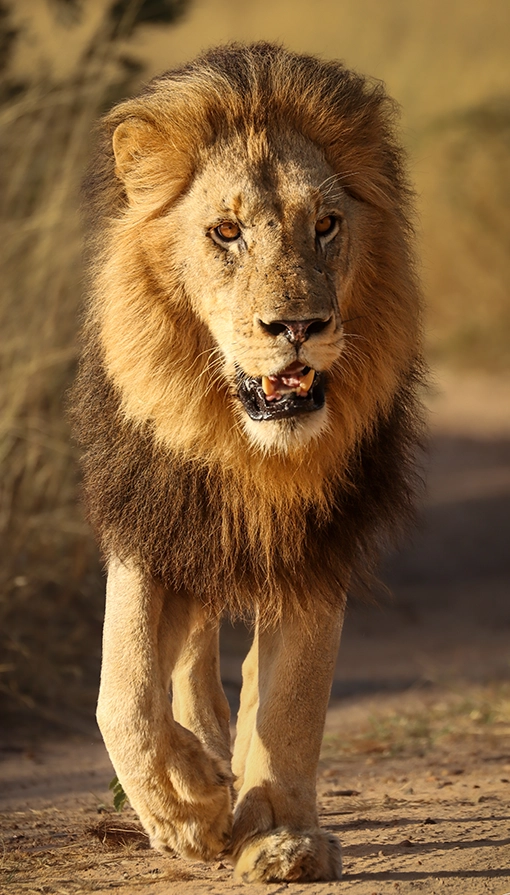
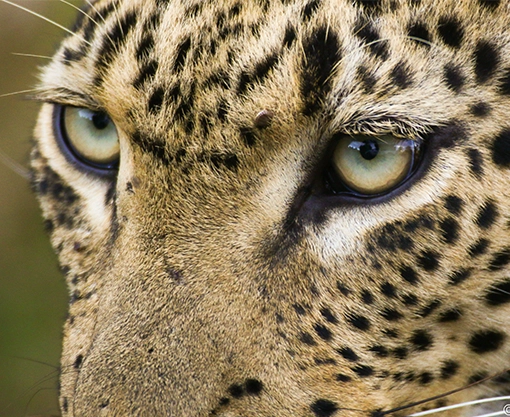
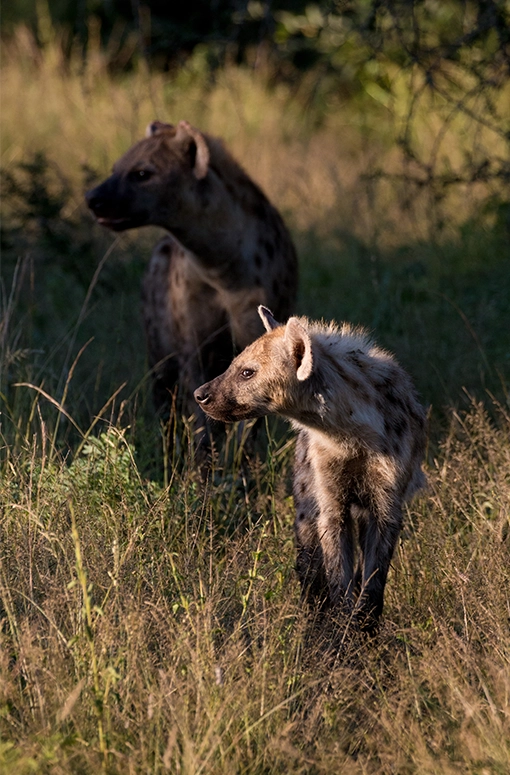
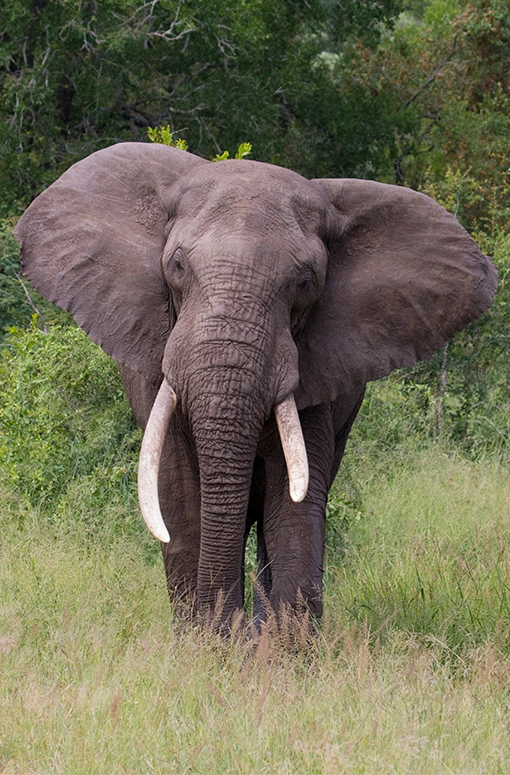
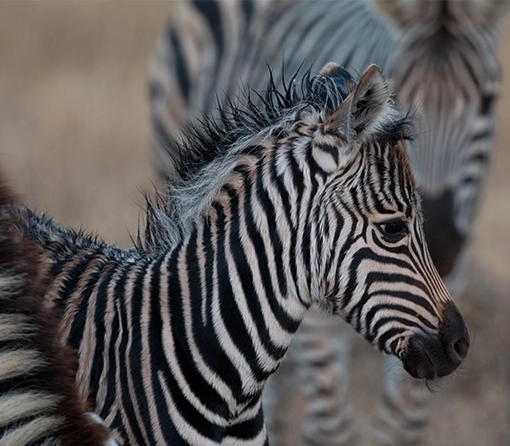
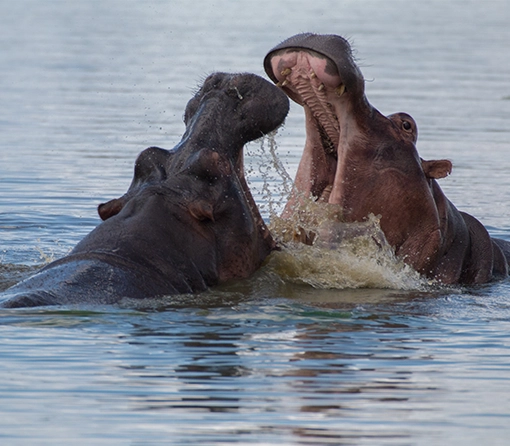
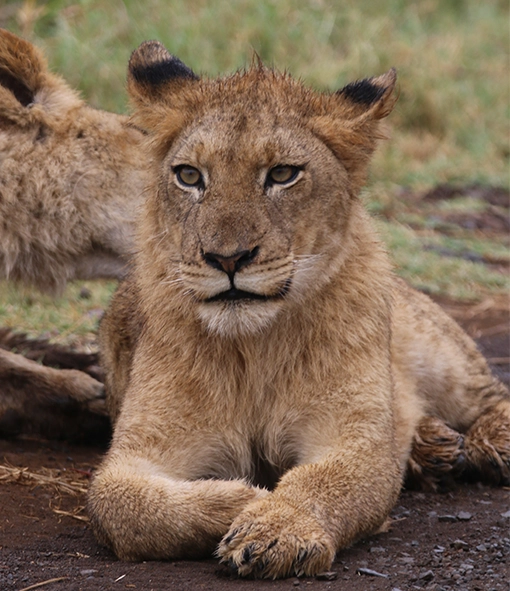
The Kruger is famously home to close to 150 mammal species and more than 500 recorded bird species, and peak season concentrates a large share of them around a predictable handful of water sources.
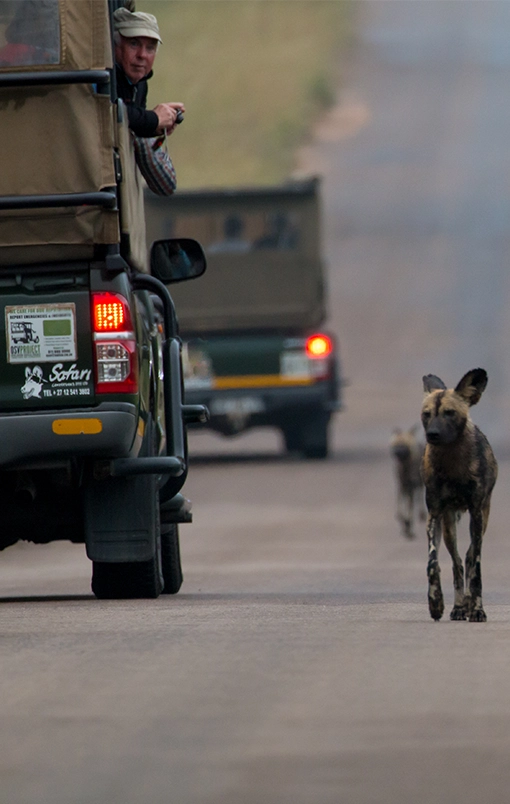
Locking in early access to those areas, before school holiday traffic fills the roads, protects the gate-to-gate structure that produces the best photos from the first light of the day, to the last.
Wild Photo Africa runs photographic safaris out of White River under founder Mario Paul, a qualified Nature and Trails Guide who plans each day around light and animal behaviour rather than a fixed checklist.
Frequently Asked Questions
When does the Kruger's peak safari season start and end?
The Kruger’s peak season runs from May to September, with June, July and August forming the busiest and most photographed core of the dry winter.
How far in advance should I book a Kruger photographic safari?
Book 8 to 12 months ahead for June to August travel, 6 to 9 months for September and school holiday weeks, and 3 to 6 months for shoulder season months.
Are South African school holidays busier than the rest of peak season?
Yes. The June and July school break adds domestic travellers on top of international demand, so camps and vehicles inside that window book out first.
Does booking early guarantee better wildlife photography?
No booking guarantees sightings, since wildlife behaviour stays unpredictable, but early booking secures the vehicle, guide and gate times that give a photographer the best possible odds.
Is shoulder season worth considering for Kruger photography?
Yes. April, May and October combine strong sightings with shorter booking lead times and noticeably quieter roads compared with the June to August peak.