Private vs group photo safaris in Kruger: what photographers need to know

Private Vs. Group Photo Safaris:What Does the Difference Mean for Your Images and Your Experience?

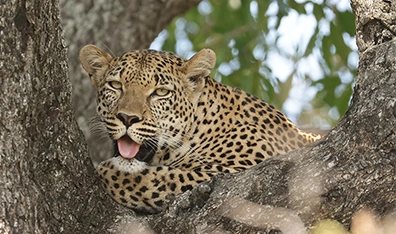
The air is cool and sharp, the light is turning from grey to gold, and somewhere ahead of you, a leopard is draped over an acacia branch, doing absolutely nothing, except looking impossibly photogenic. 

Your finger is on the shutter. You’ve focused on your subject.

And then the person next to you coughs. The leopard looks up and moves back into a shadowy spot, causing you to have a blurry image.

A cough might be a small thing to anyone else. But in wildlife photography, small things are the difference between getting the shot and missing it completely.

Choosing between a private and a group photo safari is one of the most important decisions a photographer can make before entering the Kruger National Park.

And to help you make the right choice, here is an honest look at both options.
What Actually Happenson a Group Photo Safari

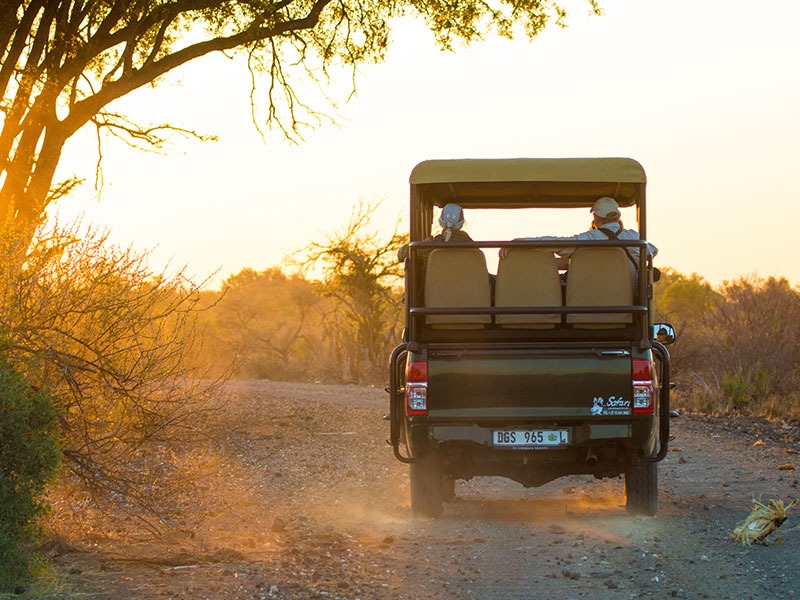
A group photo safari typically seats between four and ten guests in a single open vehicle, with a guide at the wheel and a shared schedule keeping things moving. 

For many photographers, especially those new to wildlife shooting, this is a wonderful introduction to the park and to the safari experience. 

The energy of a group can be exciting. The sightings get spotted by more eyes, and since everyone is sharing a vehicle, the costs are shared.

But group safaris come with a downside for photographers.

The vehicle stops when the group is ready to stop. It moves when the group is ready to move. 

If a herd of elephants is backlit beautifully at 06h30 but two passengers have had enough by 06h45, the group moves on. 

Seating positions on a shared vehicle also matter more than most people would expect. Corner spots give the clearest sightlines and the best angles. Middle seats mean shooting around other people, other lenses, and other elbows, and everyone fights over the best seat.

According to a 2023 survey by Wildlife Photography Digest, 68% of photographers who had completed both group and private safaris said that vehicle positioning had a big impact on the quality of their images. 

And that number climbs even higher among photographers using long telephoto lenses above 400mm.

What a Private Photo SafariCan Give You

A private photo safari means the vehicle is yours. 

Every seat, every angle, and every decision. 

The guide works entirely to your pace and to your wish list for the day. If the light on a particular waterhole is extraordinary at 07h15, you can stay at that waterhole until you get the shot. 

If a mating pair of lions appears on the road at dusk and you need 40 minutes to work the scene, nobody is sighing behind you.

The practical photography advantages are significant. On a private vehicle, you can:

  • Position yourself in the optimal seat for each sighting, rather than staying fixed in an assigned spot
  • Ask the guide to adjust the vehicle angle to manage background clutter or find cleaner light
  • Slow the drive down to focus on smaller, quieter subjects — the lilac-breasted roller, the dancing yellow-billed hornbill, the mongoose family at play
  • Hold the position at a sighting for as long as the behaviour warrants it
  • Request early or late departures to maximise the quality of the golden-hour light

A guide who is also a skilled photographer makes this even more powerful. 

When the person at the wheel understands exposure, composition, and the particular challenge of a backlit elephant at f/8, the whole experience shifts. 

The guide is not just pointing at animals. They are anticipating behaviour, reading the light, and positioning the vehicle to give you the frame before you know you need it.

Which One isRight for You?

The answer depends on what kind of photographer you are and what kind of images you are hoping to make.

If you are travelling with a partner, a small family, or a group of photographer friends, a private vehicle is almost certainly the better investment. You will spend more upfront, but every hour in the park is working directly toward your photography rather than accommodating a group with different goals.

If you are a solo traveller or someone who enjoys the social dimension of a shared experience, a well-run group safari with a photography-focused guide can be both affordable and deeply rewarding. 

The keyword there is photography-focused. 

A guide who understands the art of photography makes all the difference, regardless of how many guests are in the vehicle.

At Wild Photo Africa, both options are built around the same philosophy: that the best wildlife images come from preparation, patience, and a guide who thinks like a photographer. Our team knows the Kruger’s southern regions intimately, understands animal behaviour at a level that lets them anticipate sightings before they happen, and genuinely cares about putting guests in the right position at the right moment.

The Kruger is one of the most photogenic places on Earth. 

Getting the most from it is simply a matter of choosing the right vehicle, the right guide, and the right approach for who you are as a photographer.
Frequently AskedQuestions

Is a private photo safari worth the extra cost in the Kruger National Park?

For serious photographers, yes. A private photo safari gives you full control over vehicle positioning, pace, and timing, which directly affects the quality of your images. You are not working around other guests or a fixed schedule. The guide can hold position at a sighting for as long as the behaviour is interesting, adjust the vehicle angle for better light, and tailor the entire drive to your photography goals. If photography is the primary reason for your visit, the additional cost typically translates to meaningfully better images.

Can beginners benefit from a private photo safari, or is it better suited to experienced photographers?

A private safari can actually be ideal for beginners, because it creates space for the guide to give you focused, one-on-one support with camera settings, composition, and technique without the distraction of a larger group. You are not watching someone else get the shot while you are still adjusting your exposure. The pace works entirely for you, which is exactly what someone building their wildlife photography skills needs. Many guests on their first Kruger photo safari choose private because they want to learn without feeling rushed or self-conscious.

What is the best time of year for a photo safari in the Kruger?

The dry winter months from May to September are widely regarded as the best for wildlife photography. Vegetation thins out significantly, which improves visibility, and animals concentrate around water sources, creating clustered, dramatic sightings. The light in these months is also particularly beautiful, with cooler temperatures producing cleaner skies and more golden-toned mornings. That said, the wet summer season from November to February has its own appeal: lush green landscapes, newborn animals, and extraordinary storm light that produces some of the most dramatic images the Kruger has to offer.

How many people are typically on a group photo safari in the Kruger?

Group sizes vary between operators, but a well-run photographic group safari should seat no more than six to eight guests per vehicle. Anything larger starts to compromise the photography experience, as vehicle noise increases, sightlines become more restricted, and the guide has to manage too many different needs at once. When researching group safaris, it is worth asking specifically about maximum group size and whether the guide has a photographic background, as these two factors have the greatest influence on what you will actually achieve with your camera.

Which is better for wildlife photography: a private safari or a group safari?

From a pure photography standpoint, a private safari gives you more control and flexibility, which generally leads to stronger images. However, a thoughtfully run group safari with a photography-specialist guide and a small group of like-minded guests can produce excellent results. The most important variable is not the booking type but the guide. A guide who understands light, animal behaviour, and photographic composition will give you a far better experience than one who does not, regardless of whether you are on a private or shared vehicle. Look for an operator whose guides are photographers themselves, not just wildlife experts who happen to drive.

Kruger National Park Flood Update

The Kruger National Park has recently experienced record-breaking floods, following an intense cut-off low-pressure weather system that moved in from the Mozambique Channel earlier this month. 

While flooding is not unusual during the summer months, especially during tropical cyclone season, the scale and persistence of this system have made it an extraordinary event.

When the system settled over the Kruger, the rain did not let up. 

In the northern regions of Kruger, including Punda Maria and Pafuri, rainfall exceeded 300mm in just a few days. Major river systems such as the Luvuvhu, Sand, Crocodile, Limpopo and Sabie Rivers burst their banks.

Impact on camps and access to the Kruger

The flooding caused widespread infrastructure damage across the park. Camps including Mopani, Olifants and Shingwedzi, became inaccessible, prompting SANParks to evacuate over 600 staff and guests using helicopters.

At Letaba, floodwaters exceeded the 2000 flood marker, with water flowing directly through the camp and forcing further evacuations. In several areas, roads and bridges were washed away, and dams overflowed.

As of 19 January, SANParks confirmed that water levels along the Letaba River have started to drop. At present, only southern gates are accessible, namely Paul Kruger Gate, Numbi Gate, Malelane Gate and Phabeni Gate.

SANParks teams are already assessing damage and beginning restoration work where conditions allow. While some areas will take time to reopen fully, the Kruger has weathered extreme events before and has always emerged strong.

For travellers with upcoming safari plans, flexibility and local knowledge are key. Conditions can change quickly, and routes, camps and gate access may be adjusted as recovery continues.

Our team remains in close contact with park authorities and local partners, monitoring updates daily. We are committed to ensuring that every safari is planned safely, responsibly and with the best possible experience in mind.

The Kruger National Park will soon be ready to welcome guests again, refreshed, revitalised and more alive than ever. When it does, the rewards will be extraordinary.

If you have questions about current conditions or future travel plans, we are always here to help guide you. You can contact us to find out more about the situation or to book one of our exciting safari packages.


Ready to Experience the Wild?

Join Wild Photo Africa on an unforgettable photographic safari in the Kruger National Park.

How to Prepare Your Camera Gear for Different African Safari Environments

There’s a certain kind of excitement that comes with photographing Africa’s wilderness, that split second when the light hits a lion’s mane just right, or when an elephant calf ambles past in perfect symmetry with its herd. 

But to capture those once-in-a-lifetime shots, you’ll need more than luck. 

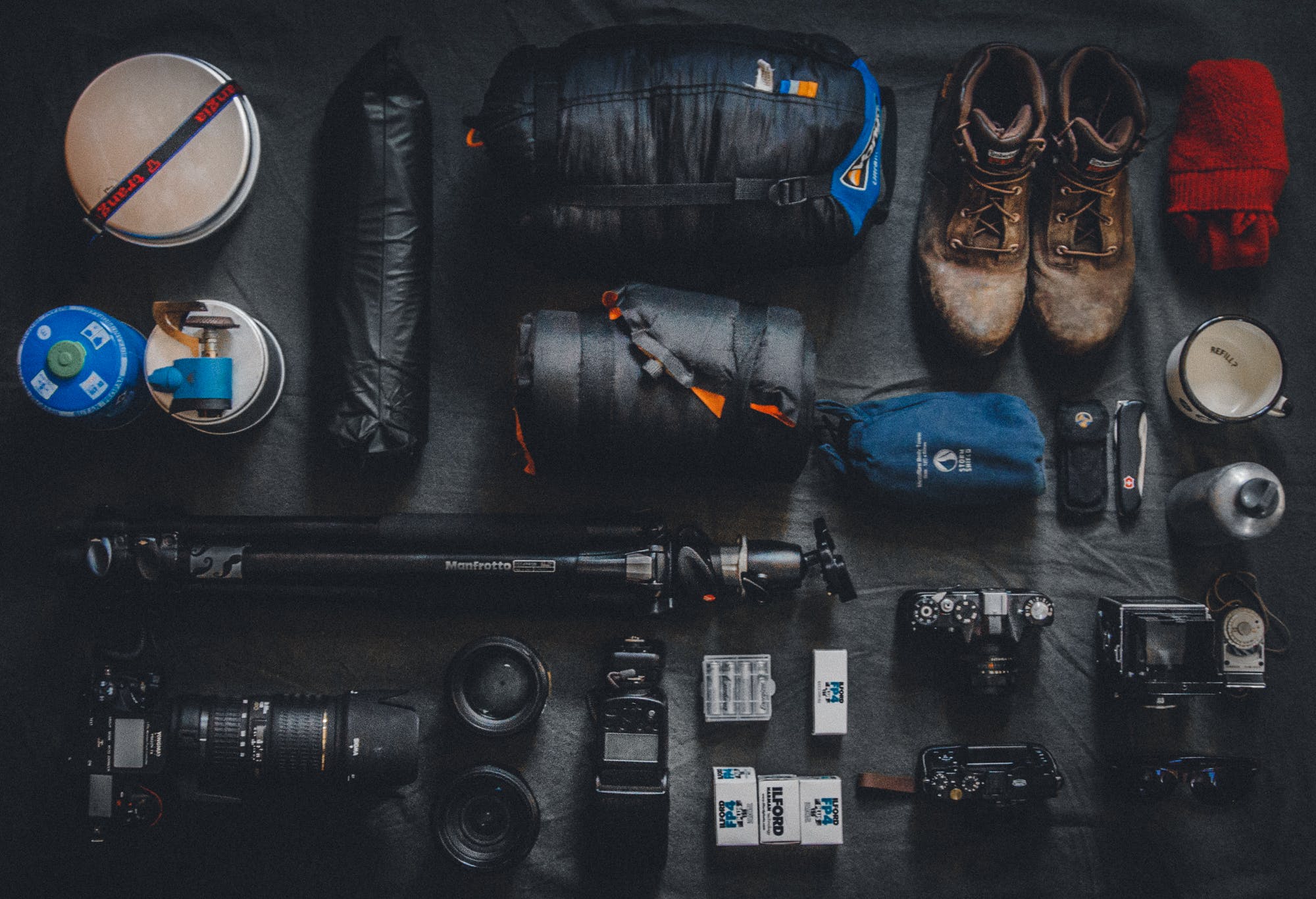
You’ll need the right gear, prepped and ready for every environment the Kruger National Park can throw at you.

And at Wild Photo Africa, we have spent years guiding photographers across South Africa’s most photogenic terrain, and they’ve learned that preparation is as much about the equipment as it is about mindset, adaptability, and respect for the bush.

Dust, Heat and Savannah Scenes

The Kruger’s dry season is every landscape photographer’s dream: golden light, clear skies, and herds moving through the parched savannah. 

It’s also every camera sensor’s worst nightmare. Fine dust gets everywhere.

Pack a few microfibre cloths and a rocket blower. They’re your best friends when the red sand starts to cling to your lens barrel. Lens filters, especially UV or protective filters, are non-negotiable; they’ll take the hit when that unexpected gust of wind kicks up grit.

And while it’s tempting to change lenses in the field, resist the urge unless absolutely necessary. 

Instead, carry two camera bodies if possible, one with a wide lens for landscapes and another with a telephoto for wildlife close-ups. This setup saves time and reduces the risk of getting dirt on your sensor mid-safari.

From Dawn Chill to Midday Heat

Kruger mornings can be surprisingly chilly, even nippy enough to make your camera fog up faster than your morning coffee. Then, by midday, that same camera is baking under the African sun. The trick is to keep your gear “acclimatised”.

When you move from a cool, air-conditioned lodge to the warm outdoors, give your camera a few minutes to adjust before shooting. Silica gel packets in your bag will help combat moisture build-up, especially if you’re out early chasing sunrise shots.

Wild Photo Africa’s guides often suggest a lightweight, neutral-toned camera cover to keep equipment cool and discreet. 

How to Weatherproof for the Unexpected?

Even in the dry season, African weather loves a surprise. Sudden downpours near rivers or misty mornings in the Lebombo Mountains can leave unprepared photographers scrambling. Waterproof camera bags or dry sacks are essential.

Rain covers for your camera and lens are easy to pack and worth every cent. If you don’t have one, a large zip-lock bag and a bit of ingenuity can save the day. Keep silica packets tucked in every compartment to draw out moisture, and wipe down your gear after every shoot.

You should also pack a small towel in your gear bag. Not only is it great for drying off lenses, but also for sitting, kneeling, or protecting your gear from rough terrain when you’re composing that perfect low-angle shot.

The Right Mindset and Company Make a Great Shot

Even with perfectly prepped gear, the most powerful safari photographs come from patience, respect, and a keen eye for the story unfolding in front of you. That’s why Wild Photo Africa’s guided safaris are designed by photographers, for photographers.

Whether it’s waiting for that cheetah to stretch at sunrise or capturing the last light over the Sabie River, our guides know when to linger, when to move, and when to hold your breath.

If you’re dreaming of capturing the soul of Africa through your lens, now’s the time to turn that dream into pixels.

Travel with us to Capture the Kruger

Your camera’s ready. Your memory cards are empty. The wild is calling.

Join Wild Photo Africa for a photographic adventure where every shot tells a story and every moment reminds you why you fell in love with photography in the first place.

👉 Visit www.wildphotoafrica.com to start planning your Kruger Park photo safari today.


Ready to Experience the Wild?

Join Wild Photo Africa on an unforgettable photographic safari in the Kruger National Park.

Best Lesser-Known Photo Safari Destinations in Africa

If you’ve ever tried shooting a lion on a packed safari vehicle (with six other cameras elbowing for the same angle), you’ll know the struggle is real. Africa may be home to the world’s most iconic wildlife, but the best photo safari experiences aren’t always the ones you’ll find plastered all over Instagram.

Some of the continent’s most breathtaking landscapes and rarest species live far away from the usual safari circuits, and those are exactly the places where your camera will fall madly, deeply in love.

We’ve spent years photographing wildlife across Africa, and while our hearts remain in the Kruger National Park, there are a few other places on the continent that every wildlife photographer should travel to at least once.

What are the best lesser-known photo safari destinations in Africa?

Photographers are spoiled for choice when it comes to planning an adventure in the wildest place on Earth. Not only are there plenty of animals to turn into striking subjects, but the sunsets, mountains, waterfalls, beaches, forests, cityscapes…all make for some out-of-this-world photography. 

If we were planning a photo safari to a place other than the Kruger National Park, this is where we’d go:

Kgalagadi Transfrontier Park, South Africa & Botswana

When photographers talk about “that red sand magic,” they’re talking about the Kgalagadi. 

Far removed from city life, this semi-desert wonderland is famous with photographers for its clean light, dramatic dunes, and for having some of the most photogenic predators on the continent.

In the park, one of the most memorable things you can see is a black maned lion, and since it’s far less crowded than the Kruger, the wildlife scenes you come across will be all yours to enjoy.

Zakouma National Park, Chad

Now, before you raise an eyebrow, yes, Chad. And yes, Zakouma is safe to visit with registered operators. 

It also happens to be one of Africa’s most astonishing wildlife recovery stories, and it is so off the beaten path that any photos you take here will instantly be iconic. 

After years of protection supported by African Parks, elephant numbers have rebounded dramatically, and the park is now known for massive herds, rare birdlife, and surreal sunsets.

This is the destination wildlife photographers whisper about in excitement, the kind of place you visit if you want to come home with images no one else has.

Liuwa Plain National Park, Zambia

If the Serengeti had a shy little sister with wild hair and a rebellious streak, it would be Liuwa.

This park is home to Africa’s second-largest wildebeest migration, yet hardly anyone knows about it. 

The wide-open grasslands also create jaw-dropping compositions of lonely trees, dramatic skies, and wildlife sightings that seem out of a documentary.

Liuwa is also famous for its legendary lioness, Lady Liuwa, a story that still draws conservationists and photographers alike.

Odzala-Kokoua National Park, Republic of Congo

If you’re after something more rainforest-chic than savannah-classic, Odzala is your place.

This park is one of the best places in Africa to photograph western lowland gorillas. Think soft forest light, intimate encounters, and a completely different palette from the golds and browns of traditional safaris.

For photographers wanting to diversify their portfolios, Odzala is a refreshing choice.

Mahale Mountains, Tanzania

Mahale is remote. Properly remote. But that’s exactly why it’s magical.

Here, the forested mountains tumble into the turquoise waters of Lake Tanganyika and deep within those forests live some of the most habituated chimpanzee communities in the world.

If you’ve ever wanted a wildlife experience that feels spiritual, Mahale will change you. 

Capture Africa Differently

At Wild Photo Africa, we’re obsessed (in the healthiest way!) with finding wild, untouched places that will give you the kinds of photos that will have people talking.

If you’re looking to plan your dream photographic safari, reach out. Let’s turn your next trip into a portfolio-changing experience.


Ready to Experience the Wild?

Join Wild Photo Africa on an unforgettable photographic safari in the Kruger National Park.

What Makes Kruger Different from Other Safari Destinations for Photographers?

The Kruger National Park is South Africa’s best-known and most frequented safari destination.

Huge, wild, and full of the most fascinating and photogenic scenes and wildlife, the Kruger is a living, breathing stage where nature performs daily miracles for those ready to capture them.

But what truly makes the Kruger different from other safari destinations? Let’s dive in lens-first.

1. A Landscape Made for Storytelling

The Kruger is big in both size and wildlife and landscape diversity. 

From golden savannas glowing in early morning light to winding rivers lined with ancient trees, every frame feels like nature’s art direction at work. Unlike many smaller reserves, the Kruger gives photographers a visual buffet: wide-angle grandeur one moment, macro magic the next.

Each region, from the mopane woodlands of the north to the granite outcrops of the south, has its own rhythm, textures, and moods. 

That means every sunrise promises something unique, and every shot has the chance to tell a fresh story.

2. Wildlife That Knows Its Angles

It’s one thing to see the Big Five; it’s another to photograph them behaving naturally.

The Kruger’s wildlife is remarkably habituated to safari vehicles, which means photographers can get close enough to capture raw expressions, the twitch of a lion’s ear, and the tender touch of an elephant calf.

With over 500 bird species and countless mammals, you’ll never run out of subjects.

From a lilac-breasted roller mid-flight to a leopard draped lazily over an acacia branch, the Kruger’s characters practically pose for you.

3. The Advantage of Expert Guidance

With a guide who not only knows the bush but also understands your shot, you are at a great advantage.

At Wild Photo Africa Safaris, founder and photographic guide Mario Paul brings a rare mix of field knowledge and creative intuition. As a qualified Nature and Trails Guide, he helps guests anticipate animal behaviour and position themselves before the action unfolds. Think of it as having both a wildlife whisperer and a photography mentor by your side.

Mario’s mission? To ensure every guest, whether beginner or pro, not only returns home with breathtaking photos but also with a heart full of stories and new appreciation for Africa’s natural rhythm.

4. A Balance of Adventure and Learning

Unlike hurried game drives elsewhere, Wild Photo Africa Safaris creates space, literally and figuratively, for photographers to slow down, compose, and feel the moment. Guests learn how light interacts with the savannah dust, how to predict wildlife movement, and how to capture emotion rather than just documentation.

5. The Spirit of Connection

Beyond the lenses and shutter clicks, the Kruger can give you a connection. To the land. To the animals. To yourself.

Mario and his team believe that a great photo safari isn’t just about great photos; it’s about stories you’ll tell long after the trip. When you learn how every creature plays a role in the ecosystem, your images take on deeper meaning; you don’t just see Africa; you understand it.

Capture and Show Off Your Wild Story

If your camera hand is itching and your heart longs for adventure, it might be time to turn your safari dreams into memories. Whether you’re just starting your photography journey or refining your professional portfolio, Wild Photo Africa Safaris will guide you to that perfect shot and the story behind it.

If you are yearning to take a walk on the wild side and take plenty of photos along the way, you’ll love an African photo safari.

Contact Wild Photo Africa Safaris today and let’s plan your once-in-a-lifetime photo adventure.


Ready to Experience the Wild?

Join Wild Photo Africa on an unforgettable photographic safari in the Kruger National Park.

Avoid These 7 Common Mistakes on Your First Photo Safari

There’s nothing quite like your first photo safari.

The thrill of spotting wildlife in its natural habitat, the golden African light, the rush of capturing that perfect shot, it’s all every photographer’s dream. 

But as even the most seasoned photographer knows, mistakes can and do happen, and when you are out in the middle of the Kruger, and a mistake you could have avoided happens, you could end up ruining part of your trip!

In this guide, we have a list of the most common mistakes that you can plan around to avoid happening:

1. Packing the Wrong Gear

Don’t make the rookie mistake of showing up with only one lens or relying solely on your smartphone. 

On safari, the wildlife is often far away. 

A zoom lens in the 200–400mm range is a lifesaver, and having a wide-angle lens for landscapes is equally important. You can’t just “move closer” to a lion, but you can zoom in. 

2. Forgetting to Practice with Your Camera

It sounds obvious, but many people bring brand-new gear on safari without learning how to use it. 

Wildlife moments happen in seconds, and fumbling with buttons means you are going to miss the best shots. 

Before your trip, set aside some time to practice changing settings quickly, shooting in different light conditions, and using burst mode.

3. Overpacking and Ignoring Weight Limits

Safaris often have strict luggage limits, especially if you’re flying in.

Overstuffing your bag with heavy tripods and gear you won’t use only adds stress. 

Instead, pack light and smart: two versatile lenses, extra batteries, and plenty of memory cards will suffice.

4. Not Respecting Wildlife Distances

Getting the shot is exciting, but safety, yours and the animal’s, comes first. 

Don’t lean out of the vehicle or ask your guide to drive closer than is safe. 

A zoom lens is your best friend for intimate portraits without intruding on the animal’s space.

5. Ignoring Light and Shooting at the Wrong Time

Midday African sun is harsh, and it will definitely end up flattening your photos with blown-out highlights and deep shadows that will be just about impossible to edit. 

The best safari shots are captured at sunrise and sunset, when the light is warm and dramatic. Plan your shoots around golden hour, you won’t regret it. 

6. Forgetting the Basics of Composition

Yes, you want that lion in the frame, but don’t forget about composition.

Use the rule of thirds, include the surrounding environment, and watch your horizons. Some of the most striking images aren’t close-ups, but wide shots showing wildlife in context.

7. Living Through the Lens and Not the Moment

This might be the biggest mistake of all. It’s tempting to snap non-stop, but don’t forget to lower your camera and soak in the scene.

The sound of elephants trumpeting or the stillness of a leopard in a tree are memories that will matter just as much as the photos.

Your first Kruger photo safari will be the one that stays with you for the rest of your life.

To make the most of your trip, pack smart, respect the wildlife, and remember that every shot is a gift. With these tips, you’ll not only avoid common mistakes but also come home with images and memories, that last a lifetime.


Ready to Experience the Wild?

Join Wild Photo Africa on an unforgettable photographic safari in the Kruger National Park.