

Kruger Birding Safari Experiences
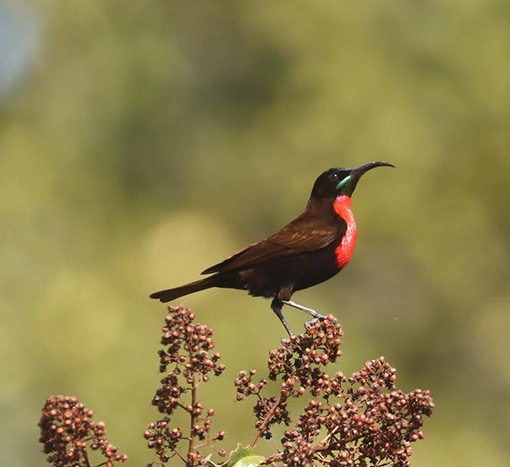
A flash of colour from a lilac-breasted roller. The powerful silhouette of an eagle above the bushveld. The unmistakable call of a southern ground hornbill carrying through the early morning air. On a Kruger birding safari, every road, river crossing and tree line can reveal something remarkable.
Kruger National Park is famous for its wildlife, but its birdlife adds an entirely different dimension to the safari experience. With more than 500 bird species recorded in the park, it is an exceptional destination for both experienced birders and guests who simply want to notice more of the natural world around them.
A birding safari is not only about adding species to a checklist. It is about learning to listen, understanding habitats, watching behaviour and discovering how birdlife brings the bush to life. With specialist guidance from Wild Photo Africa, guests can experience the birds of Kruger at a thoughtful pace while still enjoying the park’s wider wildlife encounters.
Why Choose a Kruger Birding Safari?
Birding changes the way you experience a safari. Instead of waiting only for a large mammal sighting, every moment becomes filled with possibility. A bird may be perched beside the road, calling from thick foliage, circling overhead or feeding near water.
A Kruger birding safari helps guests connect with the park in greater detail. You begin to recognise the relationship between birds, habitats, seasons and other wildlife.
Birding Enhances the Full Safari Experience
A birding-focused safari does not mean missing out on Kruger’s larger wildlife. Elephants, giraffes, buffalo, antelope, predators and other animals may still form part of the journey.
The difference is that birding encourages a slower, more observant style of safari. You are not only travelling from one major sighting to the next. You are experiencing the park as a connected ecosystem, where every sound, movement and habitat has a story to tell.
Kruger Is a Rewarding Birding Destination
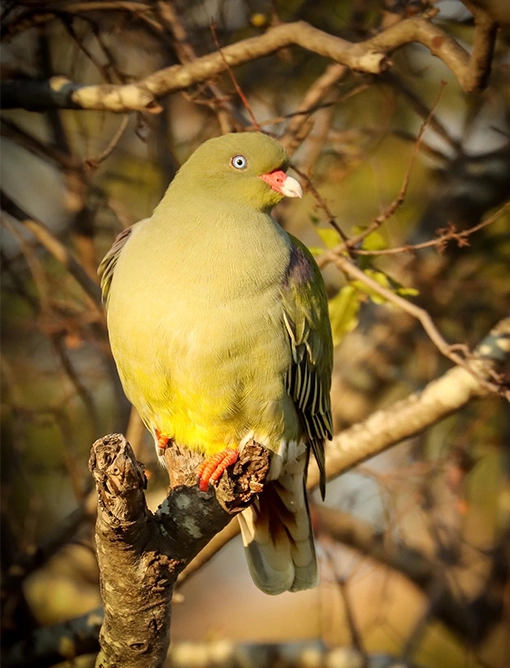
Kruger National Park’s varied habitats support a wide diversity of birds. Rivers, dams, open grasslands, woodland, rocky ridges and dense riverine areas all attract different species.
During a birding safari, guests may encounter:
This diversity means there is always something to look for, whether you are an avid birder or discovering birdwatching for the first time.
What Is a Guided Kruger Birding Safari?
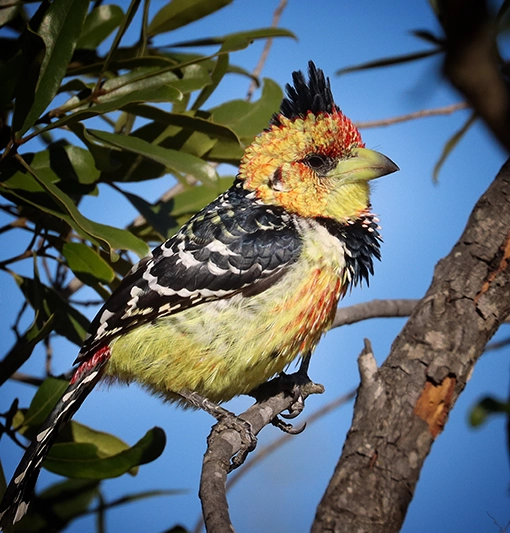
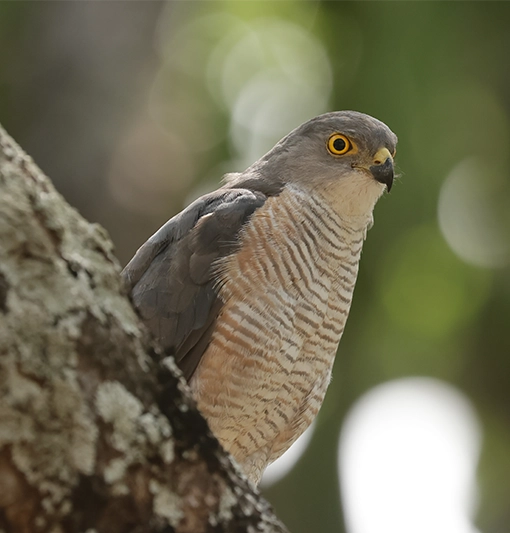
A guided Kruger birding safari is an experience led by someone with knowledge of bird species, calls, habitats and behaviour. This specialised guidance helps guests identify more birds and understand what they are seeing.
Birds can be challenging to spot. They may be small, distant, briefly visible or identified more easily by sound than appearance. A knowledgeable guide can make an enormous difference.
Identifying Birds by Sight and Call
Many birds are noticed first through their calls. A guide who recognises bird sounds can alert guests to species that might otherwise remain hidden. Your guide may help you recognise:
- The call of a fish eagle near water.
- Hornbill calls across the woodland.
- Alarm calls that indicate activity nearby.
- Distinctive notes from smaller, less visible species.
- The movement and feeding habits that help confirm an identification.
This is especially useful for beginner birders, who can gradually build confidence in recognising common Kruger birds.
Understanding Habitat and Behaviour
A birding safari is about more than naming species. Your guide can explain why certain birds are found in particular areas, how they feed, what behaviour they are displaying and how the seasons influence activity.
For example, water sources may attract storks, herons, kingfishers and fish eagles, while open areas may be rewarding for birds of prey and larger ground-dwelling species.
This knowledge makes each sighting more meaningful and helps guests understand where to look during future safari experiences.
The Big 6 Birds of Kruger National Park
While many safari guests search for the Big Five mammals, birders visiting Kruger often hope to see the park’s celebrated Big 6 birds. These sought-after species are impressive, memorable and rewarding to encounter in the wild.
1. Saddle-Billed Stork
The saddle-billed stork is one of Kruger’s most striking waterbirds. Its tall stature and bold red, black and yellow bill make it easy to recognise when seen near rivers, dams or wetland areas. Photographers especially appreciate this bird for its elegant shape and distinctive colouring.
2. Kori Bustard
The kori bustard is a large, ground-dwelling bird usually associated with open areas. Its size and slow, deliberate movement make a sighting especially memorable. Spotting one moving through open bushveld can be a highlight of a birding safari.
3. Martial Eagle
The martial eagle is a powerful bird of prey and an exciting species to find during a safari. It may be seen perched high in a tree or scanning the landscape from above. A good view of this impressive raptor is often a memorable moment for birders and wildlife photographers alike.
4. Lappet-Faced Vulture
The lappet-faced vulture plays an important role in the ecosystem as a scavenger. Its size and distinctive head make it an impressive bird to observe, whether perched or seen around feeding activity. Vultures are an important reminder of the ecological value of every species in the bush.
5. Pel’s Fishing-Owl
Pel’s fishing-owl is one of the more elusive and highly sought-after birds associated with riverine habitats. Its secretive habits make every sighting particularly special. Finding this bird usually requires patience, knowledge of suitable habitat and a good measure of luck.
6. Southern Ground Hornbill
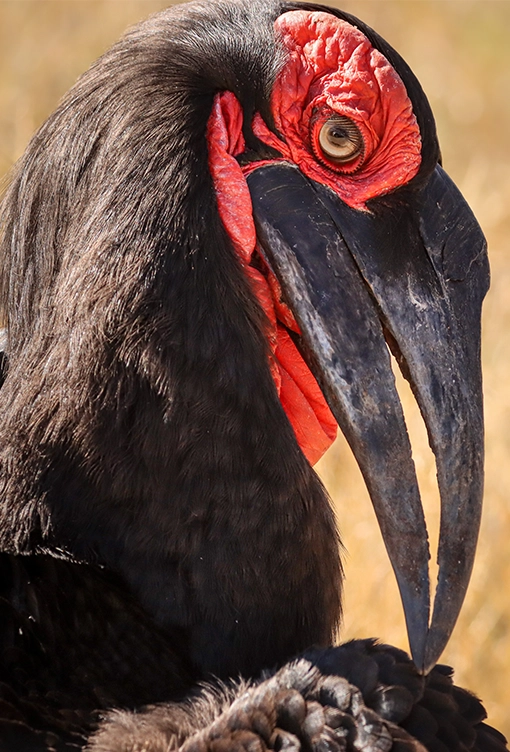
The southern ground hornbill is a charismatic bird often seen walking through open areas in small groups. Its black body, bright red facial skin and deep, carrying call make it unmistakable. Seeing and hearing ground hornbills in the wild is a distinctly African birding experience.
When Is the Best Time for a Kruger Birding Safari?
Birding in Kruger can be rewarding throughout the year, but the seasons influence the landscape, bird activity and variety of species present.
Summer Birding in Kruger
The warmer, wetter months bring lush vegetation, active insects and increased bird activity. Summer is especially exciting for guests hoping to see migratory birds that arrive in southern Africa during this season. A summer Kruger birding safari may offer:
- Migratory species alongside resident birds.
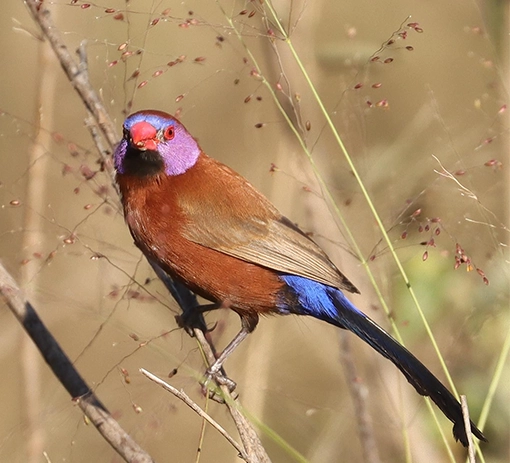
- Colourful breeding plumage.
- Active calling and nesting behaviour.
- Lush photographic backgrounds.
- Rich birding around water and flowering vegetation.
Although thicker greenery can sometimes make birds more difficult to spot, the increased activity and variety can make summer highly rewarding.
Winter Birding in Kruger
During the drier months, the landscape becomes more open and visibility may improve in many areas. Resident birds are still present, and water sources can become important gathering places for wildlife and birdlife.
Winter can appeal to guests who want cooler safari conditions, easier visibility in some habitats and the opportunity to combine birding with strong general game viewing.
Early Mornings Are Especially Rewarding
Bird activity is often at its most noticeable in the morning. The park comes alive with calls, movement and feeding activity as the day begins.
For birders and photographers, an early morning safari offers the added benefit of softer natural light and a peaceful atmosphere in the bush.
Bird Photography on a Kruger Birding Safari
Bird photography is challenging, rewarding and deeply addictive. Birds can move quickly, sit high above the road or disappear within seconds, but the opportunity to capture their colours and behaviour makes the effort worthwhile.
A guided birding safari with a photography focus gives guests time to look for good angles, patient sightings and natural moments.
Photograph Birds in Their Habitat
A close-up image can be beautiful, but birds photographed within their environment can tell a stronger story. Look for opportunities such as:
- A fish eagle perched above a river.
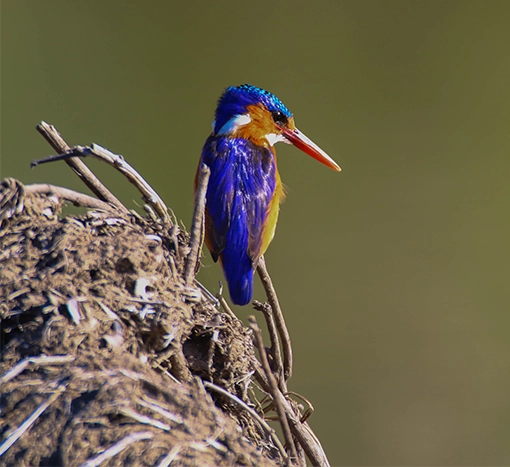
- A kingfisher near water.
- A roller against a clean natural background.
- Vultures circling above the landscape.
- A ground hornbill walking through open grassland.
- Waterbirds reflected in a dam.
These images show both the bird and the wild setting that makes Kruger so special.
Watch for Behaviour
Some of the best bird photographs capture action or natural behaviour rather than a bird simply sitting still. Possible photographic moments include:
- A bird taking flight.
- Feeding or hunting behaviour.
- A pair interacting.
- A bird calling from a perch.
- Birds bathing or drinking.
- Parent birds attending to young.
A patient guide can help you remain with a promising sighting long enough for behaviour to develop naturally.
Prepare Your Photography Equipment
For guests interested in bird photography, preparation makes a difference. Birds may only offer a brief window for a photograph. Useful items include:
- A camera with a telephoto or zoom lens.
- Fully charged spare batteries.
- Additional memory cards.
- A lens cloth for dust.
- Binoculars for spotting birds.
- A power bank when using a smartphone.
- A bird checklist or identification guide.
Guests using smartphones can still capture landscapes, larger birds and meaningful safari memories, especially when working with good light and stable framing.
A Birding Safari for Beginners and Experienced Birders
You do not need to arrive in Kruger with an extensive bird list or advanced identification skills. A guided safari can be enjoyable at every level.
For First-Time Birders
A Kruger birding safari is a welcoming way to discover birdwatching. Beginners can learn how to:
- Spot common birds in different habitats.
- Listen for recognisable calls.
- Use binoculars effectively.
- Notice colour, shape, movement and behaviour.
- Begin keeping a list of species seen.
Birding can quickly turn a quiet moment into an exciting search, giving guests a deeper appreciation for the park.
For Experienced Birders
More experienced birders may prefer a safari focused on specific habitats, target species, photography or longer periods of observation.
A specialist guide can help make the most of available time, local conditions and birding opportunities while acknowledging that wildlife sightings can never be guaranteed.
For Families and Nature Lovers
Birding is also a wonderful safari activity for families. Children can enjoy looking for colourful species, listening to calls and learning how different birds live and feed.
Because birds are present throughout the safari, they provide frequent moments of discovery and help younger guests remain engaged with the natural environment.
What to Bring on a Kruger Birding Safari
The right preparation helps you remain comfortable and ready for sightings throughout your safari.
Recommended Birding Essentials
Consider packing:
Neutral clothing and quiet movement help keep the experience comfortable and respectful in the natural environment.
Bring Patience and Curiosity
Birding is often about slowing down. A small bird hidden in a tree may take time to identify, while a call heard in the distance may lead to an exciting sighting. The more attention you give to the bush, the more it reveals. Every bird sighting, whether common or unusual, becomes part of your Kruger experience.
Ethical Birding and Responsible Wildlife Viewing
Birds and other wildlife should always be observed without disruption. This is especially important during feeding, nesting or sensitive behaviour. Responsible birding includes:
- Keeping a respectful distance from birds and nests.
- Remaining quiet at sightings.
- Avoiding disturbance for the sake of a photograph.
- Allowing birds to behave naturally.
- Following park regulations and guide instructions.
- Respecting the environment and other visitors.
A beautiful sighting is most rewarding when it happens naturally. Ethical birding helps protect the experience for wildlife and for future guests.
Why Book a Kruger Birding Safari with Wild Photo Africa?
Wild Photo Africa offers specialist-guided birding safaris for guests who want to explore Kruger National Park through its remarkable birdlife while still enjoying the full safari experience.
With a focus on bird identification, calls, behaviour, habitat and photography, these safaris are designed for birders, photographers, families and nature enthusiasts seeking a more detailed and personal experience of the park.
Wild Photo Africa’s approach is built around professional guiding, ethical wildlife viewing and time to appreciate each sighting properly. Whether you are hoping to photograph colourful birds, search for Kruger’s Big 6 or simply learn more about the sounds and movements of the bush, a birding safari offers an unforgettable way to experience Kruger.
Book Your Kruger Birding Safari Adventure
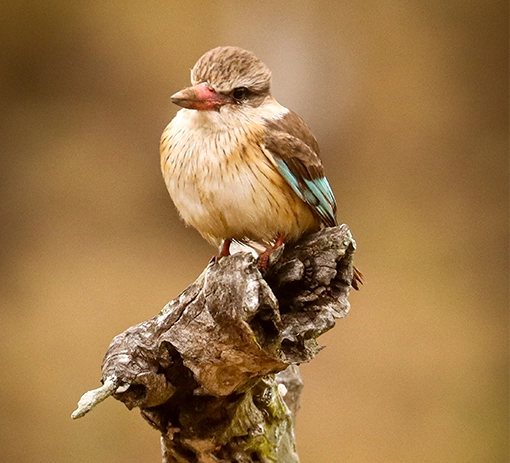
A Kruger birding safari opens your eyes and ears to a side of the park that many visitors overlook. From the smallest colourful birds to powerful eagles and sought-after species, birdlife adds movement, sound and beauty to every safari journey.
With knowledgeable guidance and a respectful approach to nature, Wild Photo Africa helps guests discover the remarkable birdlife of Kruger National Park at a pace that allows every sighting to be enjoyed.
Book your Kruger birding safari with Wild Photo Africa and experience Kruger through its birds, habitats, sounds and unforgettable photographic moments.


