Photographic Safaris & Top African Wildlife Competitions 2026

Top Photography Competitions and Exhibitions for

For photographers eyeing photographic safaris in the Kruger, with an aim to compete in photo competitions, 2026 promises a calendar brimming with opportunities to share their best and wildest moments. 

With entries opening soon, now is the moment to plan that trip, camera in hand, ready to frame stories that resonate worldwide.
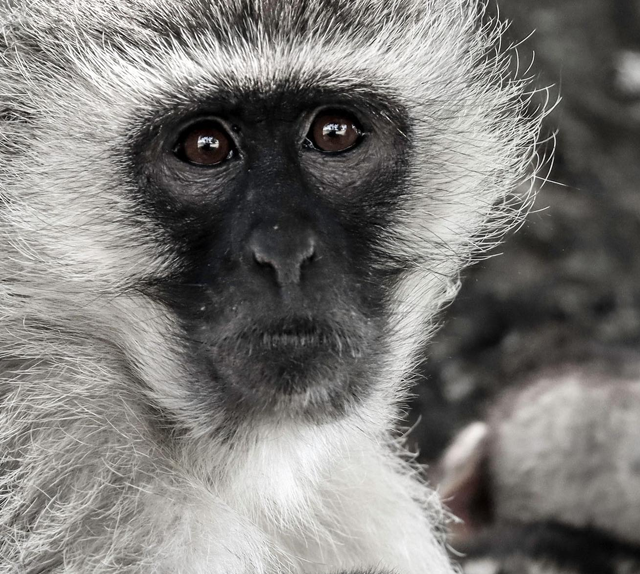
Photo of Vervet Monkey taken on Photographic Safari

What is a Photographic Safari?

A photographic safari revolves around game drives that focus on helping travellers capture images of animals in their natural settings, often with guidance from seasoned pros who know just about everything there is to know about photographing the wild. 

These outings prioritise quiet approaches, optimal lighting, and ethical practices to yield sharp, evocative pictures. 

In places like South Africa, participants might spend hours tracking elephants or birds, learning techniques such as panning for motion or using long lenses for intimate portraits. 

Statistics from the World Wildlife Fund highlight that over 70% of Africa’s iconic species thrive in protected areas, making these safaris ideal for building portfolios rich in authenticity. 

Photographers with stakes of images as well as a deeper connection to conservation.

Where is the Best Place to Take a Photo Safari in Africa?

The Kruger National Park is one of the best places for photo safaris in Africa, thanks to its abundant animal populations and beautifully varied landscapes. 

Covering most of South Africa’s north-east corner, along the border with Mozambique, the Kruger is well-known for being home to the Big Five, as well as almost 150 animal species and over 500 species of birds.

The park’s dry winters from May to September bring creatures of all kinds to waterholes, creating clustered scenes that are just perfect for dramatic compositions. 

For photographers looking for more structured game viewing, tours led by professional photographers ensure access to the best places to see wildlife and they can also give you excellent photography advice so that you can make the most of the Kruger’s unique environment. 
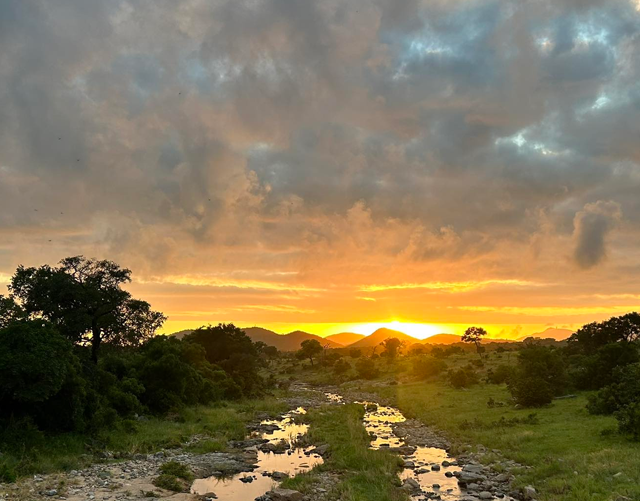
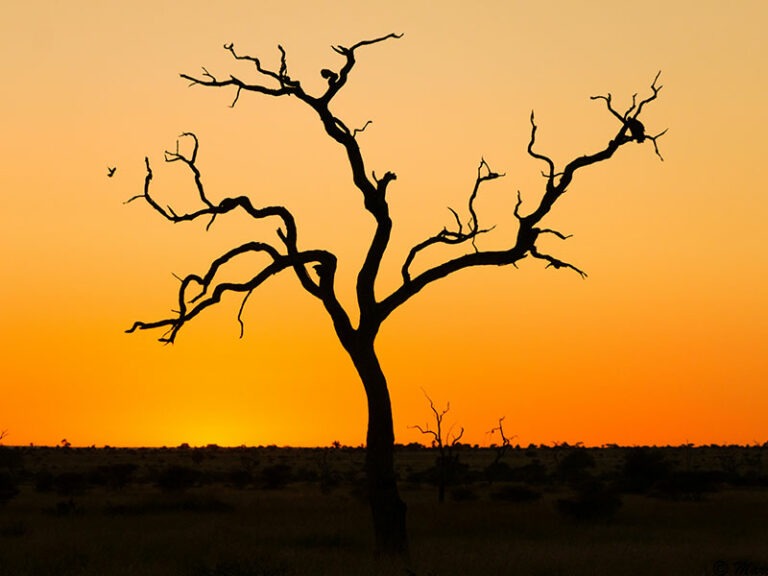
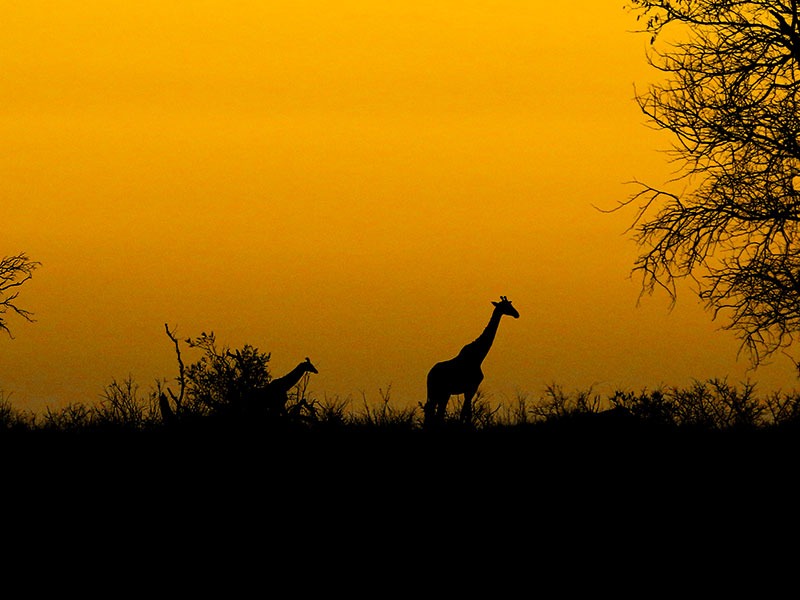
Kruger Sunset photographed on a Photograph safari

List of Competitions for 2026

2026 brings a lineup of prestigious platforms for African wildlife imagery, each with deadlines and themes to spark creativity. Here are standout ones, complete with entry links from trusted organisers:

Africa Geographic Photographer of the Year 2026

This contest celebrates Africa’s animals, scenery, and people. Entries open 16 February to 7 May 2026, with prizes including a primate trek in Rwanda. Ideal for photos of predators or herds.

Wildlife Photographer of the Year 2026

Run by London’s Natural History Museum, it welcomes global submissions but features strong African categories. The competition is free for under-26s from select regions. Past winners include South African hyena shots.

Africam’s Monthly Photo Competition 2026

A rolling series starting January, the competition is themed around subjects like sunrises or interactions. Subscribers can submit virtual or field images of African species. Monthly winners gain community spotlight.

Safari365 Africa Photo Competition 2026

Open to travellers, focusing on wildlife, plants, and landscapes.

For exhibitions, the Wildlife Photographer of the Year 2026 tours globally, including at the Royal BC Museum from February to April, displaying African highlights like Namibian scenes (you can view the schedule here). Another competition to look at is the Discovering African Wildlife Gallery Exhibition in California on 13 February, blending photos with conservation talks (RSVP here).

Many entrants falter on rushed compositions or poor light; a guided photographic safari sidesteps this, by helping photographers hone their skills amid the real action.

At Wild Photo Africa Safaris, we are conservation focused and we are passionate about wildlife photography. 

We travel with small groups, we know the best places to take wildlife images and we can help photographers like you create photo entries that stand out. 

Book a photo safari now and make sure that you bookmark this blog so that you can enter some of these competitions after your safari.

Rhinos seen on Kruger Photography Safari

Frequently Asked Questions

What makes photographic safaris different from regular wildlife tours?

Photographic safaris focus on image-making, with flexible schedules for golden hours and tips from guides on composition and gear, unlike standard tours that prioritise quick sightings.

How can a photo safari in Kruger Park prepare me for 2026 competitions?

The Kruger’s reliable animal encounters allow practice in real scenarios, building a strong portfolio; guided sessions teach ethical approaches valued by judges.

Are there specific tips for beginners on wild photo Africa safaris?

Start with a sturdy tripod for stability, experiment with shutter speeds for motion blur on moving herds, and always respect distances to avoid stressing animals.

What gear is essential for a successful photographic safari?

A telephoto lens (300mm+), weather-sealed camera body, and extra batteries are key; consider a bean bag for vehicle-based stability in bumpy terrain.

Why choose guided photo safaris over self-drive options?

Guides spot elusive subjects and share local knowledge, maximising shot opportunities while ensuring safety and minimal environmental impact.

Ready to Experience the Wild?

Join Wild Photo Africa on an unforgettable photographic safari in the Kruger National Park.
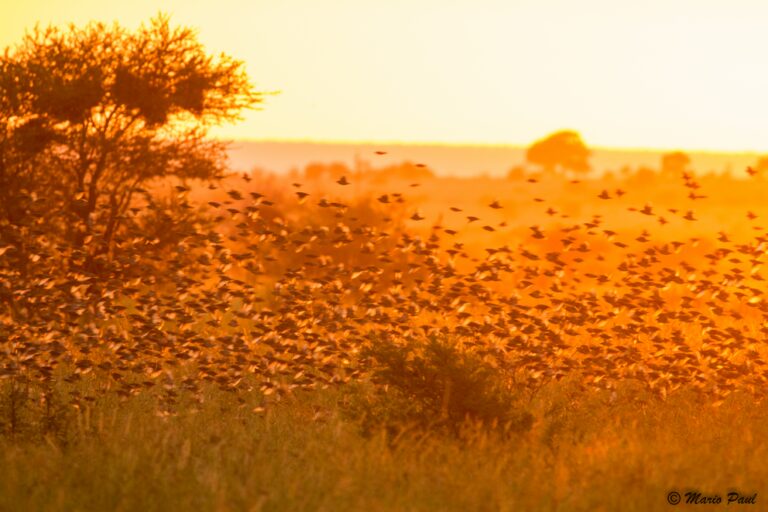
How to Turn Your Kruger Photos into Wall Art

The Kruger National Park, with its vibrant ecosystem and iconic wildlife, is every nature photographer’s paradise.

But capturing those fleeting moments with your lens is just the beginning.

So many photographers take the most incredible images, capturing otherworldly scenes, and after posting them to Facebook and Instagram, leave them to gather digital dust. The best way to preserve your stunning wildlife photos is to print and frame them. 

And that is exactly  the subject of this blog. We’re going to teach you some of the basics for turning your safari snaps into spectacular, storytelling wall art.

The Magic Touch of Editing

Sometimes, with the right settings, your images can come out of camera looking pretty amazing. But most photographers will enhance their images with post editing. 

While basic adjustments like brightness and contrast can make your image pop, you can also experiment with dodging and burning tools to bring out specific details, or use masks to selectively apply colour adjustments. You can also play with curves to achieve specific moods, like a warm, nostalgic glow for a sunset image.

While editing, don’t be afraid to cut and crop! Sometimes, a tighter crop can eliminate distractions and emphasise the raw emotion of the scene. A close-up on a lion’s piercing gaze or an elephant’s wrinkled tusks can create an entirely new image.

And sometimes, stripping away all the colour can reveal the true essence of a scene. When you convert your image to black and white and adjust tones for dramatic shadows and stark contrasts,  your image suddenly turns into a spectacularly fine piece of art.

 A lone giraffe silhouetted against a blazing sunset in monochrome can be breath-taking.

Printing for Posterity

When it comes to printing, especially if you are going to do it yourself, you must choose your paper wisely! 

Different papers offer unique textures and finishes. Glossy papers enhance vibrant colours, while matte surfaces will give the image a timeless elegance. For black and white images, consider textured cotton papers for a rustic feel.

When printing, don’t underestimate the power of scaling. A large-format print of a charging elephant can become the centrepiece of your living room, while a smaller, framed close-up of a leopard’s eyes can create an intimate viewing experience.

Wildlife Safaris

Framing your Masterpiece

The frame you choose shouldn’t compete with your photo, instead you should choose a frame that complements the dominant tones in your image. For example, a warm wooden frame might suit a savannah landscape, while a sleek black frame could enhance a dramatic black and white portrait.

Wood, metal, or even reclaimed materials like barn wood will add personality to your artwork. When selecting your frame, consider the overall aesthetic you’re aiming for and choose accordingly. 

You can also experiment with mat, or passepartout, which can add depth and draw the viewer’s eye towards the image. When doing so try out different widths and colours to find the perfect balance.

Beyond the Basics

Feeling adventurous? Take your photo editing skills a step further by transforming your image into a digital painting using software like Photoshop or Corel Painter. If you have the skills, you can try working with brushes, textures, and color palettes to create a unique, dreamlike version of your Kruger encounter.

Finally, don’t limit yourself! Combine your printed photograph with other mediums like acrylics, watercolors, or even collage elements to create a truly unique and personal piece and let your imagination run wild!

Remember, there are no “right” or “wrong” ways to turn your Kruger photos into art. The only thing you should think about is how you feel about the image. 

Looking for an epic trip into the Kruger, in the company of a professional photographer? Book your next holiday with Wild Photo Africa!

Person taking photos on a Photographic Safari
photography safari holidays

Ready to Experience the Wild?

Join Wild Photo Africa on an unforgettable photographic safari in the Kruger National Park.
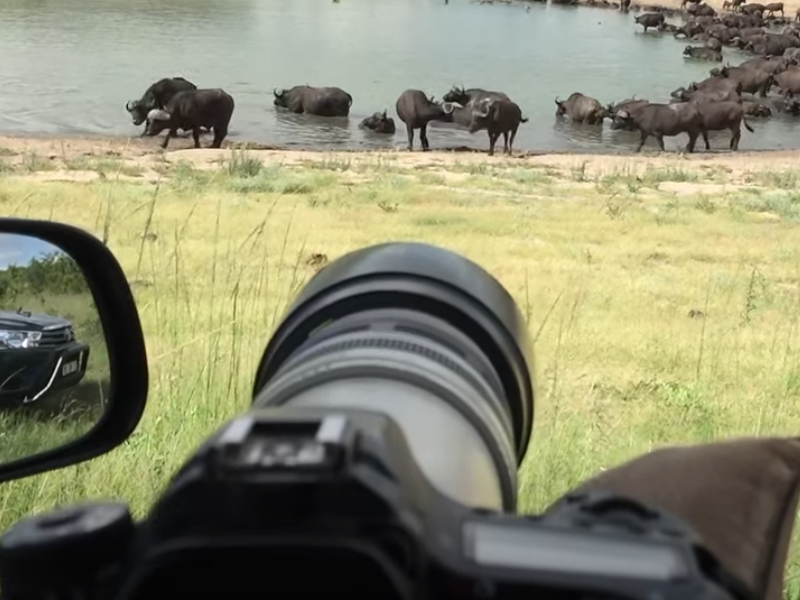
Your 2024 African Wildlife Photography Bucket List

Going on a wildlife photography adventure in Africa is a dream for many shutterbugs, and as we start this beautiful new year, 2024 is the perfect time to plan your ultimate photography bucket list. 

From the iconic to the lesser-known, Africa is a continent teeming with so much stunning and interesting wildlife, promising once-in-a-lifetime opportunities to capture the untamed beauty of the natural world.

So, grab your camera gear and join us as we have a close look at the must-photograph species for your 2024 Africa photo safari.

  1. Majestic Lions – The Real Kings of the Savanna

Capturing the regal presence of lions against the backdrop of the African savanna during the golden hours of sunrise and sunset is the iconic photo bucket list addition. Since lions spend a significant portion of their day resting, you need to have eagle eyes and always be ready with your camera, as you never know when you might see one.

  1. Graceful Giraffes – A Towering Beauty in the Wild

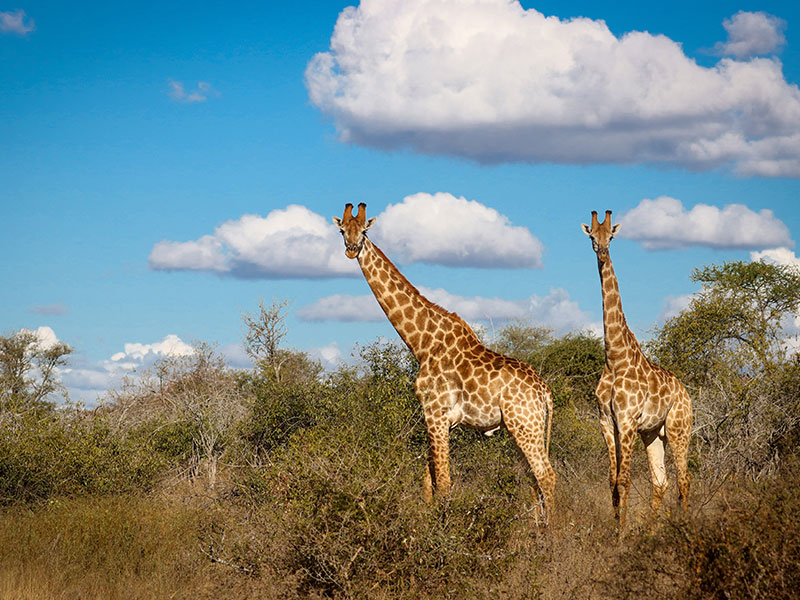
Framing one or a few of these gentle giants as they gracefully move through the landscape, makes for truly captivating compositions. Need a pro tip: Try to experiment with different angles to showcase their distinctive patterns. Each giraffe’s spot pattern is unique, much like a human fingerprint, which makes them interesting animals to photograph.

  1. Enigmatic Leopards – Complete Masters of Stealth

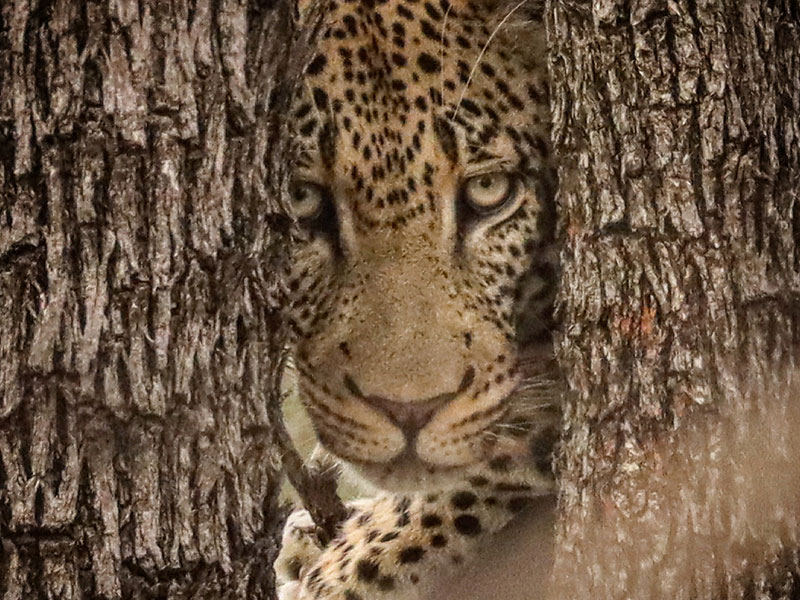
It takes some skill to spot the elusive leopard as it lazes in the dappled shadows of the African bush. One shot worth getting is their intense gaze and agile movements, and the best time of day is during the cool hours of dawn and dusk. 

Want an insider tip? Leopards are skilled climbers so photographing them in trees can result in some striking images, especially if they have dragged a kill up with them.

  1. Playful Elephants – Capture Special Family Bonds

Documenting the loving emotional connections among elephant families as they interact in their natural habitat, is something just about all wildlife photographers hope to capture. If you come across such a scene, don’t be shy about getting creative with compositions that showcase their sheer size and the intricate details of their skin. Elephants have a strong social structure and display a wide range of emotions, making for beautiful photographic moments.

  1. Cheetahs in Action – The Speedsters of the Grasslands

Cheetahs are the fastest land animals, reaching speeds of up to 75 miles per hour.

If you come across a cheetah, you have to seize the opportunity to capture it in full sprint, showcasing their incredible speed and agility. To do so, you might want to use burst mode to catch every nuance of their lightning-fast movements. 

Book Your Africa Photo Safari in 2024

Ready to turn your 2024 wildlife photography bucket list into a reality? 

You can explore the wonders of Africa with one of our expertly guided Africa photo safaris. Our experienced team ensures you have the best opportunities to capture these iconic species in their natural habitats. Contact us today to book your adventure and unlock the next chapter in your wildlife photography journey.

An unforgettable photographic safari, where every click of your camera brings you closer to the untamed beauty of Africa, is an experience every photographer should have.

Let’s make 2024 the year you capture the magic of the wild like never before!

Person taking photos on a Photographic Safari
photography safari holidays

Ready to Experience the Wild?

Join Wild Photo Africa on an unforgettable photographic safari in the Kruger National Park.
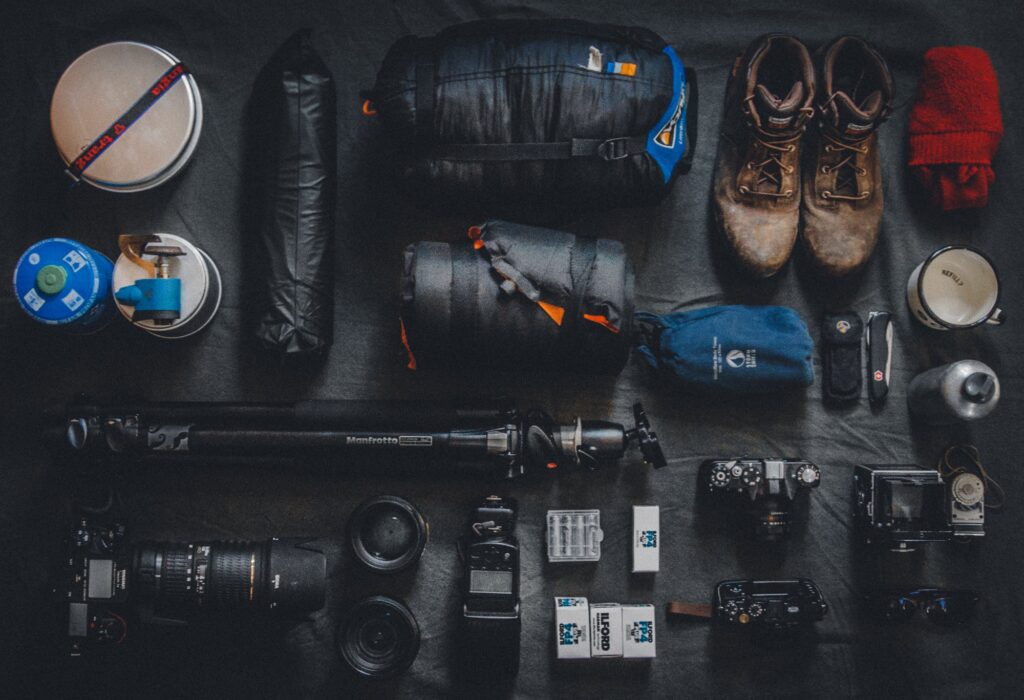
Must-Have Camera Gear to Buy for your 2024 Africa Photo Safari

It is the most wonderful time of the year…to treat yourself to some new camera gear. 

Your gear will be useful long after your African photo safari, so when you are looking to buy some new toys for yourself this holiday season, think of it as an investment into your passion, rather than an expense. 

The Essential Camera Gear for Wildlife Photographers

A New Camera Body

Investing in a camera body, one suited for wildlife photography is the cornerstone of your gear ensemble, but not something you will need to buy every year. This is an every 10 years sort of investment, especially if you are just enjoying photography as a hobby.

While flagship models boast impressive features, there are affordable alternatives that deliver exceptional performance. 

Look for a camera with fast autofocus capabilities, burst shooting, and a decent ISO range. Brands like Nikon and Canon offer entry-level DSLRs and mirrorless cameras that strike a perfect balance between performance and affordability.

A Versatile Zoom Lens

Wildlife photography often demands capturing subjects at varying distances. 

Owning a versatile, but high-quality, zoom lens, with a focal range between 70-300mm, is a game-changer. This lens allows you to shoot everything from wide-angle shots of landscapes to close-ups of elusive creatures. To save money, you can buy a second-hand lens, as they can offer comparable performance at a fraction of the cost. Make sure that when you shop for second hand lenses, you buy from a trusted company. 

A Tripod

A lightweight and sturdy tripod can be your best friend when it comes to wildlife photography. 

A tripod provides stability for those crisp, clear shots, especially when using longer focal lengths. Look for a compact and portable option, one that is perfect for on-the-go photographers. Also, look for one with a quick-release plate, as this makes it easy to switch between handheld and tripod shooting, ensuring you’re always ready to capture that fleeting moment.

A Sturdy Camera Bag

Carrying camera gear doesn’t have to be a burden when you have a well-designed camera bag that accommodates your equipment, while offering the comfort and accessibility you need. 

A backpack with customisable compartments that allow you to organise your gear efficiently is extremely popular. Whatever bag you choose, make sure that it is weather-resistant to protect your precious equipment from unexpected elements during your wildlife adventures.

A Circular Polariser Filter

This handy accessory reduces reflections and glare, allowing you to capture clear images even in challenging lighting conditions. It’s particularly beneficial when photographing subjects in or around water, and what’s more, is that they are really cheap!

A Remote Shutter Release

Wildlife photography often involves waiting patiently for the perfect moment. With a remote shutter release, you can capture shots without disturbing your subjects. This small yet invaluable tool also eliminates the need to touch your camera, reducing the risk of camera shake, and ensuring a clear image. 

A Lens Cleaning Kit

Nature can be unpredictable, and your gear might encounter dust, rain, or fingerprints. A lens cleaning kit is a budget-friendly essential that will keep your glass in pristine condition. Ensure that your kit includes a gentle cleaning solution, microfiber cloths, and a blower brush to maintain crystal-clear views for every shot.

Remember, it’s not about the size, brand or price of your gear but the passion and skill you bring to the lens. So, gear up, venture into the wild, and let your camera tell the stories of the incredible creatures that roam Africa. 

Happy shooting in the new year! We hope to see you for your nextAfrica photo safari.

Person taking photos on a Photographic Safari
photography safari holidays

Ready to Experience the Wild?

Join Wild Photo Africa on an unforgettable photographic safari in the Kruger National Park.
How to do Wildlife Photography in Harsh Summer Sunlight

Any wildlife photography adventure, especially one that takes you into the wilderness of Africa, can be an exhilarating and challenging experience. But the harsh summer sunlight, which is prevalent in many regions of Africa, poses a unique set of challenges for capturing that perfect shot. 

For aspiring wildlife photographers going on an African photo safari, having some tips and tricks will allow you to use the intense sunlight to your advantage and create stunning images that put the beauty of the animal kingdom on full display. 

Here are some helpful tips that you can use on your next Africa photographic safari:

Use the Golden Hour

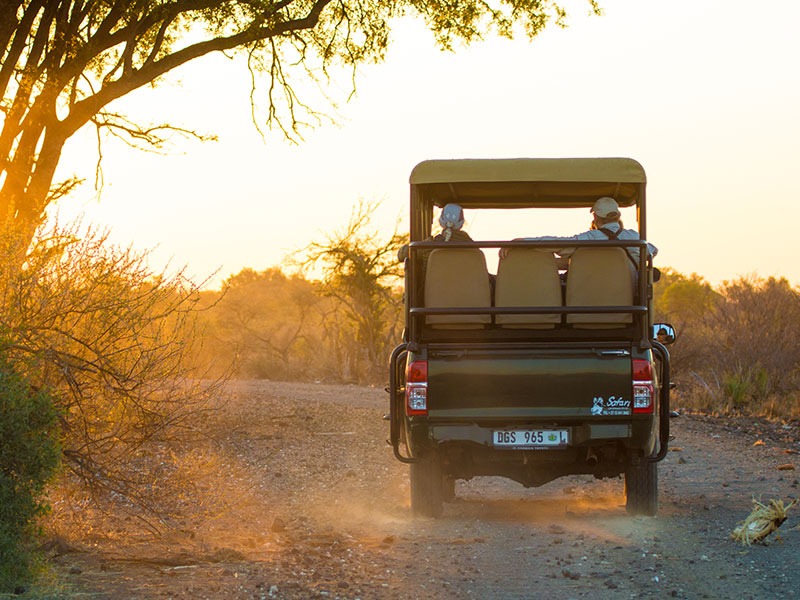
The harsh midday sun can cast strong shadows and create harsh contrasts in your photographs. When you instead choose the golden hours around sunrise and sunset when the sun is lower in the sky, casting a warm, soft glow on the landscape, to take your photos you can reduce the harshness of overhead sunlight.

Master Exposure Control

Achieving the correct exposure is a must in harsh sunlight. You should experiment with your exposure compensation to avoid overexposure, especially when photographing light-coloured animals. To do this you can use your camera’s spot metering mode to measure the light on your subject specifically, ensuring that the details are well-preserved.

Use Fill Flash

When dealing with intense overhead sunlight, shadows can become overly pronounced and this makes using fill flash to illuminate the shadows and reveal hidden details in your subjects really helpful. This technique is particularly effective when capturing wildlife portraits or when the sun is directly behind your subject.

Get the Right Equipment

Lens hoods were made to shoot in harsh lighting as they are designed to minimise lens flare caused by the harsh sunlight. Additionally, you can try using a circular polariser to reduce reflections and enhance the colour saturation. This should add some vibrancy to your wildlife photographs. You can also try using a tripod. This tool can provide stability and precision, especially during extended shooting sessions.

Focus on Composition

The harsh sunlight can make colours appear more saturated and textures more pronounced. You should make the most of these conditions to capture more intricately detailed shots of wildlife, emphasising the contrast between light and shadow. 

Pay Attention to Animal Behaviour

The intense summer heat can heavily influence the behaviour of wildlife. Animals tend to seek shade or water to cool down, providing you with opportunities to capture unique moments but only if you are patient, take the time to observe their movements, and anticipate actions that can result in amazing photographs.

Understand the Dramatic Effects of Light

All photography is about the lighting and although summer sunlight can be intense, the harsh sunlight can create dramatic effects in your images. Silhouettes against a bright sky, animals illuminated by the warm glow of the sun, and shadows casting interesting patterns, lead to some of the best and most memorable photos. 

Why an Africa Photo Safari is the Ultimate Wildlife Photography Experience

For those passionate about wildlife photography, an Africa photo safari presents an unparalleled opportunity to capture the majesty of the continent’s diverse fauna. Whether you’re drawn to the iconic Big Five or the myriad bird species, an Africa photo safari offers an incredible experience.

Ready to go on the adventure of a lifetime? Book your Africa photo safari today and witness the raw power of the wildlife, explore breathtaking landscapes, and capture images that tell a story of nature at its most enchanting. 

Person taking photos on a Photographic Safari
photography safari holidays

Ready to Experience the Wild?

Join Wild Photo Africa on an unforgettable photographic safari in the Kruger National Park.
Why the Kruger National Park is still a Photographer’s Paradise

Stretching over two million hectares and packed full of untamed beauty, the iconic Kruger National Park has quite rightfully earned its reputation for being a photographer’s paradise.

With the Park’s diverse wildlife, its utterly breathtaking landscapes, and some really dynamic lighting conditions, the stunning Kruger offers a cornucopia of unique photographic opportunities that are guaranteed to inspire both amateur and professional photographers.

If you are selecting a destination, and the Kruger Park is one you are keen on exploring, here’s why this wildlife habitat is a photographer’s paradise:

Biodiversity Beyond Imagination

The most famous aspect of the Kruger, and why it has that photographic allure, is its astonishing biodiversity. 

The park is home to a staggering array of wildlife, which includes the famed “Big Five” as well as a variety of other endangered species. These majestic creatures, along with countless other species such as cheetahs, hippos, and crocodiles, grace the landscape and provide endless opportunities to capture the wildlife in their natural habitat.

Landscapes that Inspire

Beyond the fauna, the Kruger boasts one of the most diverse landscapes, each of which serves as a picture-perfect backdrop for epic photography. 

From rolling grassy savannahs, which are green in summer and golden in winter, to dense woodlands home to lazy leopards, from meandering croc and hippo-invested rivers to arid plains, the park’s varied terrain will give you the ideal opportunity to create a stunning portfolio that showcases Africa’s grandeur in all its forms.

Magical Lighting Conditions

Even an amateur photographer will understand the all important role that light plays in creating memorable images, and Kruger certainly doesn’t disappoint in this regard. 

The park’s location and weather patterns result in a kaleidoscope of lighting conditions that will give each photo a unique look and feel. 

The golden sunrises and fiery sunsets cast a warm and flattering glow over the landscape and its inhabitants, while the soft, more even light of overcast days provides ideal conditions for capturing intricate details and textures.

Wildlife in Action

Kruger’s wildlife isn’t merely a static subject. It’s a living, breathing spectacle of nature in motion. From the swift chase of a cheetah to the gentle grace of a giraffe, the park offers unrivalled opportunities to capture animals in their various states of action – whether it’s hunting, playing, or nurturing their young.

A Birdwatcher’s Paradise

For those bird enthusiasts and photographers with a specific interest in this subject, the Kruger is one of the best places to view all sorts of bird species. 

The park is home to well over 500 bird species, with the diverse species ranging from the strikingly colourful lilac-breasted roller to the majestic African fish eagle. Whether you’re a seasoned birder or a novice with a camera, the Kruger is one of those places that offers a wealth of opportunities to capture these winged wonders in full flight, perched on a branch, or during their intricate courtship displays.

Close Encounters with Nature

The Kruger’s well-maintained network of roads and established waterholes, dams and rivers, offers photographers so much access to wildlife. 

You can safely get up close to animals in their natural habitat, and capture intimate and unobtrusive shots of their daily lives. The close up encounter can become even more intimate if you have the appropriate telelens. 

The Thrill of the Chase

Photography in the Kruger is akin to embarking on an exciting and unexpected treasure hunt. 

The anticipation of spotting a rare leopard or capturing the graceful flight of an eagle is the thrill that keeps photographers returning time and again. 

Remember, your patience and perseverance will rewarded with images that tell stories of the wild, but animals don’t appear on schedule. 

Opportunities for All Skill Levels

Whether you’re an amateur armed with a smartphone or a professional equipped with the latest DSLR, the Kruger caters to photographers of all skill levels. With so much to see in the park, it allows you to experiment with different photography techniques, from wildlife close-ups to wide-angle landscape shots, ensuring that you leave with your own unique visual story.

At Wild Photo Africa, we offer our guests a unique opportunity to capture the wonders of the Kruger National Park, all while in the company of a professional wildlife guide and photographer. Book your Africa Photography tour through our website today. 

Person taking photos on a Photographic Safari
photography safari holidays

Ready to Experience the Wild?

Join Wild Photo Africa on an unforgettable photographic safari in the Kruger National Park.