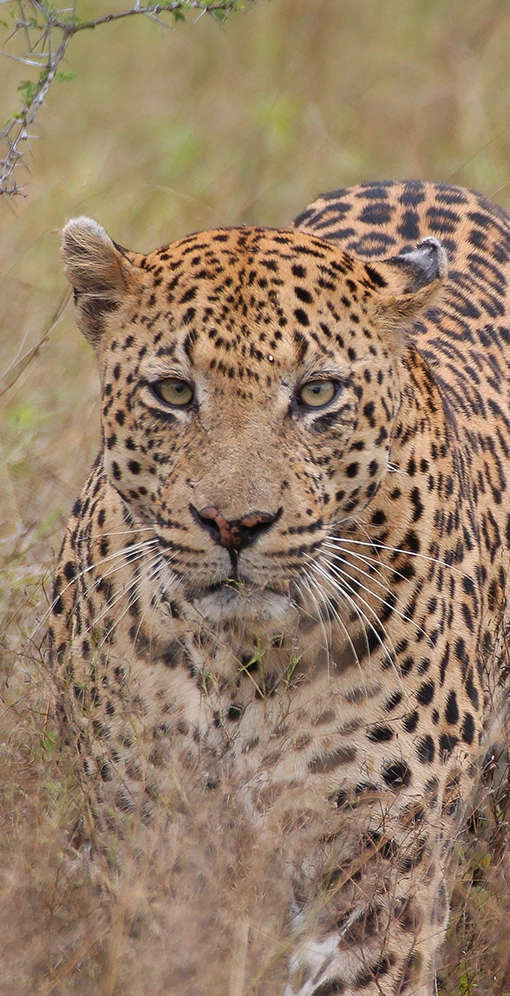
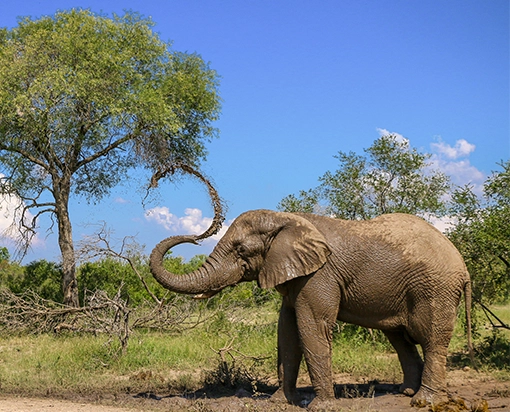
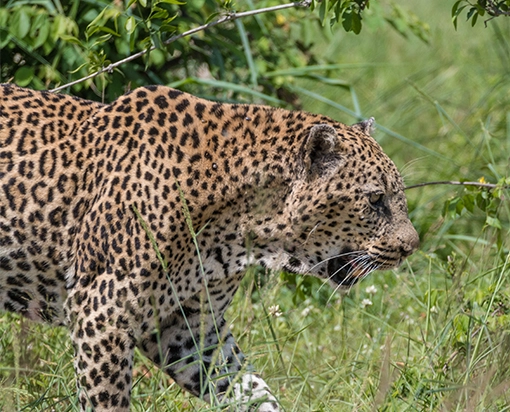
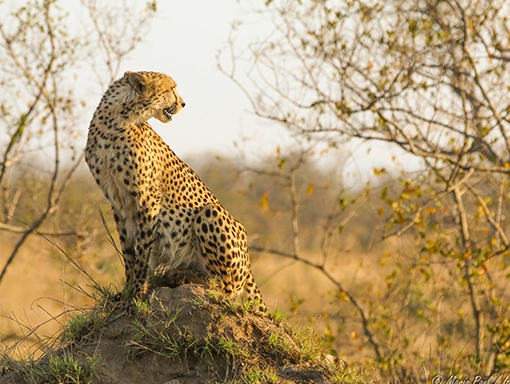
Overnight Kruger Safari: Experience the Park Beyond a Day Drive

Overnight Kruger Safari Experience

There is something unforgettable about spending more than a few hours in Kruger National Park. A day safari introduces you to the wildlife and landscapes of the park, but an overnight Kruger safari gives you time to experience its changing moods, early morning stillness and the anticipation of another day in the bush.

Instead of entering and leaving the park in a single day, an overnight experience allows the safari journey to unfold at a slower, more rewarding pace. You can explore different areas, enjoy more opportunities for wildlife sightings, work with changing light for photography and appreciate the sounds and atmosphere of Kruger after a full day of discovery.

With Wild Photo Africa, an overnight safari is designed for guests who want a deeper connection with the park. Whether your interests lie in wildlife, photography, birding or simply spending meaningful time in nature, staying longer creates space for experiences that cannot be rushed.

What Is an Overnight Kruger Safari?

An overnight Kruger safari is a guided experience that extends beyond a single day in the park. Guests spend one or more nights as part of their Kruger journey, allowing more time to explore wildlife-rich areas, enjoy different safari drives and experience the natural rhythm of the bush over several days.

Wildlife is unpredictable, and this is part of the excitement. A longer safari does not guarantee specific sightings, but it offers more time to be present when memorable moments happen naturally.

More Time in the Kruger Wilderness

An overnight safari allows you to enjoy Kruger without feeling that every sighting must fit into a single day. There is more opportunity to appreciate:

  • Early morning wildlife movement and bird calls.
  • Different landscapes and habitats within the park.
  • Changing light for wildlife and landscape photography.
  • Time spent observing animal behaviour.
  • A wider range of birdlife and smaller wildlife.
  • The atmosphere of being immersed in the African bush.

Rather than experiencing Kruger as a quick visit, you become part of its daily rhythm for a little longer.

A Safari Experience Shaped Around Your Interests

Every guest comes to Kruger with different hopes. Some visitors dream of seeing elephants, lions or leopards. Others want to photograph birds, learn about animal behaviour or simply enjoy time away from the noise of everyday life.

An overnight safari can be especially rewarding for:

Couples seeking a memorable wildlife getaway.
Families wanting a deeper safari adventure.
Photographers who need time and varied light.
Birders interested in different habitats and species.
International visitors wanting to make the most of their time in South Africa.
Wildlife enthusiasts who prefer a slower, more immersive safari.

Why Choose an Overnight Kruger Safari Instead of a Day Trip?

A day safari can be an excellent introduction to Kruger National Park, but an overnight safari creates opportunities that are difficult to experience in only a few hours.

Experience More Than One Safari Day

Every day in Kruger is different. The animals seen on one drive may be completely different from those encountered the next morning. Weather, temperature, water availability and natural movement all influence the experience.

By spending more time in the park, you have the opportunity to enjoy multiple safari sessions and a broader range of possible encounters.

One day may bring a peaceful elephant sighting near water. The next morning may begin with lions on the move, colourful birdlife in soft light or giraffes feeding quietly beside the road.

Enjoy the Bush at a More Relaxed Pace

A shorter safari often creates pressure to find as much as possible before leaving the park. An overnight journey encourages a calmer approach.

There is time to stop and watch animals behaving naturally, rather than immediately moving on in search of the next sighting. An elephant herd interacting, buffalo gathering near water or birds feeding around a dam can be just as rewarding as finding an iconic predator.

Discover Different Landscapes and Habitats

Kruger National Park includes rivers, dams, woodland, open grassland, rocky areas and dense riverine vegetation. Different habitats support different wildlife and birdlife.

An overnight safari gives your guide more opportunity to explore a variety of environments, depending on the chosen itinerary, current conditions and your interests.

What Wildlife Could You See on an Overnight Safari?

Kruger is home to an extraordinary variety of wildlife. Many guests hope to encounter the Big Five: lion, leopard, elephant, buffalo and rhino. These sightings are always exciting, but an overnight safari encourages a fuller appreciation of the park.

Large Mammals and Iconic Safari Sightings

During your journey, you may encounter:

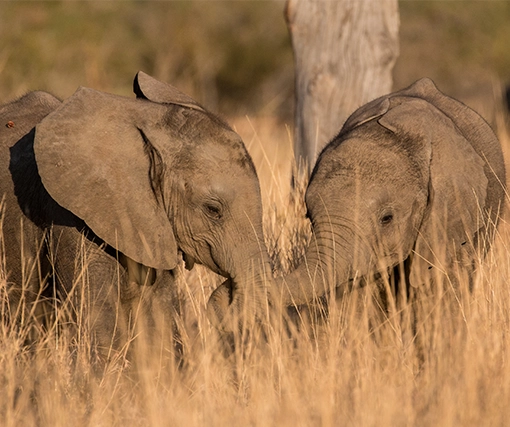
  • Elephant herds moving through the bush or visiting water.
  • Giraffes feeding among the trees.
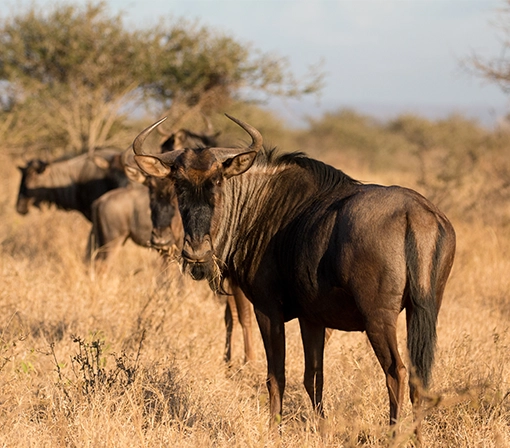
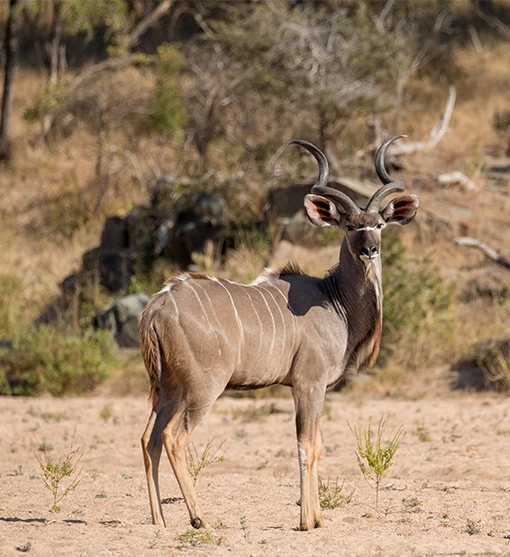
  • Zebra, wildebeest, kudu and impala in open areas.
  • Buffalo moving in groups.
  • Hippos and crocodiles near rivers or dams.
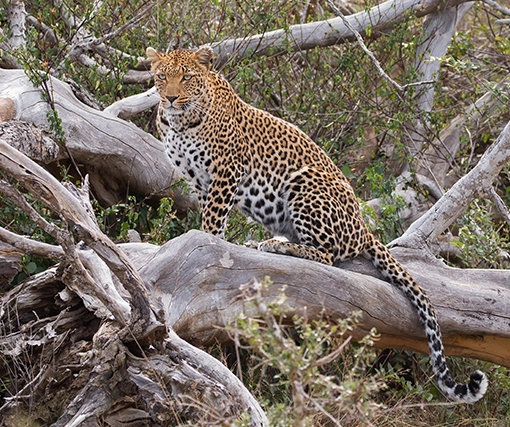
  • Lions, leopards, hyena, wild dogs or cheetah, when fortunate.

Each sighting is different. Watching animals behave naturally in their environment is what makes the experience meaningful.

Birdlife and Smaller Wildlife

An overnight safari is also an ideal opportunity to notice the many smaller details of Kruger. Birdlife can be particularly rewarding, with colourful, dramatic and unusual species encountered throughout the park. Guests may enjoy spotting:

  • Fish eagles near rivers and dams.
  • Hornbills and rollers along woodland routes.
  • Kingfishers around water.
  • Vultures and eagles overhead.
  • Storks, herons and waterbirds.
  • Ground-dwelling birds and smaller bushveld species.

Reptiles, insects, animal tracks, trees and seasonal plants also contribute to the story of the park.

The Rhythm of an Overnight Kruger Safari

One of the greatest benefits of staying longer is experiencing how the bush changes throughout the day.

Early Morning Safari Drives
Early mornings in Kruger are often filled with anticipation. The light is soft, the air is cooler and the park begins to wake with birdsong and movement. Animals may be more active before the day warms, creating valuable opportunities for wildlife viewing and photography. For many guests, these early hours become one of the most memorable parts of an overnight safari.

Daytime Exploration and Observation
During warmer hours, the experience may shift towards water sources, shaded areas, birdlife and quieter observation. Animals may rest, drink or move slowly through the landscape. This part of the day offers time to learn from your guide, understand habitats and appreciate wildlife behaviour beyond dramatic sightings.

The Atmosphere of Staying in the Park
An overnight safari carries a different feeling from a quick visit. After a full day of game viewing, the awareness that you are still surrounded by the Kruger wilderness adds to the experience. The sounds of the bush, the anticipation of the next morning and the feeling of being immersed in nature make an overnight journey especially memorable.

Overnight Kruger Safaris for Wildlife Photography

For photography enthusiasts, staying longer in Kruger offers valuable advantages. Wildlife photography is shaped by light, patience, behaviour and being ready when a moment develops.

More Opportunities to Work with Light

An overnight safari provides access to multiple early mornings and changing conditions. This gives photographers more opportunities to capture:

  • Animals in gentle morning light.
  • Wildlife within changing landscapes.
  • Birds in natural habitat.
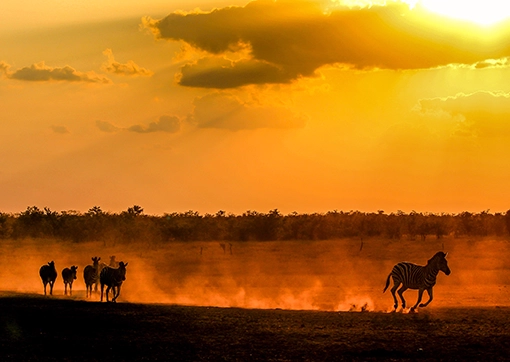
  • Dust, reflections and atmospheric scenes.
  • Animal interaction and behaviour.
  • Wide images that show the scale of the bush.

No photographic moment can be guaranteed, but additional time allows you to respond to more of what Kruger offers.

Patience at Wildlife Sightings

Some of the strongest wildlife images develop gradually. A lion may stand after resting. An elephant calf may move into view. A bird may begin feeding or take flight. A leopard may change position in a tree.

On a photography-focused overnight safari, there is greater appreciation for waiting quietly and allowing behaviour to unfold naturally.

Photograph the Full Safari Story

An overnight journey allows you to capture more than individual animal portraits. Your photographs can tell the wider story of the experience:

  • Early light on the road ahead.
  • Wildlife in its natural surroundings.
  • Birdlife and smaller bush details.
  • Changing weather and landscape.
  • Quiet moments between major sightings.
  • The feeling of spending extended time in Kruger.

These images often become the most meaningful memories of the trip.

Overnight Safaris for Birders and Nature Enthusiasts

Guests interested in birding can benefit greatly from an overnight Kruger safari. The park’s habitats support a remarkable variety of bird species, and spending additional time in different areas increases opportunities for observation.

More Birding Time Across Different Habitats

Birdlife can vary depending on the habitat, season and time of day. An overnight experience provides time to explore areas near water, woodland routes, open landscapes and riverine environments. Birders may enjoy searching for colourful smaller species, waterbirds, raptors and some of Kruger’s more sought-after birds.

A Slower Safari Experience

Birding rewards patience and attention. It encourages guests to listen carefully, observe movement and appreciate the quieter parts of the bush. An overnight safari allows nature lovers to enjoy this slower style of exploration while still experiencing Kruger’s mammals, landscapes and larger wildlife encounters.

Is an Overnight Kruger Safari Suitable for Families?

An overnight safari can be a meaningful experience for families who want to explore Kruger together. It offers children and adults the chance to learn about wildlife, observe animals in their natural environment and share the excitement of each new sighting.

Create Lasting Family Memories

Children may remember the first elephant they saw, the sound of birds in the morning, a giraffe beside the road or the thrill of looking for predators.

An overnight safari can help families experience:

More time together in nature.
Educational wildlife encounters.
Opportunities to ask questions and learn from a guide.
A break from screens and daily routines.
Shared memories built around adventure and discovery.

Choose the Right Experience for Your Group

When travelling with children or older family members, it is important to select an itinerary suited to the comfort and interests of the group.

Wild Photo Africa can help guests choose a guided overnight safari experience that suits their safari goals, whether the priority is wildlife viewing, photography, birding or family time.

When Is the Best Time for an Overnight Kruger Safari?

Kruger National Park can be enjoyed throughout the year. Each season creates a different safari atmosphere.

Dry Season Wildlife Viewing

During the drier months, vegetation is often thinner and animals may gather closer to water sources. This can be rewarding for wildlife viewing and photography.

The landscape takes on warm, earthy colours, while dust and golden light can create beautiful photographic atmosphere.

Early mornings may be cold during this season, so warm layers are important.

Green Season Landscapes and Birdlife

Following summer rainfall, the park becomes green and vibrant. This season can be particularly rewarding for guests interested in birding, lush landscapes, dramatic skies and young animals.

Although thicker vegetation may make certain sightings more challenging, the beauty and activity of the bush can make green season safaris exceptional.

The Benefit of Staying Longer in Any Season

Whichever season you choose, an overnight safari gives you more time to adapt to the conditions and enjoy what the park offers during your visit.

A quiet first drive does not define the experience. The following morning may reveal completely different wildlife activity, light and opportunities.

What to Pack for an Overnight Kruger Safari

Packing well helps ensure that you remain comfortable and prepared throughout your overnight safari.

Essential Safari Items

Consider bringing:

  • Comfortable, neutral-coloured clothing.
  • A warm jacket or fleece for early morning drives.
  • Lightweight clothing for warmer daytime conditions.
  • A hat, sunglasses and sunscreen.
  • Comfortable shoes.
  • Binoculars.
  • A camera or smartphone.
  • Spare batteries, memory cards and a power bank.
  • Personal toiletries and medication.
  • A small day bag for items needed during drives.

Layered clothing is practical because temperatures can change significantly between early mornings and warmer daytime hours.

Photography and Birding Items

For guests focusing on photography or birding, useful additions may include:

  • A zoom or telephoto lens.
  • A lens cloth and protective camera bag.
  • Additional storage for photographs.
  • Binoculars.
  • A bird identification guide or checklist.
  • A notebook or app for recording sightings.

Bring equipment that is comfortable and practical to use. The best safari experience is one where you can remain present and enjoy the moment, rather than feeling burdened by too much gear.

Responsible Wildlife Viewing on an Overnight Safari

Spending extended time in Kruger is a privilege. Every safari encounter should be enjoyed respectfully and without interfering with the natural behaviour of animals or birds.

Ethical safari behaviour includes:

  • Maintaining a safe and respectful distance from wildlife.
  • Remaining quiet and patient at sightings.
  • Never pressuring animals for a better photograph.
  • Avoiding disturbance to birds, nests or feeding animals.
  • Following park rules and your guide’s instructions.
  • Respecting other visitors enjoying the wilderness.

Wild Photo Africa’s safari approach is built around calm, ethical wildlife viewing. The most rewarding moments are those that happen naturally, with the animals free to behave as they would without disturbance.

Why Book an Overnight Kruger Safari with Wild Photo Africa?

Wild Photo Africa offers guided overnight safaris for guests who want to experience Kruger National Park in a deeper, more immersive way.

Based in White River, the company focuses on carefully guided safari experiences shaped around wildlife viewing, photography, birding and personal attention. Instead of rushing through the park, guests are encouraged to observe, learn and appreciate the moments that make the bush unforgettable.

An overnight Kruger safari with Wild Photo Africa is ideal for travellers who value:
  • Professional, knowledgeable guiding.
  • Ethical wildlife viewing.
  • More time in Kruger National Park.
  • Photographic and birding opportunities.
  • A calm, personal and rewarding safari journey.

Book Your Overnight Kruger Safari Adventure

An overnight Kruger safari offers more than additional time in the park. It offers a fuller experience of the wilderness: early morning light, changing landscapes, patient wildlife encounters, bird calls, photographic moments and the sense of being surrounded by the African bush.

Whether you are planning a wildlife adventure, photography journey, birding experience or meaningful safari getaway, Wild Photo Africa can help you discover Kruger at a pace that allows the park to reveal its true character.

Book your overnight Kruger safari with Wild Photo Africa and experience more of the wildlife, beauty and unforgettable atmosphere of Kruger National Park.

Full Day Kruger Safari: Why a Full Day in the Park Is Worth It

Full Day Kruger Safari Experience

A full day Kruger safari gives you the one thing every wildlife experience needs: time. Time to watch the bush come alive in the early morning, time to explore different habitats, time to pause at meaningful sightings and time to enjoy the unexpected moments that make Kruger National Park unforgettable.

A shorter safari can offer wonderful encounters, but a full day in the park allows the experience to unfold more naturally. Wildlife activity changes throughout the day. A quiet road may lead to elephants at a waterhole, lions resting in the shade, giraffes feeding among the trees or a remarkable bird sighting that you would never have planned.

With Wild Photo Africa, a full day safari is guided with patience, knowledge and respect for the natural environment. Whether you are visiting Kruger for the first time, travelling with family, interested in photography or simply want a fuller wildlife experience, spending the day in the park gives you the best opportunity to appreciate the rhythm of the bush.

What Is a Full Day Kruger Safari?

A full day Kruger safari is a guided game-viewing experience that gives guests extended time inside Kruger National Park. Rather than limiting the journey to only a few morning or afternoon hours, the safari allows you to experience different parts of the day, explore more of the park and enjoy a wider range of possible sightings.

Your guide uses knowledge of the environment, weather, wildlife movement and current conditions to make the day as rewarding as possible. Because animals move freely, sightings cannot be guaranteed, but having more time in the park improves the opportunity to enjoy a varied and meaningful safari.

A More Complete Kruger Experience

A full day safari is ideal for guests who do not want to feel rushed. The day may include exciting wildlife sightings, relaxed observation, birding, photographic opportunities and stops to take in the surroundings.

Instead of viewing the park as a quick excursion, you have time to experience:

  • The cooler, quieter atmosphere of early morning.
  • Wildlife moving, feeding or gathering near water.
  • Different habitats and changing landscapes.
  • Birdlife and smaller animals along the route.
  • Time at sightings when something special is unfolding.
  • The changing light and mood of the bush throughout the day.

A full day in Kruger is not only about seeing more. It is about experiencing more.

Why Choose a Full Day Safari in Kruger National Park?

Kruger is vast, and every area of the park can offer something different. The longer you spend exploring, the greater your opportunity to enjoy the variety that makes this destination so special.

More Time for Wildlife Sightings

Nature follows its own schedule. A safari may begin with quiet roads and gradually build into an unforgettable sequence of sightings. Alternatively, an extraordinary encounter may happen within the first hour, followed by a day of appreciating birds, landscapes and other wildlife. A full day gives you time to remain open to whatever Kruger reveals. You may see:

  • Elephants moving through the bush or gathering near water.
  • Giraffe, zebra, kudu, impala and wildebeest.
  • Buffalo moving through open areas.
  • Hippos and crocodiles near rivers or dams.
  • Lion, leopard, hyena, cheetah or wild dog, when fortunate.
  • Eagles, hornbills, rollers, kingfishers and other birdlife.

Every sighting adds value to the journey, from the largest animals to the smallest details.

Time to Explore Different Habitats

Kruger National Park includes a variety of landscapes, from woodland and open grassland to river crossings and water sources. Each habitat can attract different wildlife and create different safari experiences.

By spending a full day in the park, your guide has more flexibility to explore routes suited to the conditions and interests of the group. This can be particularly valuable for guests who enjoy general wildlife viewing, birding or photography.

Less Pressure to Rush Between Sightings

One of the greatest benefits of a full day Kruger safari is the ability to slow down. An animal sighting becomes more rewarding when there is time to observe behaviour rather than simply stop, take a quick photograph and move on.

Watching an elephant family interact, seeing lions shift positions in the shade or noticing birds around a waterhole can create meaningful memories that a rushed experience might miss.

What Does a Full Day Kruger Safari Feel Like?

A safari day does not follow a fixed script because each journey is shaped by the wildlife, weather and natural activity in the park. However, a full day offers a beautiful progression from the quiet anticipation of morning to the changing conditions later in the day.

Early Morning in the Bush

The start of a safari often carries a special atmosphere. The air is cooler, the light is soft and the bush gradually becomes active with birdsong and movement.

Early morning can be rewarding for wildlife viewing and photography. Guests may encounter animals feeding, moving between areas or making use of the cooler conditions before the warmth of the day increases.  Remember to bring a warm layer, especially when travelling in an open safari vehicle.

Midday Wildlife Viewing

As the day becomes warmer, some wildlife may seek shade or rest near water. This does not mean the safari stops being rewarding. Midday can offer opportunities to observe:

  • Animals drinking or resting near water sources.
  • Elephants and buffalo moving through the landscape.
  • Birds active around rivers and dams.
  • Predators resting in shade.
  • Reptiles and smaller wildlife enjoying warmer conditions.

Your guide can use the pace of the day to search for different types of sightings and share information about the park’s animals, plants and habitats.

Afternoon Changes and New Opportunities

As conditions shift later in the day, the bush can reveal new activity. Light softens, temperatures begin to change and the landscape takes on a different mood.

For photographers, afternoon light may create warm colours and beautiful atmosphere. For general safari guests, it is another chance to enjoy wildlife encounters before completing a full and rewarding day in Kruger.

A Full Day Kruger Safari for First-Time Visitors

For guests visiting Kruger National Park for the first time, choosing a full day safari is an excellent introduction to the park.

A guided experience helps you understand what you are seeing rather than simply driving from one road to the next. Your guide can identify animals and birds, explain behaviour, recognise tracks or calls and help you appreciate the way the park’s ecosystem works together.

Learn More About the Bush

A first safari is often filled with questions:

Where are animals most likely to be seen?
Why are certain species found in particular habitats?
What does an alarm call mean?
How do guides spot animals hidden in the bush?
Why do animals behave differently during the heat of the day?

Having a professional guide makes these discoveries part of the experience. A full day provides more time to learn, ask questions and develop a deeper understanding of the park.

Experience More Than the Big Five

The Big Five are understandably exciting, but a first-time visitor can gain much more from Kruger by appreciating its full variety of wildlife.

A full day allows space for the memorable details: a giraffe crossing the road, a fish eagle calling near water, colourful birds in morning light, a herd of impala alert to movement or an elephant quietly feeding close by. These experiences create a genuine connection with Kruger rather than turning the safari into a race through a checklist.

Full Day Kruger Safari Photography Opportunities

A full day safari is a strong choice for guests who want to photograph wildlife and landscapes. More time in the park means more changing light, varied subjects and opportunities to wait patiently for natural moments.

Capture Different Types of Images

Throughout the day, photographers may have the opportunity to create a varied safari collection, including:

  • Wildlife portraits.
  • Animals interacting naturally.
  • Birds and smaller subjects.
  • Wide environmental images.
  • Waterhole scenes.
  • Landscape and bushveld photographs.
  • Candid safari memories of the experience itself.

A full day creates the possibility of photographing both the iconic wildlife moments and the quieter scenes that complete the story.

Work with Changing Light

Early morning can provide soft, gentle light that works beautifully for wildlife photography. Later in the day, brighter conditions may suit action, behaviour or scenes near water. As the light softens again, warm tones can create striking final images.

Photography is about adapting to what the day offers. With more hours available, you are not relying on a single short window of conditions.

Take Time at Promising Sightings

Wildlife photographs often improve when the photographer waits for behaviour. A resting animal may move, turn towards the light or interact with another animal. A bird may take flight. A herd may cross the road.

With Wild Photo Africa’s photographic awareness and respectful guiding approach, guests can enjoy the opportunity to observe moments patiently without disturbing the wildlife.

Is a Full Day Safari Suitable for Families?

A full day Kruger safari can be a memorable family experience, especially for families who want to share a genuine wildlife adventure together.

Children can enjoy searching for animals, identifying birds, learning interesting facts and experiencing the excitement of each new sighting. For adults, it is an opportunity to create shared memories away from everyday distractions.

A Safari That Encourages Curiosity

Kruger offers endless opportunities for children and families to learn naturally. They may discover:

  • How elephants communicate and protect their young.
  • Why giraffes feed from certain trees.
  • How birds use different habitats.
  • What tracks and signs reveal about animals nearby.
  • Why wildlife should always be respected from a distance.

A guided safari helps bring these observations to life in an engaging and accessible way.

Choose an Experience That Suits Your Family

Families should consider the ages, comfort and interests of everyone in the group when booking. A full day is ideal for families who enjoy nature, can comfortably spend extended time in the vehicle and want a complete Kruger experience in a single day.

Wild Photo Africa offers safari experiences suited to families who want professional guidance, wildlife encounters and a calm, enjoyable pace in the park.

Full Day Safari Experiences for Birders and Nature Lovers

A full day safari is not only for guests searching for large animals. It is also an excellent option for birders and visitors who enjoy the smaller details of the natural world.

More Opportunities for Bird Sightings

Bird activity can vary across habitats and times of day. Spending longer in the park gives birders more opportunity to explore water sources, woodland, open areas and riverine habitats.

Guests may enjoy searching for:

  • Eagles and vultures.
  • Hornbills and rollers.
  • Kingfishers and other water-associated birds.
  • Storks, herons and waders.
  • Ground-dwelling species.
  • Smaller colourful birds hidden in the bush.

With a knowledgeable guide, bird sightings become an exciting part of the wider safari journey.

A Slower Way to Appreciate Kruger

Nature lovers often enjoy a safari that allows time for trees, tracks, scenery, insects, reptiles and bird calls, not only major mammal sightings.

A full day safari allows the park to be experienced with greater attention and appreciation. The quiet moments between larger sightings often reveal just how alive the Kruger wilderness truly is.

What to Pack for a Full Day Kruger Safari

Because you will be spending extended time in the park, preparing properly helps you remain comfortable and ready for the day.

Essential Items to Bring

Pack practical items such as:

Comfortable clothing in neutral colours.
A warm jacket or fleece for the early morning.
A hat and sunscreen.
Sunglasses.
Binoculars.
A camera or smartphone.
Spare batteries, memory cards or a power bank.
Drinking water.
Personal medication and essential items.

Temperatures may change between early morning and later in the day, so layered clothing is usually a practical choice.

Prepare for Photography Before Departure

Wildlife moments can happen quickly. Before your safari begins, check that your camera or phone is charged, storage space is available and your equipment is easy to access. A full day provides plenty of opportunities, but it is always best to be ready from the moment the safari begins.

Responsible Wildlife Viewing on a Full Day Safari

Spending a full day in Kruger is a privilege. Every encounter should be enjoyed in a way that respects the animals, the environment and other visitors.

Ethical safari behaviour includes:

  • Keeping a safe and respectful distance from wildlife.
  • Remaining quiet and calm at sightings.
  • Never pressuring an animal for a better view or photograph.
  • Allowing wildlife to move freely.
  • Following park rules and your guide’s instructions.
  • Appreciating natural behaviour without interference.

At Wild Photo Africa, responsible wildlife viewing is central to the safari experience. The best moments are those that happen naturally, with guests observing the bush respectfully and patiently.

Why Book a Full Day Kruger Safari with Wild Photo Africa?

Wild Photo Africa offers guided safari experiences in Kruger National Park for guests who want the time, knowledge and personal attention needed to experience the park properly.

A full day safari is available for different types of travellers, including guests interested in general wildlife viewing, private experiences, families, photography and birding. This makes it possible to select a safari experience that reflects what you most want from your time in Kruger.

With professional guiding, an ethical approach to wildlife and a deep appreciation for the park, Wild Photo Africa helps guests make the most of a complete day in one of South Africa’s greatest wilderness destinations.

Book Your Full Day Kruger Safari Adventure

A full day Kruger safari gives you the freedom to experience the park without rushing. From early morning anticipation to changing wildlife encounters and beautiful photographic moments, a full day creates space for Kruger to reveal itself naturally.

Whether you are hoping to see iconic wildlife, capture unforgettable images, introduce your family to the bush or simply spend meaningful time in nature, a guided safari with Wild Photo Africa offers an experience you will remember long after the day ends.

Book your full day Kruger safari with Wild Photo Africa and discover the wildlife, landscapes and unforgettable moments that make Kruger National Park so special.

Kruger Photography Safari: How to Capture Better Wildlife Moments in the Bush

Kruger Photography Safari Guide

A lion stepping into soft morning light. An elephant calf sheltered beside its mother. A lilac-breasted roller lifting from a branch in a burst of colour. These are the moments that make a Kruger photography safari unforgettable.

Kruger National Park offers photographers an extraordinary mix of wildlife, landscapes, birdlife and changing natural light. Yet capturing strong wildlife images is not only about owning a large camera or a long lens. It is about being in the right place, remaining patient, recognising behaviour and allowing nature to unfold without rushing the experience.

With Wild Photo Africa, guests can explore Kruger with guides who understand both the wildlife and the photographic opportunities it presents. Whether you are using a professional camera, a beginner setup or a smartphone, a dedicated photographic safari gives you the time and guidance needed to capture meaningful images and enjoy the story behind every sighting.

What Is a Kruger Photography Safari?

A Kruger photography safari is a guided wildlife experience designed around the needs of photographers and guests who want stronger visual memories of their time in the park.

Unlike a standard game drive that may focus mainly on seeing as many animals as possible, a photographic safari allows more attention to be placed on light, angles, backgrounds, animal behaviour and patient observation.

More Than a Wildlife Checklist

Seeing iconic animals is always exciting, but a successful photography safari is not measured only by the number of sightings. It is about capturing moments that communicate the feeling of the African bush.

This could include:

  • A herd of elephants moving through a dusty road.
  • A leopard framed naturally by branches.
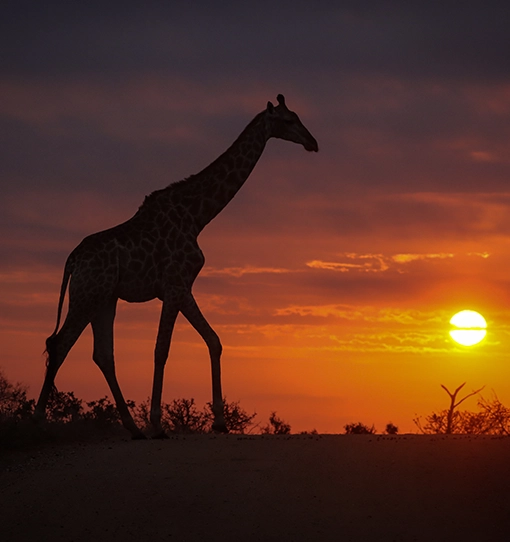
  • A giraffe silhouetted against the evening sky.
  • A bird perched in clear morning light.
  • Antelope standing alert after hearing an alarm call.
  • A wide landscape image that shows an animal in its natural environment.

A photograph becomes more powerful when it tells a story rather than simply recording that an animal was seen.

Suitable for Beginners and Experienced Photographers

A Kruger photography safari is not only for professional photographers. Beginners can learn how to anticipate wildlife moments, improve composition and make better use of available light.

Experienced photographers benefit from a guide who understands the importance of vehicle position, patience and allowing enough time at promising sightings.

Even guests using smartphones can enjoy the experience, especially when the focus is on getting closer to nature, observing carefully and creating memorable images.

Why Kruger National Park Is Ideal for Wildlife Photography

Kruger National Park is one of South Africa’s most celebrated safari destinations, offering a wide variety of habitats and wildlife-viewing opportunities.

From river systems and open grassland to woodland and rocky areas, the changing landscapes provide different photographic backgrounds throughout the journey.

Incredible Wildlife Diversity

Many visitors hope to photograph elephant, lion, leopard, buffalo and rhino. These animals can create unforgettable photographic moments, but they are only part of Kruger’s appeal.

A day in the park may also offer opportunities to photograph:

  • Zebra, giraffe, kudu, wildebeest and impala.
  • Hippos, crocodiles and waterbirds near rivers or dams.
  • Hyena, jackal, cheetah or wild dog when fortunate.
  • Eagles, kingfishers, rollers, hornbills and other birdlife.
  • Reptiles, insects and smaller details that reveal the character of the bush.

The variety means photographers can work with portraits, action, landscapes, behaviour and bird photography during the same safari.

Natural Light and Changing Landscapes

Light can transform a wildlife photograph. Early mornings may offer soft golden tones, mist, long shadows and cool conditions when animals are active.

Later in the day, the bush takes on different colours and moods. Dust, clouds, summer greenery or dry winter grasses can all contribute to the atmosphere of an image.

A Kruger photography safari allows you to work with these changing conditions rather than searching only for close-up animal sightings.

The Difference Between a Photography Safari and a Standard Game Drive

Every guided game drive can be enjoyable, but photographers often need a different style of safari.

Time to Wait for the Right Moment

Wildlife photography rewards patience. An animal may initially appear to be doing very little, but a few quiet minutes can lead to a more interesting photograph.

A resting lion may stand, stretch or interact with another member of the pride. An elephant herd may cross the road in a natural formation. A bird may take flight in beautiful light.

On a photographic safari, there is greater appreciation for waiting rather than immediately moving on.

Attention to Positioning and Backgrounds

A good wildlife photograph is shaped by more than the animal itself. Branches, harsh shadows, busy backgrounds or an awkward vehicle angle can affect the final image.

A guide experienced in photography understands how position and light influence the photograph. Without disturbing the wildlife or leaving authorised routes, the vehicle may be carefully placed to help guests find a cleaner angle or a stronger composition.

A Safari Shaped Around Your Photographic Goals

Different photographers have different interests. Some want portraits of large mammals, while others are drawn to birds, action, landscapes or animal behaviour.

A dedicated safari provides an opportunity to discuss what you hope to photograph and focus the experience accordingly, while accepting that wildlife remains unpredictable and every sighting happens naturally.

How to Capture Better Wildlife Photographs on Safari

You cannot control the wildlife, but you can prepare yourself to respond when a photographic opportunity appears.

Photograph Animal Behaviour

A clear portrait is always valuable, but behaviour often creates the most engaging safari images. Look for moments such as:

  • Elephants greeting, feeding or caring for young.
  • Lions communicating, walking or resting together.
  • Birds feeding, calling or taking flight.
  • Antelope watching for danger.
  • Giraffes interacting or browsing.
  • Animals approaching water or moving through their habitat.

Behaviour adds emotion, movement and context to your photographs.

Include the Environment

It is easy to focus only on close-up photographs, especially when seeing exciting wildlife. However, wider compositions can reveal the scale and beauty of Kruger National Park. Try photographing:

  • An elephant beneath a large African sky.
  • Giraffe moving through woodland.
  • Antelope in golden grass.
  • A bird surrounded by its habitat.
  • A safari road disappearing into the bush.

These photographs help tell the full story of where the animal lives.

Be Patient with Quiet Sightings

Not every moment begins dramatically. Sometimes the best image happens after waiting quietly and observing.

Rather than immediately searching for the next animal, watch how the subject responds to its surroundings. Look at the direction of the light, the background and the possibility of movement.

Patience often turns an ordinary sighting into a memorable photograph.

Camera Gear for a Kruger Photography Safari

The best camera is the one you are comfortable using, but good preparation helps you respond quickly in the field.

Camera and Lens Suggestions

For wildlife photography, a telephoto lens can be useful when animals are viewed at a respectful distance. A zoom lens also offers flexibility when animals move closer or when you want to capture more of the surrounding landscape. A wider lens may be useful for:

  • Bushveld scenery.
  • Dramatic skies.
  • Animals within their environment.
  • Safari storytelling photographs.

You do not need to carry every lens you own. Choose equipment that is practical, comfortable and easy to manage in the vehicle.

Helpful Safari Photography Accessories

Consider bringing:

  • Fully charged camera batteries.
  • Spare batteries.
  • Additional memory cards.
  • A lens cloth or cleaning kit.
  • A protective camera bag.
  • A beanbag or stabilising support, where available.
  • Binoculars for spotting animals and birdlife.
  • A power bank for phone photography.

Dust is part of the safari environment, particularly during drier months. Keep your equipment protected when it is not in use and avoid unnecessary lens changes in dusty conditions.

Smartphone Photography Tips

A smartphone can still capture beautiful safari memories, especially when animals are reasonably close or when photographing landscapes and atmosphere. For better smartphone photographs:

  • Clean the camera lens before the drive.
  • Avoid excessive digital zoom.
  • Use natural light wherever possible.
  • Keep the phone stable when taking photographs.
  • Focus on composition, behaviour and the wider setting.

The most meaningful photograph is not always the closest image. It is often the one that best preserves the feeling of the moment.

Best Time for a Kruger Photography Safari

Kruger offers excellent photographic opportunities throughout the year, but each season has a different visual character.

Dry Season Photography
During the dry season, vegetation is often more open and wildlife may be drawn towards available water sources. Photographically, this season can offer:

  • Golden and earthy landscape tones.
  • Dust creating atmosphere in backlit images.
  • Clearer visibility through thinner vegetation.
  • Wildlife activity near water.

Early mornings can be cold, so warm clothing is important for guests travelling in open safari vehicles.

Green Season Photography
After the rains, Kruger becomes lush, vibrant and full of colour. This season can be especially rewarding for photographers interested in landscapes, birdlife and young animals. Green season opportunities may include:

  • Rich natural backgrounds.
  • Dramatic skies and summer clouds.
  • Active birdlife.
  • Fresh vegetation and seasonal flowers.
  • Newborn animals and family interactions.

Although thicker vegetation may sometimes make wildlife more difficult to spot, it can also provide beautiful environmental photographs.

Make the Most of Early Morning Light
Early mornings are particularly rewarding for wildlife photography. Animals may be more active in cooler temperatures, while the softer light can add warmth and depth to images. A sunrise safari also brings a distinctive atmosphere: cooler air, quiet roads, bird calls and the anticipation of discovering what the new day will reveal.

Ethical Wildlife Photography in Kruger National Park

The privilege of photographing wildlife comes with responsibility. Wild animals should always be observed respectfully and allowed to behave naturally.

Keep the Wildlife Experience Natural

Responsible wildlife photography means:

  • Maintaining a respectful distance.
  • Remaining calm and quiet at sightings.
  • Avoiding pressure on animals for a better photograph.
  • Never encouraging wildlife to move or react.
  • Following park rules and your guide’s instructions.
  • Being considerate of other guests enjoying the sighting.

A natural photograph of an undisturbed animal is far more meaningful than an image created through interruption or stress.

Respect the Moment Beyond the Photograph

A safari should never become only about collecting images. Take time to put the camera down, listen to the bush and appreciate the privilege of being close to wildlife in its natural environment.

Often, the moments you remember most strongly are not only the photographs you captured, but the sounds, anticipation and emotion surrounding them.

Choosing the Right Kruger Photography Safari Experience

The ideal photographic safari depends on your available time, photography interests and the type of experience you want.

Photographic Day Safari
A full-day photographic safari is an excellent choice for guests who want a complete Kruger photography experience in a single day. It provides time to explore, work with changing light and seek a variety of wildlife and birdlife opportunities without needing to commit to an overnight journey.

Multi-Day Photographic Safari
For photographers who want a deeper experience, a multi-day photographic safari provides more time in the park and more opportunities to adapt to changing conditions. Over several days, you can experience different sightings, changing landscapes, varied light and the natural rhythm of the bush. This option is especially appealing for guests with specific photographic interests or those who want an immersive wildlife photography journey.

Private Photography-Focused Safari
A private safari offers additional flexibility for photographers, couples, families or small groups who prefer a more personal experience. With your own guide and vehicle, the pace of the safari can be better aligned with your photographic priorities and comfort.

Why Book a Kruger Photography Safari with Wild Photo Africa?

Wild Photo Africa specialises in wildlife photography tours into Kruger National Park, helping guests experience the bush through both observation and photography.

The team understands that photographers value time, positioning, natural light and animal behaviour. Just as importantly, Wild Photo Africa places emphasis on ethical wildlife viewing and creating a rewarding safari experience, whether guests are beginners, enthusiastic hobbyists or experienced photographers.

From photographic day safaris to longer immersive journeys, Wild Photo Africa offers guests the opportunity to explore Kruger with professional guidance and a genuine appreciation for the natural world.

Capture Your Kruger Story with Wild Photo Africa

A Kruger photography safari is an opportunity to capture more than photographs. It is a chance to preserve moments of connection, patience, excitement and wonder in one of South Africa’s most remarkable wilderness destinations.

Every safari brings a new story: the light, the landscape, the movement of wildlife and the unexpected encounters that make Kruger unforgettable.

Book your Kruger photography safari with Wild Photo Africa and experience the park with expert photographic guidance, respectful wildlife viewing and the time needed to capture moments that will stay with you long after the safari ends.
Kruger National Park Safari: A Complete Guide to Experiencing the Wild

Kruger National Park Safari Guide

A private Kruger safari offers something truly special: the chance to experience the African bush at your own pace, with a dedicated guide and an itinerary shaped around your interests.

Instead of sharing the day with unfamiliar guests, a private safari allows you to focus on what matters most to you. You may want to spend longer watching elephants at a waterhole, wait patiently for the perfect wildlife photograph, search for specific bird species or simply enjoy a relaxed family adventure in one of South Africa’s most iconic wilderness destinations.

With Wild Photo Africa, a private safari in Kruger National Park is about much more than ticking animals off a list. It is about slowing down, observing natural behaviour, learning from an experienced guide and creating meaningful memories in the bush.

Why Experience a Kruger National Park Safari?

Kruger National Park is one of Africa’s most iconic wildlife destinations. Its diverse habitats support a remarkable variety of animals, birds and plant life, making it an exciting destination for both first-time visitors and experienced safari travellers.

The appeal of a Kruger safari lies in its unpredictability. One moment you may be admiring impala beside the road, and the next you may encounter a herd of elephants moving towards water or a predator resting in the shade.

Every drive is different because the wildlife is free to move naturally through the park.

More Than a Big Five Safari

Seeing lion, leopard, elephant, buffalo and rhino is an unforgettable experience. However, the beauty of a Kruger National Park safari extends far beyond these famous animals.

Guests may also encounter:

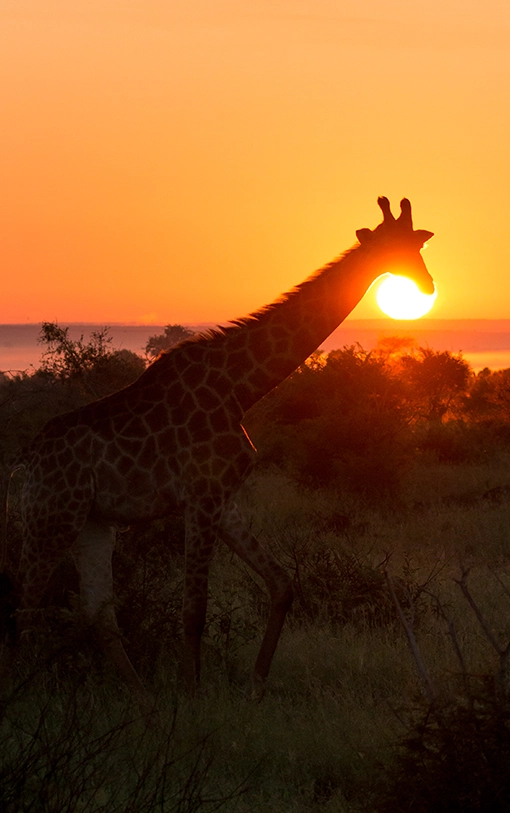
  • Giraffe feeding among the trees.
  • Zebra and wildebeest moving across open areas.
  • Hippos and crocodiles at rivers or dams.
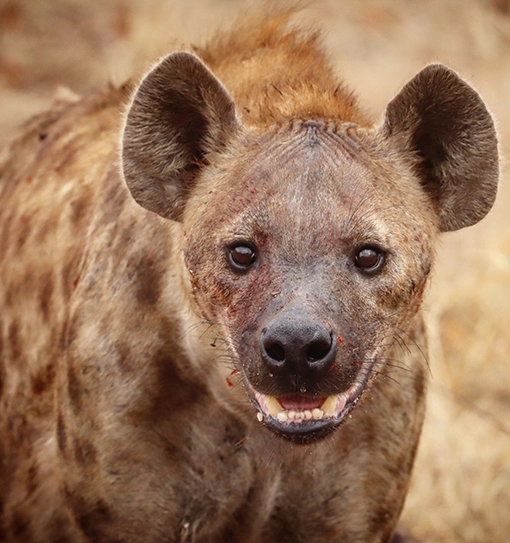
  • Warthogs, kudu, hyena, monkeys and baboons.
  • Eagles, hornbills, kingfishers, rollers and many other birds.
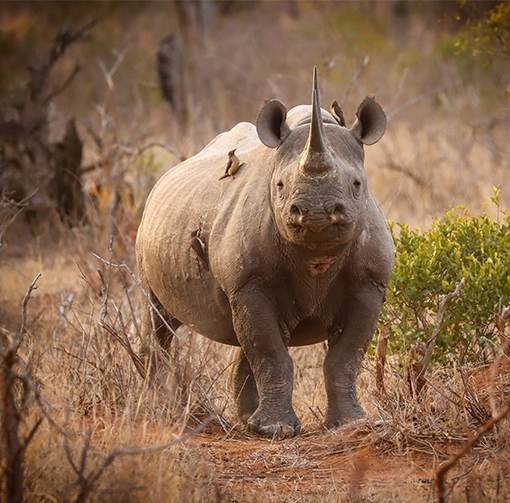
  • Tracks, insects, reptiles and plants that tell the story of the ecosystem.

When you take time to appreciate the full environment, every safari becomes richer and more meaningful.

A Destination for Nature Lovers and Photographers

Kruger offers endless inspiration for guests who love wildlife, birding and photography. The landscape changes with the seasons, while the soft light of early morning and late afternoon can transform even a quiet sighting into a beautiful memory.

You do not need to be an expert photographer to enjoy this experience. A camera, smartphone or simply your own attention can help you capture and remember the magic of the park.

What to Expect on a Guided Kruger Safari

A guided safari allows you to experience Kruger with someone who understands the park, its wildlife and the small details that often go unnoticed.

Your guide is there not only to help find animals, but also to explain behaviour, point out tracks and calls, identify birds and help you understand how the ecosystem works together.

The Value of Local Knowledge

Wildlife viewing is often about recognising signs before an animal is clearly visible. A skilled guide may notice:

  • Alarm calls from birds or antelope.
  • Fresh tracks along the road.
  • The movement of animals towards water.
  • A shape hidden in long grass or among branches.
  • Changes in animal behaviour that suggest a predator is nearby.
These observations can add excitement and understanding to your safari, helping you see Kruger as more than a collection of sightings.

A Relaxed Way to Explore the Park

On a guided safari, you can focus fully on the wildlife, scenery and photography while your guide manages the journey through the park.

This is especially helpful for:

  • First-time Kruger visitors.
  • Families travelling together.
  • Guests with limited time in the area.
  • Birders wanting expert assistance.
  • Photographers hoping for more thoughtful wildlife encounters.

Instead of worrying about routes or missing important details, you can settle into the experience and enjoy the bush.

Wildlife You May See on a Kruger National Park Safari

No wildlife sighting can be guaranteed, and this natural uncertainty is part of what makes a safari so special. Every encounter happens on the animals’ terms.

Elephants, Buffalo and Other Large Animals
Few experiences compare to watching elephants quietly cross the road or seeing a herd gathering near water. Buffalo can also create impressive sightings, especially when seen in larger groups.

Giraffe, zebra, wildebeest, kudu and impala are frequently among the animals that give Kruger its unmistakable safari atmosphere.

Predators and Rare Encounters
The chance of seeing lion, leopard, cheetah, hyena or wild dog creates a sense of excitement on every drive. Predators are not always easy to find, but the search is part of the experience.

A lion pride resting together, a leopard moving silently through the bush or wild dogs travelling as a pack can become a safari memory that stays with you for years.

Birdlife and Smaller Details
Kruger is also a wonderful destination for birding. Colourful rollers, striking hornbills, powerful eagles and birds around water sources can keep guests engaged throughout the day.

A guided safari can help you appreciate these smaller sightings, from identifying bird calls to noticing reptiles, insects, tracks and seasonal plants.

Kruger National Park Safari Photography Tips

A safari in Kruger provides extraordinary opportunities for wildlife photography. However, successful safari photography is not only about equipment. Patience, observation and an understanding of the moment often matter more.

Focus on Natural Behaviour

A photograph becomes more memorable when it captures an animal doing something natural.

Look for opportunities such as:

  • An elephant calf staying close to its mother.
  • A giraffe feeding among the leaves.
  • Birds taking flight or interacting.
  • Lions grooming, resting or communicating.
  • Antelope watching their surroundings.
  • Animals drinking at a waterhole.

Rather than only trying to photograph as many species as possible, spend time observing what is happening in front of you.

Make Use of Natural Light

Early morning light can be particularly beautiful for safari photography. The softer tones, cooler air and peaceful atmosphere often create strong photographic opportunities.

Late afternoon light can also add warmth and depth to wildlife and landscape images. During brighter parts of the day, focus on behaviour, shaded areas and the wider story of the environment.

Prepare Your Equipment Before the Drive

Before starting your safari, make sure your camera or phone is ready to use.

Useful preparation includes:

  • Charging batteries before departure.
  • Bringing additional batteries or a power bank.
  • Clearing sufficient memory card or phone storage space.
  • Keeping your camera accessible in the vehicle.
  • Cleaning your lens before the drive.
  • Bringing binoculars for distant sightings.

Most importantly, do not spend the entire safari looking through a screen. Take photographs, but also allow yourself time to experience the sighting fully.

Choosing the Best Time for Your Kruger Safari

Kruger National Park offers memorable safari opportunities throughout the year. Each season brings its own colours, conditions and wildlife-viewing experiences.

Dry Season Game Viewing

During the drier months, the bush is often less dense and animals may gather around available water sources. This can make wildlife easier to observe in certain areas. Morning drives during this time may be cold, so layers and a warm jacket are essential.

Green Season Beauty and Birdlife

After summer rainfall, the landscape becomes lush and vibrant. This season offers rich greens, active birdlife, dramatic skies and beautiful photographic scenery. The bush may be thicker, which can make some wildlife more difficult to spot, but the landscape itself becomes part of the experience.

Select a Safari Based on Your Interests

The ideal time for your safari depends on what you hope to experience. Consider whether you are most interested in:

  • General wildlife viewing.
  • Photography and beautiful landscapes.
  • Birding.
  • Travelling with children.
  • A private or multi-day safari.
  • A particular time of year for your holiday.

Wild Photo Africa can help create a safari experience that matches your priorities and allows you to make the most of your time in Kruger.

Private, Photographic and Specialist Safari Experiences

Not every traveller wants the same type of safari. Some guests want a rewarding first introduction to Kruger, while others have a specific interest in photography, birds or extended time in the wilderness.

Private Kruger Safaris

A private safari gives you and your group a more personalised experience. With a dedicated guide, the safari can move at a pace suited to your interests, whether you want to enjoy wildlife sightings, ask questions, travel as a family or take more time for photography.

Photographic Safaris

A photographic safari is ideal for guests who want more opportunities to work with light, positioning, patience and animal behaviour. Your guide understands that the best photograph may require time. Instead of rushing between sightings, the focus can remain on observing and capturing meaningful moments as they unfold naturally.

Birding and Multi-Day Experiences

For birding enthusiasts, Kruger offers remarkable diversity and opportunities to experience habitats and species in greater detail. Multi-day safari journeys allow guests to explore more of the park, experience different areas and enjoy the rhythm of the bush beyond a single day drive.

What to Pack for a Kruger National Park Safari

Packing the right items can make your day in the park more comfortable and enjoyable.

Safari Essentials

Consider bringing:

  • Comfortable clothing in neutral colours.
  • A warm layer for cool morning drives.
  • A hat and sunscreen.
  • Sunglasses.
  • Drinking water.
  • Binoculars.
  • A camera or smartphone.
  • Spare batteries or a power bank.
  • Personal medication and essential items.

Comfort is important, especially when spending several hours in a safari vehicle. Dress for changing temperatures and keep your belongings simple and easy to manage.

A Patient Safari Mindset

One of the most valuable things to bring on safari is patience. Wildlife experiences cannot be scheduled or controlled, and the most rewarding moments often happen when guests take time to watch and listen.

A quiet stretch of road may suddenly reveal an incredible encounter. A common animal may provide unusual behaviour. A bird sighting may be just as memorable as finding a predator.

The bush rewards attention.

Responsible Wildlife Viewing in Kruger

A safari should celebrate wildlife without disturbing it. Responsible viewing helps protect the animals and ensures that guests experience natural behaviour rather than a pressured or interrupted moment.

Responsible safari behaviour includes:

Keeping a respectful distance from animals.
Staying quiet at sightings.
Allowing animals space to move.
Avoiding any attempt to influence behaviour for a photograph.
Listening to your guide’s instructions.
Respecting park regulations and other safari visitors.

Ethical wildlife viewing is especially important for photography. A genuine image of an animal behaving naturally is far more valuable than a picture achieved by causing stress or disruption.

Why Book with Wild Photo Africa?

Wild Photo Africa offers guided safari experiences in and around Kruger National Park for guests who want to experience the bush with professional guidance and personal attention.

Based in White River, Wild Photo Africa focuses on private safaris, photographic experiences, birding trips, day safaris and longer Kruger journeys. The approach is built around ethical wildlife viewing, patient observation and helping guests connect with the natural environment.

Whether you are visiting Kruger National Park for the first time, travelling with family, pursuing wildlife photography or hoping to spend more meaningful time in the bush, Wild Photo Africa offers a safari experience shaped around your interests.

Book Your Kruger National Park Safari Adventure

A Kruger National Park safari is an experience filled with anticipation, discovery and unforgettable moments. It may be the sight of elephants in the early morning, the call of a fish eagle near water, a leopard appearing unexpectedly or simply the feeling of being surrounded by the African bush.

With professional guiding, personal attention and a genuine respect for wildlife, Wild Photo Africa helps guests experience Kruger in a calm, rewarding and memorable way.

Book your Kruger National Park safari with Wild Photo Africa and discover the wildlife, landscapes and photographic moments that make this remarkable destination one of Africa’s greatest safari experiences.

Kruger Park Safari: Wildlife and Photography Guide

What to Expect and How to Capture the Experience

A Kruger Park safari is more than a chance to see wildlife. It is an opportunity to slow down, listen to the bush, notice animal behaviour and experience one of South Africa’s most remarkable wilderness destinations from a completely different perspective.

From elephants crossing the road in the early morning light to a leopard resting quietly in a tree, every safari brings its own unexpected moments. For photographers, families, birders and first-time visitors, the Kruger National Park offers an experience that is both exciting and deeply memorable.

At Wild Photo Africa, a safari is not about rushing from one sighting to the next. It is about meaningful time in nature, ethical wildlife viewing and giving guests the best possible opportunity to observe and photograph the beauty of the African bush.

Why Choose a Kruger Park Safari?

Kruger National Park is one of South Africa’s best-known wildlife destinations, attracting visitors from around the world who want to experience animals in their natural environment.

A safari in Kruger can introduce you to far more than the famous Big Five. During a day in the park, you may encounter giraffe feeding among acacia trees, zebra gathered near open grassland, hippos resting in water, crocodiles along riverbanks, colourful birdlife and smaller creatures that are just as fascinating to observe.

The beauty of a Kruger Park safari is that no two drives are ever the same. Wildlife moves freely, weather influences activity, seasons change the landscape and each sighting unfolds naturally.

A Safari Experience for Different Travellers

A Kruger safari can suit many different types of visitors:

Photography enthusiasts looking for opportunities to capture wildlife, landscapes and natural behaviour.
Families wanting to introduce children to the wonders of nature and conservation.
First-time safari guests who would benefit from professional guidance and local knowledge.
Birders hoping to identify and photograph Kruger’s impressive birdlife.
Wildlife lovers who simply want to spend meaningful time in the bush.

Whether you carry a professional camera, a smartphone or simply a pair of binoculars, the Kruger offers moments worth remembering.

What Makes a Guided Kruger Park Safari Special?

Exploring Kruger with a knowledgeable guide adds depth to the experience. A guide does far more than drive the vehicle. They help guests understand animal behaviour, recognise tracks and calls, identify birdlife and appreciate the smaller details of the ecosystem.

A good guide also understands the pace of the bush. Rather than constantly moving in search of the next animal, they know when to wait, watch and allow a special moment to develop naturally.

Better Opportunities for Wildlife Viewing

Wild animals do not follow a schedule. Spotting them often depends on understanding the environment, reading signs and recognising where certain species may be active at different times of day.

An experienced guide can help guests notice details they might otherwise miss, such as:

  • Fresh tracks on a sandy road.
  • Alarm calls warning of a predator nearby.
  • Birds gathering around a feeding opportunity.
  • Elephant movement near a water source.
  • The subtle shape of a leopard resting among branches.

This knowledge can transform a pleasant drive into a far richer safari experience.

A More Relaxed Safari Journey

On a guided safari, guests can focus on the view, their camera and the excitement of the experience instead of navigating roads or searching for wildlife on their own.

This is especially valuable for photographers, families and visitors experiencing the Kruger National Park for the first time.

Kruger Park Safari Photography: Capturing the Moment

Kruger National Park is an extraordinary destination for wildlife photography. The variety of animals, changing landscapes and natural light create endless possibilities for memorable photographs.

However, great wildlife photography is not only about having the most expensive camera. It is about patience, timing, observation and being ready when a special moment happens.

Photograph Behaviour, Not Only Animals

A portrait of a lion or elephant can be beautiful, but photographs that show behaviour often tell a stronger story.

Look for moments such as:

  • An elephant calf walking beside its mother.
  • A bird taking flight from a branch.
  • A giraffe stretching to reach fresh leaves.
  • Zebra interacting at a waterhole.
  • A predator watching the surrounding bush.
  • Monkeys grooming or playing in the trees.

These moments communicate the true character of the animal and the atmosphere of the safari.

Use the Morning and Late Afternoon Light

Early morning and late afternoon often provide softer, warmer light for photography. These times of day can help create beautiful colours, longer shadows and more dramatic wildlife images.

Morning drives may also bring the excitement of animals becoming active as the day begins. The quiet atmosphere, cooler air and soft sunrise light can make the first hours in Kruger especially rewarding.

Be Ready Before the Sighting Happens

Wildlife moments can happen quickly. Before heading out on safari, make sure your camera battery is charged, your memory card has enough space and your basic settings are ready for changing conditions.

For guests using smartphones, simple preparation also helps. Clean the lens, make sure there is enough storage and avoid excessive zoom, which can reduce image quality.

Most importantly, remember to enjoy the sighting with your own eyes too. A safari is not only about the photograph; it is about the moment behind it.

What Wildlife Can You See on a Kruger Park Safari?

Many visitors arrive in Kruger hoping to see lion, leopard, elephant, rhino and buffalo. These animals are always exciting to encounter, but the park offers a much broader wildlife experience.

During a safari, you may also see:

  • Giraffe, zebra, wildebeest and kudu.
  • Hippo and crocodile near dams or rivers.
  • Warthog and impala along open plains.
  • Hyena, jackal or wild dog if you are fortunate.
  • Eagles, kingfishers, hornbills, rollers and many other bird species.
  • Reptiles, insects and smaller animals that form an important part of the ecosystem.

A rewarding safari is not measured only by how many major animals appear. Some of the most memorable moments come from quietly observing natural behaviour, learning about the environment and appreciating the diversity of life in the park.

When Is the Best Time for a Kruger Park Safari?

Kruger can be visited throughout the year, with each season offering a different type of safari experience.

Dry Season Safaris
During the drier months, vegetation is often less dense and animals may gather around available water sources. This can make wildlife easier to spot in certain areas. The cooler mornings are also ideal for long drives and photography, although guests should come prepared with warm clothing for early departures.

Green Season Safaris
After summer rains, the bush becomes lush and vibrant. The landscape is beautifully green, birdlife is particularly rewarding and many young animals may be seen. Although thicker vegetation can sometimes make sightings more challenging, the scenery and photographic opportunities can be exceptional.

Choosing the Right Season for Your Goals
The best time to travel depends on what you would most like from your safari. Guests focused on general wildlife viewing may prefer drier conditions, while birders and landscape photographers may enjoy the colour and activity of the greener months. A knowledgeable safari operator can help you choose an experience that suits your interests.

What to Bring on Your Kruger Safari

Preparing well helps you stay comfortable and get more from your safari day.

Essential Safari Items

Consider packing:

  • Comfortable, neutral-coloured clothing.
  • A warm jacket for early morning drives.
  • A hat and sunscreen.
  • Binoculars.
  • A camera or smartphone.
  • Spare batteries or a power bank.
  • Extra memory cards for photography.
  • Water and any personal essentials.

Avoid bringing unnecessary items that may get in the way during the drive. A simple, well-prepared day bag is usually enough.

Photography Gear for a Safari

For keen photographers, a telephoto lens is useful for wildlife at a distance, while a wider lens can help capture landscapes and animals within their environment.

However, a safari can still be deeply rewarding without specialist equipment. A smartphone can capture beautiful memories, especially when the focus is on light, composition and storytelling rather than distance alone.

Ethical Wildlife Viewing in Kruger National Park

Wildlife should always be observed respectfully. The animals of Kruger are living freely in their natural environment, and responsible safari behaviour helps protect the quality of the experience for both wildlife and visitors.

An ethical safari approach includes:

Keeping a respectful distance from animals.
Remaining calm and quiet at sightings.
Avoiding pressure on animals for a photograph.
Being patient when wildlife is moving or resting.
Respecting park rules and the natural environment.

At Wild Photo Africa, ethical wildlife viewing is central to the safari experience. A memorable image should never come at the cost of an animal’s comfort or natural behaviour.

Why Book a Kruger Park Safari with Wild Photo Africa?

Wild Photo Africa offers guided safari experiences in and around the Kruger National Park for guests who want more than a simple sightseeing drive.

Based in White River, the team specialises in creating rewarding safari experiences for photographers, families, birders and wildlife enthusiasts. The focus is on professional guiding, personal attention, respectful wildlife viewing and allowing enough time for special moments to unfold.

Safaris Designed Around the Experience

Depending on your interests, Wild Photo Africa offers safari experiences that include:

Whether you are visiting Kruger for the first time or returning with a camera and a deeper appreciation for the wilderness, Wild Photo Africa helps you experience the park in a calm, meaningful and unforgettable way.

Plan Your Kruger Park Safari Adventure

A Kruger Park safari invites you into a world of early morning light, distant animal calls, patient observation and unexpected encounters. It is a journey shaped by nature, where the most memorable moments are often the ones you could never have planned.

With experienced guidance, respectful wildlife viewing and a passion for photography and the African bush, Wild Photo Africa offers the opportunity to experience Kruger National Park in a personal and rewarding way.

Book your Kruger Park safari with Wild Photo Africa and discover the beauty, wildlife and photographic possibilities of one of South Africa’s most iconic safari destinations.

Private vs group photo safaris in Kruger: what photographers need to know

Private Vs. Group Photo Safaris:What Does the Difference Mean for Your Images and Your Experience?

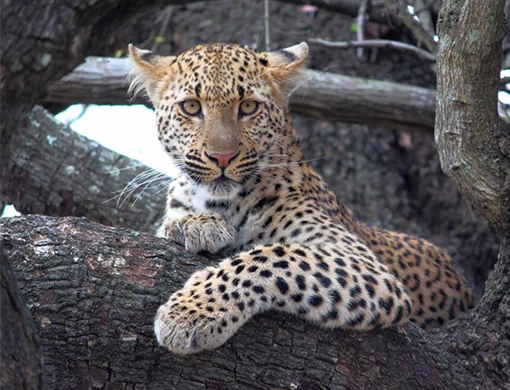
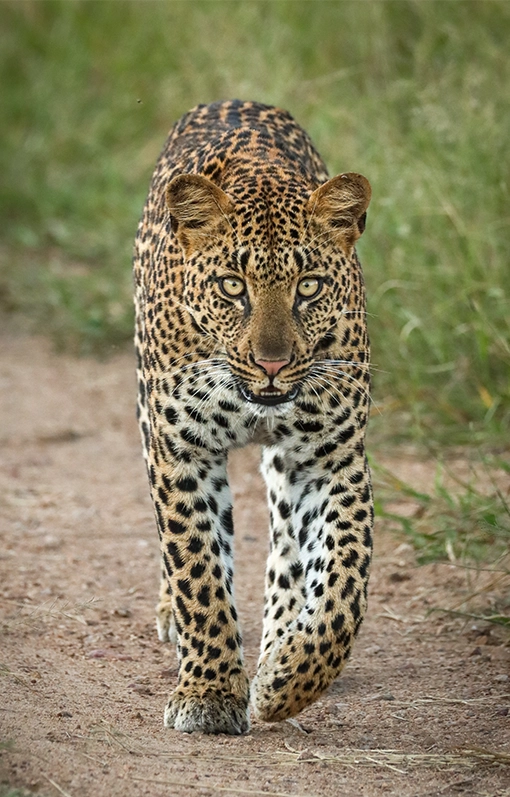
The air is cool and sharp, the light is turning from grey to gold, and somewhere ahead of you, a leopard is draped over an acacia branch, doing absolutely nothing, except looking impossibly photogenic. 

Your finger is on the shutter. You’ve focused on your subject.

And then the person next to you coughs. The leopard looks up and moves back into a shadowy spot, causing you to have a blurry image.

A cough might be a small thing to anyone else. But in wildlife photography, small things are the difference between getting the shot and missing it completely.

Choosing between a private and a group photo safari is one of the most important decisions a photographer can make before entering the Kruger National Park.

And to help you make the right choice, here is an honest look at both options.

What Actually Happenson a Group Photo Safari

A group photo safari typically seats between four and ten guests in a single open vehicle, with a guide at the wheel and a shared schedule keeping things moving. 

For many photographers, especially those new to wildlife shooting, this is a wonderful introduction to the park and to the safari experience. 

The energy of a group can be exciting. The sightings get spotted by more eyes, and since everyone is sharing a vehicle, the costs are shared.

But group safaris come with a downside for photographers.

The vehicle stops when the group is ready to stop. It moves when the group is ready to move. 

If a herd of elephants is backlit beautifully at 06h30 but two passengers have had enough by 06h45, the group moves on. 

Seating positions on a shared vehicle also matter more than most people would expect. Corner spots give the clearest sightlines and the best angles. Middle seats mean shooting around other people, other lenses, and other elbows, and everyone fights over the best seat.

According to a 2023 survey by Wildlife Photography Digest, 68% of photographers who had completed both group and private safaris said that vehicle positioning had a big impact on the quality of their images. 

And that number climbs even higher among photographers using long telephoto lenses above 400mm.

What a Private Photo SafariCan Give You

A private photo safari means the vehicle is yours. 

Every seat, every angle, and every decision. 

The guide works entirely to your pace and to your wish list for the day. If the light on a particular waterhole is extraordinary at 07h15, you can stay at that waterhole until you get the shot. 

If a mating pair of lions appears on the road at dusk and you need 40 minutes to work the scene, nobody is sighing behind you.

The practical photography advantages are significant. On a private vehicle, you can:

  • Position yourself in the optimal seat for each sighting, rather than staying fixed in an assigned spot
  • Ask the guide to adjust the vehicle angle to manage background clutter or find cleaner light
  • Slow the drive down to focus on smaller, quieter subjects — the lilac-breasted roller, the dancing yellow-billed hornbill, the mongoose family at play
  • Hold the position at a sighting for as long as the behaviour warrants it
  • Request early or late departures to maximise the quality of the golden-hour light

A guide who is also a skilled photographer makes this even more powerful. 

When the person at the wheel understands exposure, composition, and the particular challenge of a backlit elephant at f/8, the whole experience shifts. 

The guide is not just pointing at animals. They are anticipating behaviour, reading the light, and positioning the vehicle to give you the frame before you know you need it.

Which One isRight for You?

The answer depends on what kind of photographer you are and what kind of images you are hoping to make.

If you are travelling with a partner, a small family, or a group of photographer friends, a private vehicle is almost certainly the better investment. You will spend more upfront, but every hour in the park is working directly toward your photography rather than accommodating a group with different goals.

If you are a solo traveller or someone who enjoys the social dimension of a shared experience, a well-run group safari with a photography-focused guide can be both affordable and deeply rewarding. 

The keyword there is photography-focused. 

A guide who understands the art of photography makes all the difference, regardless of how many guests are in the vehicle.

At Wild Photo Africa, both options are built around the same philosophy: that the best wildlife images come from preparation, patience, and a guide who thinks like a photographer. Our team knows the Kruger’s southern regions intimately, understands animal behaviour at a level that lets them anticipate sightings before they happen, and genuinely cares about putting guests in the right position at the right moment.

The Kruger is one of the most photogenic places on Earth. 

Getting the most from it is simply a matter of choosing the right vehicle, the right guide, and the right approach for who you are as a photographer.

Frequently AskedQuestions

Is a private photo safari worth the extra cost in the Kruger National Park?

For serious photographers, yes. A private photo safari gives you full control over vehicle positioning, pace, and timing, which directly affects the quality of your images. You are not working around other guests or a fixed schedule. The guide can hold position at a sighting for as long as the behaviour is interesting, adjust the vehicle angle for better light, and tailor the entire drive to your photography goals. If photography is the primary reason for your visit, the additional cost typically translates to meaningfully better images.

Can beginners benefit from a private photo safari, or is it better suited to experienced photographers?

A private safari can actually be ideal for beginners, because it creates space for the guide to give you focused, one-on-one support with camera settings, composition, and technique without the distraction of a larger group. You are not watching someone else get the shot while you are still adjusting your exposure. The pace works entirely for you, which is exactly what someone building their wildlife photography skills needs. Many guests on their first Kruger photo safari choose private because they want to learn without feeling rushed or self-conscious.

What is the best time of year for a photo safari in the Kruger?

The dry winter months from May to September are widely regarded as the best for wildlife photography. Vegetation thins out significantly, which improves visibility, and animals concentrate around water sources, creating clustered, dramatic sightings. The light in these months is also particularly beautiful, with cooler temperatures producing cleaner skies and more golden-toned mornings. That said, the wet summer season from November to February has its own appeal: lush green landscapes, newborn animals, and extraordinary storm light that produces some of the most dramatic images the Kruger has to offer.

How many people are typically on a group photo safari in the Kruger?

Group sizes vary between operators, but a well-run photographic group safari should seat no more than six to eight guests per vehicle. Anything larger starts to compromise the photography experience, as vehicle noise increases, sightlines become more restricted, and the guide has to manage too many different needs at once. When researching group safaris, it is worth asking specifically about maximum group size and whether the guide has a photographic background, as these two factors have the greatest influence on what you will actually achieve with your camera.

Which is better for wildlife photography: a private safari or a group safari?

From a pure photography standpoint, a private safari gives you more control and flexibility, which generally leads to stronger images. However, a thoughtfully run group safari with a photography-specialist guide and a small group of like-minded guests can produce excellent results. The most important variable is not the booking type but the guide. A guide who understands light, animal behaviour, and photographic composition will give you a far better experience than one who does not, regardless of whether you are on a private or shared vehicle. Look for an operator whose guides are photographers themselves, not just wildlife experts who happen to drive.