

Private Vs. Group Photo Safaris:What Does the Difference Mean for Your Images and Your Experience?
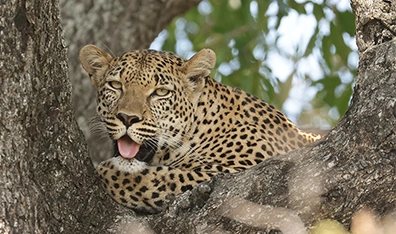
The air is cool and sharp, the light is turning from grey to gold, and somewhere ahead of you, a leopard is draped over an acacia branch, doing absolutely nothing, except looking impossibly photogenic.
Your finger is on the shutter. You’ve focused on your subject.
And then the person next to you coughs. The leopard looks up and moves back into a shadowy spot, causing you to have a blurry image.
A cough might be a small thing to anyone else. But in wildlife photography, small things are the difference between getting the shot and missing it completely.
Choosing between a private and a group photo safari is one of the most important decisions a photographer can make before entering the Kruger National Park.
And to help you make the right choice, here is an honest look at both options.

What Actually Happenson a Group Photo Safari
A group photo safari typically seats between four and ten guests in a single open vehicle, with a guide at the wheel and a shared schedule keeping things moving.
For many photographers, especially those new to wildlife shooting, this is a wonderful introduction to the park and to the safari experience.
The energy of a group can be exciting. The sightings get spotted by more eyes, and since everyone is sharing a vehicle, the costs are shared.
But group safaris come with a downside for photographers.
The vehicle stops when the group is ready to stop. It moves when the group is ready to move.
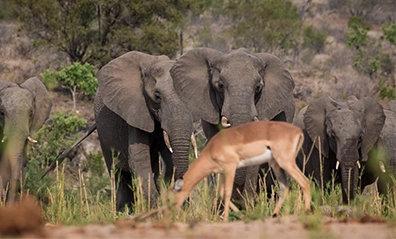
If a herd of elephants is backlit beautifully at 06h30 but two passengers have had enough by 06h45, the group moves on.
Seating positions on a shared vehicle also matter more than most people would expect. Corner spots give the clearest sightlines and the best angles. Middle seats mean shooting around other people, other lenses, and other elbows, and everyone fights over the best seat.
According to a 2023 survey by Wildlife Photography Digest, 68% of photographers who had completed both group and private safaris said that vehicle positioning had a big impact on the quality of their images.
And that number climbs even higher among photographers using long telephoto lenses above 400mm.
What a Private Photo SafariCan Give You
A private photo safari means the vehicle is yours.
Every seat, every angle, and every decision.
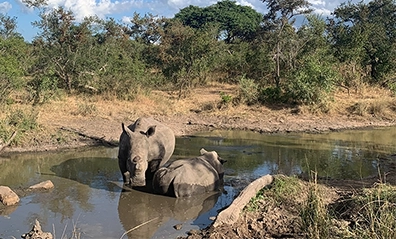
The guide works entirely to your pace and to your wish list for the day. If the light on a particular waterhole is extraordinary at 07h15, you can stay at that waterhole until you get the shot.
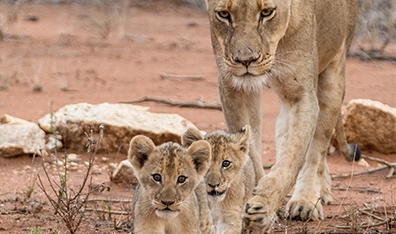
If a mating pair of lions appears on the road at dusk and you need 40 minutes to work the scene, nobody is sighing behind you.
The practical photography advantages are significant. On a private vehicle, you can:
- Position yourself in the optimal seat for each sighting, rather than staying fixed in an assigned spot
- Ask the guide to adjust the vehicle angle to manage background clutter or find cleaner light
- Slow the drive down to focus on smaller, quieter subjects — the lilac-breasted roller, the dancing yellow-billed hornbill, the mongoose family at play
- Hold the position at a sighting for as long as the behaviour warrants it
- Request early or late departures to maximise the quality of the golden-hour light
A guide who is also a skilled photographer makes this even more powerful.
When the person at the wheel understands exposure, composition, and the particular challenge of a backlit elephant at f/8, the whole experience shifts.
The guide is not just pointing at animals. They are anticipating behaviour, reading the light, and positioning the vehicle to give you the frame before you know you need it.
Which One isRight for You?
The answer depends on what kind of photographer you are and what kind of images you are hoping to make.
If you are travelling with a partner, a small family, or a group of photographer friends, a private vehicle is almost certainly the better investment. You will spend more upfront, but every hour in the park is working directly toward your photography rather than accommodating a group with different goals.
If you are a solo traveller or someone who enjoys the social dimension of a shared experience, a well-run group safari with a photography-focused guide can be both affordable and deeply rewarding.
The keyword there is photography-focused.
A guide who understands the art of photography makes all the difference, regardless of how many guests are in the vehicle.
At Wild Photo Africa, both options are built around the same philosophy: that the best wildlife images come from preparation, patience, and a guide who thinks like a photographer. Our team knows the Kruger’s southern regions intimately, understands animal behaviour at a level that lets them anticipate sightings before they happen, and genuinely cares about putting guests in the right position at the right moment.
The Kruger is one of the most photogenic places on Earth.
Getting the most from it is simply a matter of choosing the right vehicle, the right guide, and the right approach for who you are as a photographer.

Frequently AskedQuestions
Is a private photo safari worth the extra cost in the Kruger National Park?
For serious photographers, yes. A private photo safari gives you full control over vehicle positioning, pace, and timing, which directly affects the quality of your images. You are not working around other guests or a fixed schedule. The guide can hold position at a sighting for as long as the behaviour is interesting, adjust the vehicle angle for better light, and tailor the entire drive to your photography goals. If photography is the primary reason for your visit, the additional cost typically translates to meaningfully better images.
Can beginners benefit from a private photo safari, or is it better suited to experienced photographers?
A private safari can actually be ideal for beginners, because it creates space for the guide to give you focused, one-on-one support with camera settings, composition, and technique without the distraction of a larger group. You are not watching someone else get the shot while you are still adjusting your exposure. The pace works entirely for you, which is exactly what someone building their wildlife photography skills needs. Many guests on their first Kruger photo safari choose private because they want to learn without feeling rushed or self-conscious.
What is the best time of year for a photo safari in the Kruger?
The dry winter months from May to September are widely regarded as the best for wildlife photography. Vegetation thins out significantly, which improves visibility, and animals concentrate around water sources, creating clustered, dramatic sightings. The light in these months is also particularly beautiful, with cooler temperatures producing cleaner skies and more golden-toned mornings. That said, the wet summer season from November to February has its own appeal: lush green landscapes, newborn animals, and extraordinary storm light that produces some of the most dramatic images the Kruger has to offer.
How many people are typically on a group photo safari in the Kruger?
Group sizes vary between operators, but a well-run photographic group safari should seat no more than six to eight guests per vehicle. Anything larger starts to compromise the photography experience, as vehicle noise increases, sightlines become more restricted, and the guide has to manage too many different needs at once. When researching group safaris, it is worth asking specifically about maximum group size and whether the guide has a photographic background, as these two factors have the greatest influence on what you will actually achieve with your camera.
Which is better for wildlife photography: a private safari or a group safari?
From a pure photography standpoint, a private safari gives you more control and flexibility, which generally leads to stronger images. However, a thoughtfully run group safari with a photography-specialist guide and a small group of like-minded guests can produce excellent results. The most important variable is not the booking type but the guide. A guide who understands light, animal behaviour, and photographic composition will give you a far better experience than one who does not, regardless of whether you are on a private or shared vehicle. Look for an operator whose guides are photographers themselves, not just wildlife experts who happen to drive.


