Kruger Photography Safari: How to Capture Better Wildlife Moments in the Bush

Kruger Photography Safari Guide

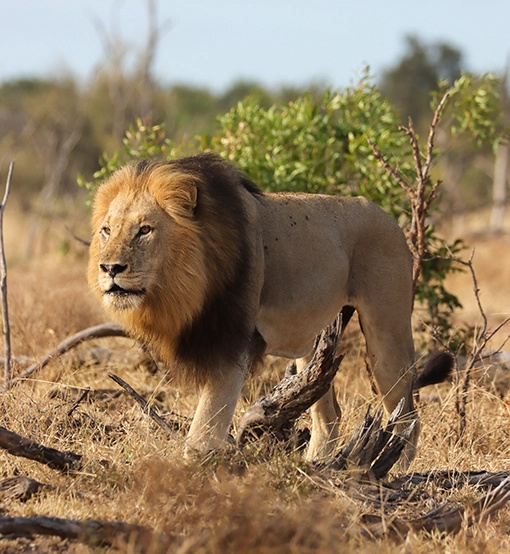
A lion stepping into soft morning light. An elephant calf sheltered beside its mother. A lilac-breasted roller lifting from a branch in a burst of colour. These are the moments that make a Kruger photography safari unforgettable.

Kruger National Park offers photographers an extraordinary mix of wildlife, landscapes, birdlife and changing natural light. Yet capturing strong wildlife images is not only about owning a large camera or a long lens. It is about being in the right place, remaining patient, recognising behaviour and allowing nature to unfold without rushing the experience.

With Wild Photo Africa, guests can explore Kruger with guides who understand both the wildlife and the photographic opportunities it presents. Whether you are using a professional camera, a beginner setup or a smartphone, a dedicated photographic safari gives you the time and guidance needed to capture meaningful images and enjoy the story behind every sighting.

What Is a Kruger Photography Safari?

A Kruger photography safari is a guided wildlife experience designed around the needs of photographers and guests who want stronger visual memories of their time in the park.

Unlike a standard game drive that may focus mainly on seeing as many animals as possible, a photographic safari allows more attention to be placed on light, angles, backgrounds, animal behaviour and patient observation.

More Than a Wildlife Checklist

Seeing iconic animals is always exciting, but a successful photography safari is not measured only by the number of sightings. It is about capturing moments that communicate the feeling of the African bush.

This could include:

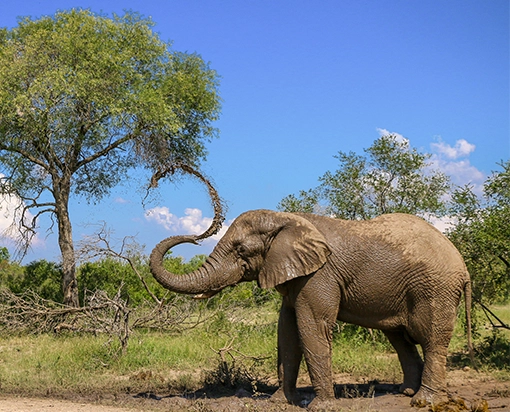
  • A herd of elephants moving through a dusty road.
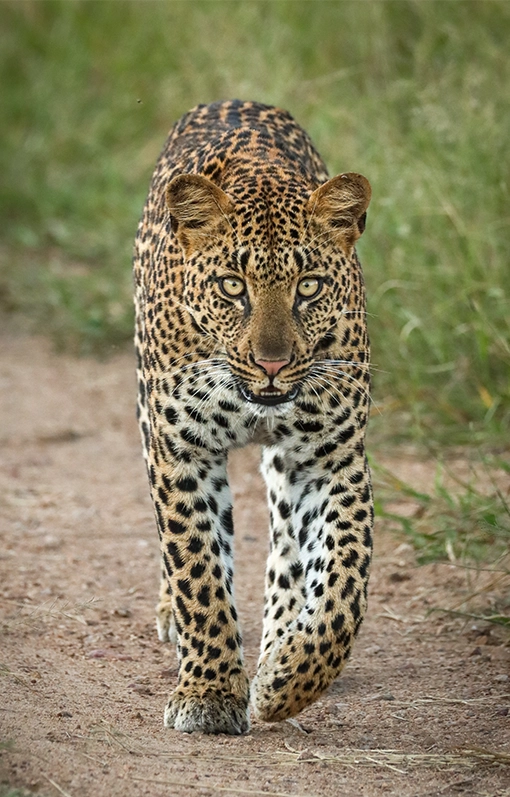
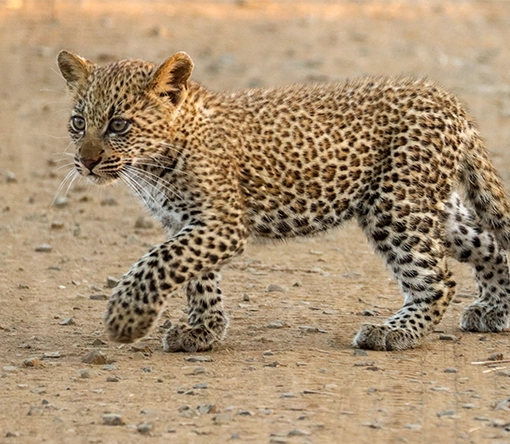
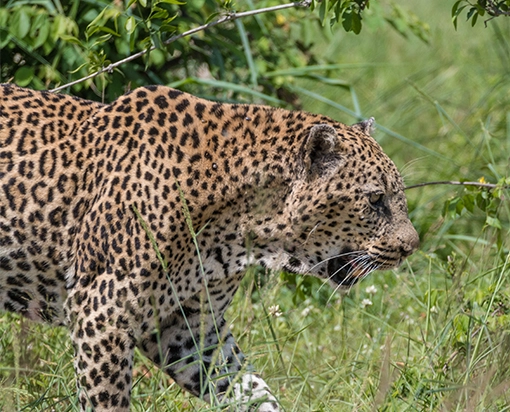
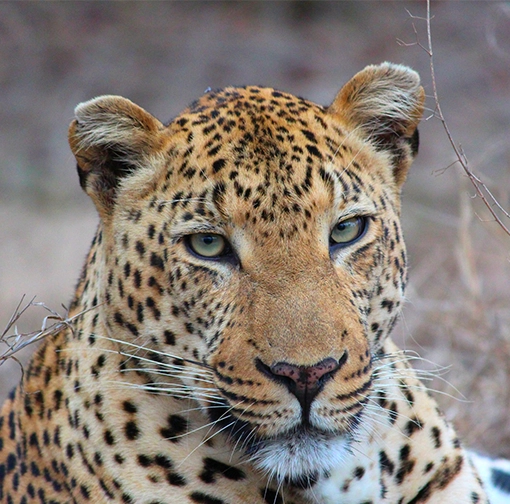
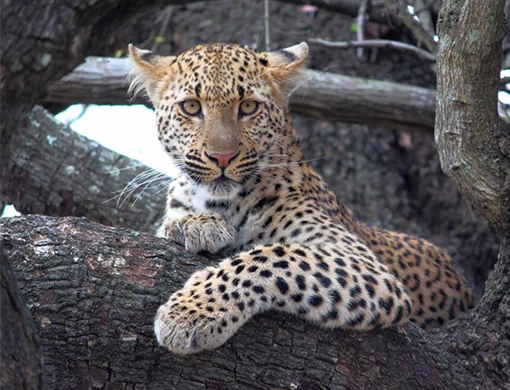
  • A leopard framed naturally by branches.
  • A giraffe silhouetted against the evening sky.
  • A bird perched in clear morning light.
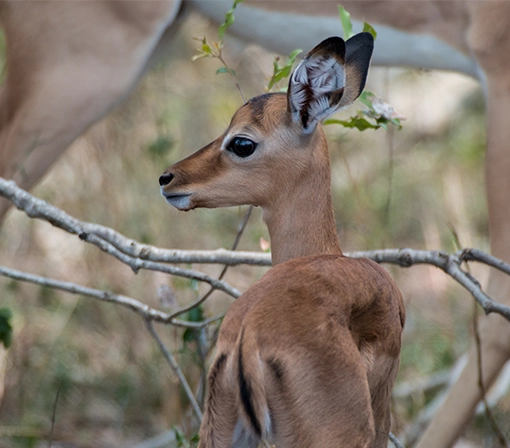
  • Antelope standing alert after hearing an alarm call.
  • A wide landscape image that shows an animal in its natural environment.

A photograph becomes more powerful when it tells a story rather than simply recording that an animal was seen.
Suitable for Beginners and Experienced Photographers

A Kruger photography safari is not only for professional photographers. Beginners can learn how to anticipate wildlife moments, improve composition and make better use of available light.

Experienced photographers benefit from a guide who understands the importance of vehicle position, patience and allowing enough time at promising sightings.

Even guests using smartphones can enjoy the experience, especially when the focus is on getting closer to nature, observing carefully and creating memorable images.

Why Kruger National Park Is Ideal for Wildlife Photography

Kruger National Park is one of South Africa’s most celebrated safari destinations, offering a wide variety of habitats and wildlife-viewing opportunities.

From river systems and open grassland to woodland and rocky areas, the changing landscapes provide different photographic backgrounds throughout the journey.

Incredible Wildlife Diversity

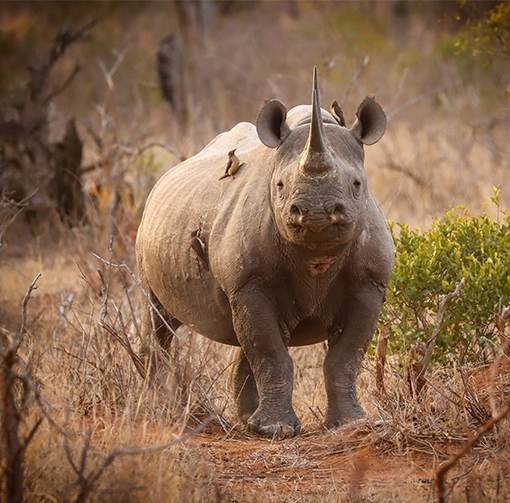
Many visitors hope to photograph elephant, lion, leopard, buffalo and rhino. These animals can create unforgettable photographic moments, but they are only part of Kruger’s appeal.

A day in the park may also offer opportunities to photograph:

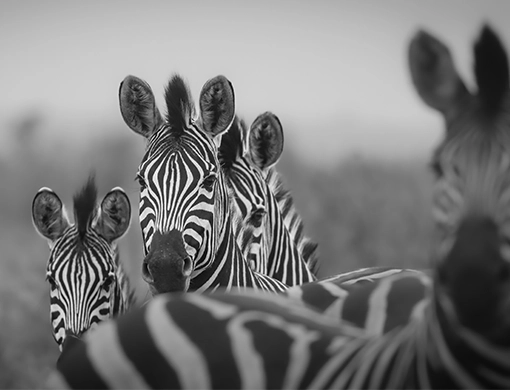
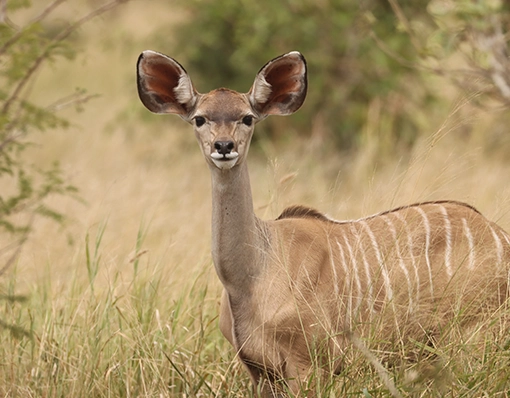
  • Zebra, giraffe, kudu, wildebeest and impala.
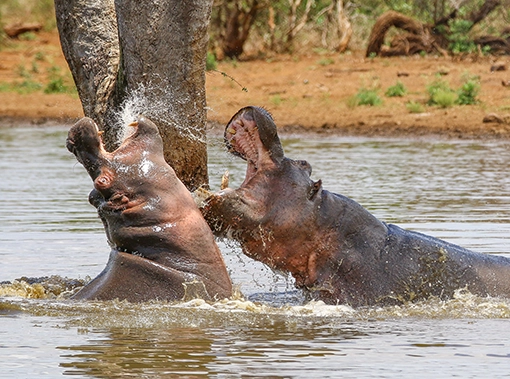
  • Hippos, crocodiles and waterbirds near rivers or dams.
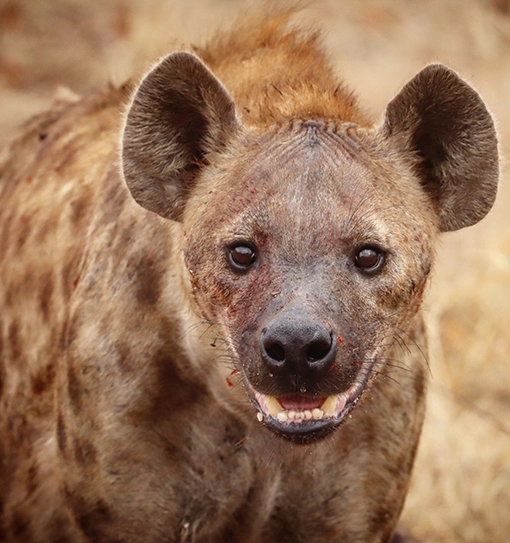
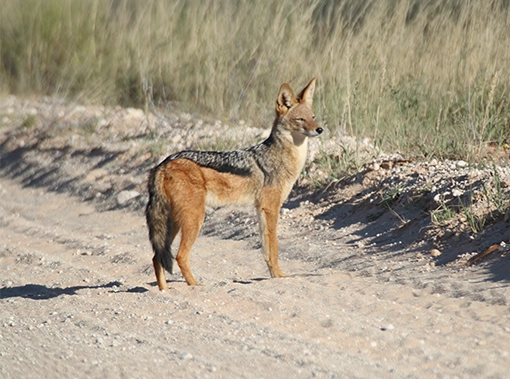
  • Hyena, jackal, cheetah or wild dog when fortunate.
  • Eagles, kingfishers, rollers, hornbills and other birdlife.
  • Reptiles, insects and smaller details that reveal the character of the bush.

The variety means photographers can work with portraits, action, landscapes, behaviour and bird photography during the same safari.

Natural Light and Changing Landscapes

Light can transform a wildlife photograph. Early mornings may offer soft golden tones, mist, long shadows and cool conditions when animals are active.

Later in the day, the bush takes on different colours and moods. Dust, clouds, summer greenery or dry winter grasses can all contribute to the atmosphere of an image.

A Kruger photography safari allows you to work with these changing conditions rather than searching only for close-up animal sightings.

The Difference Between a Photography Safari and a Standard Game Drive

Every guided game drive can be enjoyable, but photographers often need a different style of safari.

Time to Wait for the Right Moment

Wildlife photography rewards patience. An animal may initially appear to be doing very little, but a few quiet minutes can lead to a more interesting photograph.

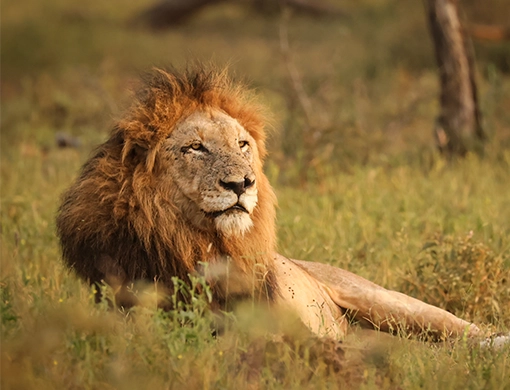
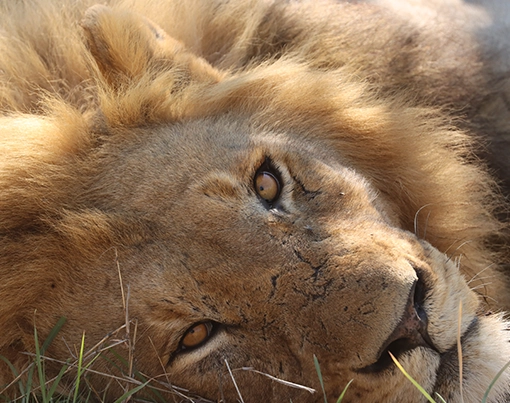
A resting lion may stand, stretch or interact with another member of the pride. An elephant herd may cross the road in a natural formation. A bird may take flight in beautiful light.

On a photographic safari, there is greater appreciation for waiting rather than immediately moving on.

Attention to Positioning and Backgrounds

A good wildlife photograph is shaped by more than the animal itself. Branches, harsh shadows, busy backgrounds or an awkward vehicle angle can affect the final image.

A guide experienced in photography understands how position and light influence the photograph. Without disturbing the wildlife or leaving authorised routes, the vehicle may be carefully placed to help guests find a cleaner angle or a stronger composition.

A Safari Shaped Around Your Photographic Goals

Different photographers have different interests. Some want portraits of large mammals, while others are drawn to birds, action, landscapes or animal behaviour.

A dedicated safari provides an opportunity to discuss what you hope to photograph and focus the experience accordingly, while accepting that wildlife remains unpredictable and every sighting happens naturally.

How to Capture Better Wildlife Photographs on Safari

You cannot control the wildlife, but you can prepare yourself to respond when a photographic opportunity appears.

Photograph Animal Behaviour

A clear portrait is always valuable, but behaviour often creates the most engaging safari images. Look for moments such as:

  • Elephants greeting, feeding or caring for young.
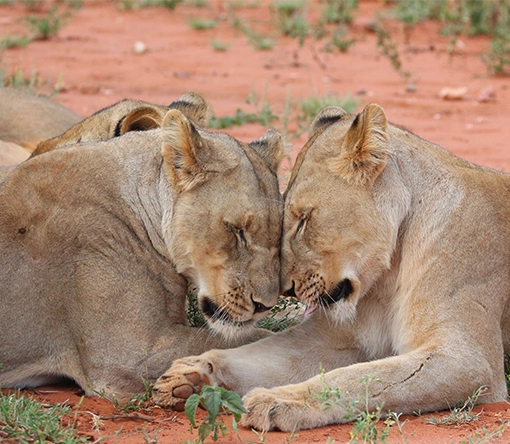
  • Lions communicating, walking or resting together.
  • Birds feeding, calling or taking flight.
  • Antelope watching for danger.
  • Giraffes interacting or browsing.
  • Animals approaching water or moving through their habitat.

Behaviour adds emotion, movement and context to your photographs.

Include the Environment

It is easy to focus only on close-up photographs, especially when seeing exciting wildlife. However, wider compositions can reveal the scale and beauty of Kruger National Park. Try photographing:

  • An elephant beneath a large African sky.
  • Giraffe moving through woodland.
  • Antelope in golden grass.
  • A bird surrounded by its habitat.
  • A safari road disappearing into the bush.

These photographs help tell the full story of where the animal lives.

Be Patient with Quiet Sightings

Not every moment begins dramatically. Sometimes the best image happens after waiting quietly and observing.

Rather than immediately searching for the next animal, watch how the subject responds to its surroundings. Look at the direction of the light, the background and the possibility of movement.

Patience often turns an ordinary sighting into a memorable photograph.
Camera Gear for a Kruger Photography Safari

The best camera is the one you are comfortable using, but good preparation helps you respond quickly in the field.

Camera and Lens Suggestions

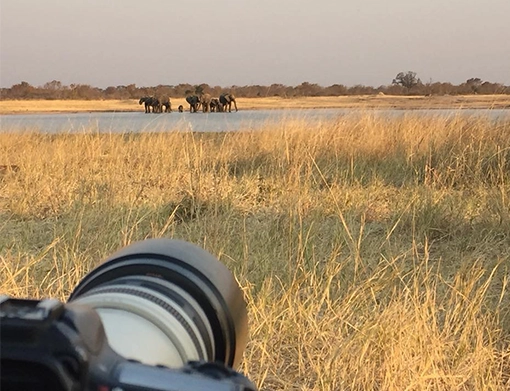
For wildlife photography, a telephoto lens can be useful when animals are viewed at a respectful distance. A zoom lens also offers flexibility when animals move closer or when you want to capture more of the surrounding landscape. A wider lens may be useful for:

  • Bushveld scenery.
  • Dramatic skies.
  • Animals within their environment.
  • Safari storytelling photographs.

You do not need to carry every lens you own. Choose equipment that is practical, comfortable and easy to manage in the vehicle.

Helpful Safari Photography Accessories

Consider bringing:

  • Fully charged camera batteries.
  • Spare batteries.
  • Additional memory cards.
  • A lens cloth or cleaning kit.
  • A protective camera bag.
  • A beanbag or stabilising support, where available.
  • Binoculars for spotting animals and birdlife.
  • A power bank for phone photography.

Dust is part of the safari environment, particularly during drier months. Keep your equipment protected when it is not in use and avoid unnecessary lens changes in dusty conditions.

Smartphone Photography Tips

A smartphone can still capture beautiful safari memories, especially when animals are reasonably close or when photographing landscapes and atmosphere. For better smartphone photographs:

  • Clean the camera lens before the drive.
  • Avoid excessive digital zoom.
  • Use natural light wherever possible.
  • Keep the phone stable when taking photographs.
  • Focus on composition, behaviour and the wider setting.

The most meaningful photograph is not always the closest image. It is often the one that best preserves the feeling of the moment.
Best Time for a Kruger Photography Safari

Kruger offers excellent photographic opportunities throughout the year, but each season has a different visual character.

Dry Season Photography
During the dry season, vegetation is often more open and wildlife may be drawn towards available water sources. Photographically, this season can offer:

  • Golden and earthy landscape tones.
  • Dust creating atmosphere in backlit images.
  • Clearer visibility through thinner vegetation.
  • Wildlife activity near water.

Early mornings can be cold, so warm clothing is important for guests travelling in open safari vehicles.

Green Season Photography
After the rains, Kruger becomes lush, vibrant and full of colour. This season can be especially rewarding for photographers interested in landscapes, birdlife and young animals. Green season opportunities may include:

  • Rich natural backgrounds.
  • Dramatic skies and summer clouds.
  • Active birdlife.
  • Fresh vegetation and seasonal flowers.
  • Newborn animals and family interactions.

Although thicker vegetation may sometimes make wildlife more difficult to spot, it can also provide beautiful environmental photographs.

Make the Most of Early Morning Light
Early mornings are particularly rewarding for wildlife photography. Animals may be more active in cooler temperatures, while the softer light can add warmth and depth to images. A sunrise safari also brings a distinctive atmosphere: cooler air, quiet roads, bird calls and the anticipation of discovering what the new day will reveal.

Ethical Wildlife Photography in Kruger National Park

The privilege of photographing wildlife comes with responsibility. Wild animals should always be observed respectfully and allowed to behave naturally.

Keep the Wildlife Experience Natural

Responsible wildlife photography means:

  • Maintaining a respectful distance.
  • Remaining calm and quiet at sightings.
  • Avoiding pressure on animals for a better photograph.
  • Never encouraging wildlife to move or react.
  • Following park rules and your guide’s instructions.
  • Being considerate of other guests enjoying the sighting.

A natural photograph of an undisturbed animal is far more meaningful than an image created through interruption or stress.

Respect the Moment Beyond the Photograph

A safari should never become only about collecting images. Take time to put the camera down, listen to the bush and appreciate the privilege of being close to wildlife in its natural environment.

Often, the moments you remember most strongly are not only the photographs you captured, but the sounds, anticipation and emotion surrounding them.

Choosing the Right Kruger Photography Safari Experience

The ideal photographic safari depends on your available time, photography interests and the type of experience you want.

Photographic Day Safari
A full-day photographic safari is an excellent choice for guests who want a complete Kruger photography experience in a single day. It provides time to explore, work with changing light and seek a variety of wildlife and birdlife opportunities without needing to commit to an overnight journey.

Multi-Day Photographic Safari
For photographers who want a deeper experience, a multi-day photographic safari provides more time in the park and more opportunities to adapt to changing conditions. Over several days, you can experience different sightings, changing landscapes, varied light and the natural rhythm of the bush. This option is especially appealing for guests with specific photographic interests or those who want an immersive wildlife photography journey.

Private Photography-Focused Safari
A private safari offers additional flexibility for photographers, couples, families or small groups who prefer a more personal experience. With your own guide and vehicle, the pace of the safari can be better aligned with your photographic priorities and comfort.
Why Book a Kruger Photography Safari with Wild Photo Africa?

Wild Photo Africa specialises in wildlife photography tours into Kruger National Park, helping guests experience the bush through both observation and photography.

The team understands that photographers value time, positioning, natural light and animal behaviour. Just as importantly, Wild Photo Africa places emphasis on ethical wildlife viewing and creating a rewarding safari experience, whether guests are beginners, enthusiastic hobbyists or experienced photographers.

From photographic day safaris to longer immersive journeys, Wild Photo Africa offers guests the opportunity to explore Kruger with professional guidance and a genuine appreciation for the natural world.

Capture Your Kruger Story with Wild Photo Africa

A Kruger photography safari is an opportunity to capture more than photographs. It is a chance to preserve moments of connection, patience, excitement and wonder in one of South Africa’s most remarkable wilderness destinations.

Every safari brings a new story: the light, the landscape, the movement of wildlife and the unexpected encounters that make Kruger unforgettable.

Book your Kruger photography safari with Wild Photo Africa and experience the park with expert photographic guidance, respectful wildlife viewing and the time needed to capture moments that will stay with you long after the safari ends.
Kruger National Park Safari: A Complete Guide to Experiencing the Wild

Kruger National Park Safari Guide

A private Kruger safari offers something truly special: the chance to experience the African bush at your own pace, with a dedicated guide and an itinerary shaped around your interests.

Instead of sharing the day with unfamiliar guests, a private safari allows you to focus on what matters most to you. You may want to spend longer watching elephants at a waterhole, wait patiently for the perfect wildlife photograph, search for specific bird species or simply enjoy a relaxed family adventure in one of South Africa’s most iconic wilderness destinations.

With Wild Photo Africa, a private safari in Kruger National Park is about much more than ticking animals off a list. It is about slowing down, observing natural behaviour, learning from an experienced guide and creating meaningful memories in the bush.

Why Experience a Kruger National Park Safari?

Kruger National Park is one of Africa’s most iconic wildlife destinations. Its diverse habitats support a remarkable variety of animals, birds and plant life, making it an exciting destination for both first-time visitors and experienced safari travellers.

The appeal of a Kruger safari lies in its unpredictability. One moment you may be admiring impala beside the road, and the next you may encounter a herd of elephants moving towards water or a predator resting in the shade.

Every drive is different because the wildlife is free to move naturally through the park.

More Than a Big Five Safari

Seeing lion, leopard, elephant, buffalo and rhino is an unforgettable experience. However, the beauty of a Kruger National Park safari extends far beyond these famous animals.

Guests may also encounter:

  • Giraffe feeding among the trees.
  • Zebra and wildebeest moving across open areas.
  • Hippos and crocodiles at rivers or dams.
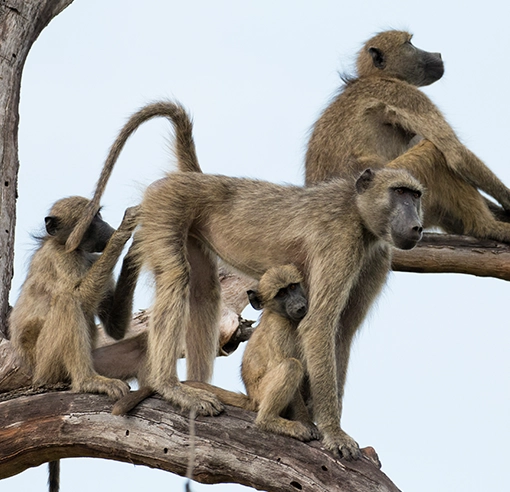
  • Warthogs, kudu, hyena, monkeys and baboons.
  • Eagles, hornbills, kingfishers, rollers and many other birds.
  • Tracks, insects, reptiles and plants that tell the story of the ecosystem.

When you take time to appreciate the full environment, every safari becomes richer and more meaningful.

A Destination for Nature Lovers and Photographers

Kruger offers endless inspiration for guests who love wildlife, birding and photography. The landscape changes with the seasons, while the soft light of early morning and late afternoon can transform even a quiet sighting into a beautiful memory.

You do not need to be an expert photographer to enjoy this experience. A camera, smartphone or simply your own attention can help you capture and remember the magic of the park.

What to Expect on a Guided Kruger Safari

A guided safari allows you to experience Kruger with someone who understands the park, its wildlife and the small details that often go unnoticed.

Your guide is there not only to help find animals, but also to explain behaviour, point out tracks and calls, identify birds and help you understand how the ecosystem works together.

The Value of Local Knowledge

Wildlife viewing is often about recognising signs before an animal is clearly visible. A skilled guide may notice:

  • Alarm calls from birds or antelope.
  • Fresh tracks along the road.
  • The movement of animals towards water.
  • A shape hidden in long grass or among branches.
  • Changes in animal behaviour that suggest a predator is nearby.

These observations can add excitement and understanding to your safari, helping you see Kruger as more than a collection of sightings.

A Relaxed Way to Explore the Park

On a guided safari, you can focus fully on the wildlife, scenery and photography while your guide manages the journey through the park.

This is especially helpful for:

  • First-time Kruger visitors.
  • Families travelling together.
  • Guests with limited time in the area.
  • Birders wanting expert assistance.
  • Photographers hoping for more thoughtful wildlife encounters.

Instead of worrying about routes or missing important details, you can settle into the experience and enjoy the bush.

Wildlife You May See on a Kruger National Park Safari

No wildlife sighting can be guaranteed, and this natural uncertainty is part of what makes a safari so special. Every encounter happens on the animals’ terms.

Elephants, Buffalo and Other Large Animals
Few experiences compare to watching elephants quietly cross the road or seeing a herd gathering near water. Buffalo can also create impressive sightings, especially when seen in larger groups.

Giraffe, zebra, wildebeest, kudu and impala are frequently among the animals that give Kruger its unmistakable safari atmosphere.

Predators and Rare Encounters
The chance of seeing lion, leopard, cheetah, hyena or wild dog creates a sense of excitement on every drive. Predators are not always easy to find, but the search is part of the experience.

A lion pride resting together, a leopard moving silently through the bush or wild dogs travelling as a pack can become a safari memory that stays with you for years.

Birdlife and Smaller Details
Kruger is also a wonderful destination for birding. Colourful rollers, striking hornbills, powerful eagles and birds around water sources can keep guests engaged throughout the day.

A guided safari can help you appreciate these smaller sightings, from identifying bird calls to noticing reptiles, insects, tracks and seasonal plants.

Kruger National Park Safari Photography Tips

A safari in Kruger provides extraordinary opportunities for wildlife photography. However, successful safari photography is not only about equipment. Patience, observation and an understanding of the moment often matter more.

Focus on Natural Behaviour

A photograph becomes more memorable when it captures an animal doing something natural.

Look for opportunities such as:

  • An elephant calf staying close to its mother.
  • A giraffe feeding among the leaves.
  • Birds taking flight or interacting.
  • Lions grooming, resting or communicating.
  • Antelope watching their surroundings.
  • Animals drinking at a waterhole.

Rather than only trying to photograph as many species as possible, spend time observing what is happening in front of you.

Make Use of Natural Light

Early morning light can be particularly beautiful for safari photography. The softer tones, cooler air and peaceful atmosphere often create strong photographic opportunities.

Late afternoon light can also add warmth and depth to wildlife and landscape images. During brighter parts of the day, focus on behaviour, shaded areas and the wider story of the environment.

Prepare Your Equipment Before the Drive

Before starting your safari, make sure your camera or phone is ready to use.

Useful preparation includes:

  • Charging batteries before departure.
  • Bringing additional batteries or a power bank.
  • Clearing sufficient memory card or phone storage space.
  • Keeping your camera accessible in the vehicle.
  • Cleaning your lens before the drive.
  • Bringing binoculars for distant sightings.

Most importantly, do not spend the entire safari looking through a screen. Take photographs, but also allow yourself time to experience the sighting fully.

Choosing the Best Time for Your Kruger Safari

Kruger National Park offers memorable safari opportunities throughout the year. Each season brings its own colours, conditions and wildlife-viewing experiences.

Dry Season Game Viewing

During the drier months, the bush is often less dense and animals may gather around available water sources. This can make wildlife easier to observe in certain areas. Morning drives during this time may be cold, so layers and a warm jacket are essential.

Green Season Beauty and Birdlife

After summer rainfall, the landscape becomes lush and vibrant. This season offers rich greens, active birdlife, dramatic skies and beautiful photographic scenery. The bush may be thicker, which can make some wildlife more difficult to spot, but the landscape itself becomes part of the experience.

Select a Safari Based on Your Interests

The ideal time for your safari depends on what you hope to experience. Consider whether you are most interested in:

  • General wildlife viewing.
  • Photography and beautiful landscapes.
  • Birding.
  • Travelling with children.
  • A private or multi-day safari.
  • A particular time of year for your holiday.

Wild Photo Africa can help create a safari experience that matches your priorities and allows you to make the most of your time in Kruger.

Private, Photographic and Specialist Safari Experiences

Not every traveller wants the same type of safari. Some guests want a rewarding first introduction to Kruger, while others have a specific interest in photography, birds or extended time in the wilderness.

Private Kruger Safaris

A private safari gives you and your group a more personalised experience. With a dedicated guide, the safari can move at a pace suited to your interests, whether you want to enjoy wildlife sightings, ask questions, travel as a family or take more time for photography.

Photographic Safaris

A photographic safari is ideal for guests who want more opportunities to work with light, positioning, patience and animal behaviour. Your guide understands that the best photograph may require time. Instead of rushing between sightings, the focus can remain on observing and capturing meaningful moments as they unfold naturally.

Birding and Multi-Day Experiences

For birding enthusiasts, Kruger offers remarkable diversity and opportunities to experience habitats and species in greater detail. Multi-day safari journeys allow guests to explore more of the park, experience different areas and enjoy the rhythm of the bush beyond a single day drive.

What to Pack for a Kruger National Park Safari

Packing the right items can make your day in the park more comfortable and enjoyable.

Safari Essentials

Consider bringing:

  • Comfortable clothing in neutral colours.
  • A warm layer for cool morning drives.
  • A hat and sunscreen.
  • Sunglasses.
  • Drinking water.
  • Binoculars.
  • A camera or smartphone.
  • Spare batteries or a power bank.
  • Personal medication and essential items.

Comfort is important, especially when spending several hours in a safari vehicle. Dress for changing temperatures and keep your belongings simple and easy to manage.

A Patient Safari Mindset

One of the most valuable things to bring on safari is patience. Wildlife experiences cannot be scheduled or controlled, and the most rewarding moments often happen when guests take time to watch and listen.

A quiet stretch of road may suddenly reveal an incredible encounter. A common animal may provide unusual behaviour. A bird sighting may be just as memorable as finding a predator.

The bush rewards attention.

Responsible Wildlife Viewing in Kruger

A safari should celebrate wildlife without disturbing it. Responsible viewing helps protect the animals and ensures that guests experience natural behaviour rather than a pressured or interrupted moment.

Responsible safari behaviour includes:

Keeping a respectful distance from animals.
Staying quiet at sightings.
Allowing animals space to move.
Avoiding any attempt to influence behaviour for a photograph.
Listening to your guide’s instructions.
Respecting park regulations and other safari visitors.

Ethical wildlife viewing is especially important for photography. A genuine image of an animal behaving naturally is far more valuable than a picture achieved by causing stress or disruption.

Why Book with Wild Photo Africa?

Wild Photo Africa offers guided safari experiences in and around Kruger National Park for guests who want to experience the bush with professional guidance and personal attention.

Based in White River, Wild Photo Africa focuses on private safaris, photographic experiences, birding trips, day safaris and longer Kruger journeys. The approach is built around ethical wildlife viewing, patient observation and helping guests connect with the natural environment.

Whether you are visiting Kruger National Park for the first time, travelling with family, pursuing wildlife photography or hoping to spend more meaningful time in the bush, Wild Photo Africa offers a safari experience shaped around your interests.

Book Your Kruger National Park Safari Adventure

A Kruger National Park safari is an experience filled with anticipation, discovery and unforgettable moments. It may be the sight of elephants in the early morning, the call of a fish eagle near water, a leopard appearing unexpectedly or simply the feeling of being surrounded by the African bush.

With professional guiding, personal attention and a genuine respect for wildlife, Wild Photo Africa helps guests experience Kruger in a calm, rewarding and memorable way.

Book your Kruger National Park safari with Wild Photo Africa and discover the wildlife, landscapes and photographic moments that make this remarkable destination one of Africa’s greatest safari experiences.

Private Kruger Safari: A Personal Way to Experience the Wild

Private Kruger Safari Experiences

A private Kruger safari offers something truly special: the chance to experience the African bush at your own pace, with a dedicated guide and an itinerary shaped around your interests.

Instead of sharing the day with unfamiliar guests, a private safari allows you to focus on what matters most to you. You may want to spend longer watching elephants at a waterhole, wait patiently for the perfect wildlife photograph, search for specific bird species or simply enjoy a relaxed family adventure in one of South Africa’s most iconic wilderness destinations.

With Wild Photo Africa, a private safari in Kruger National Park is about much more than ticking animals off a list. It is about slowing down, observing natural behaviour, learning from an experienced guide and creating meaningful memories in the bush.

What Is a Private Kruger Safari?

A private Kruger safari is a guided game-viewing experience reserved for you and your chosen companions. This may be your partner, family, friends or photography group.

Unlike a shared safari, where the drive needs to balance the interests of several different guests, a private safari provides greater flexibility. Your guide can tailor the pace and focus of the experience to suit your preferences, while always respecting park regulations and the natural movement of wildlife.

A Safari Built Around Your Interests

Every guest experiences Kruger differently. Some visitors are hoping to see the Big Five. Others are interested in birds, animal behaviour, photography or simply spending a quiet day surrounded by nature.

A private safari can focus on:

  • Wildlife photography and finding strong photographic opportunities.
  • Family-friendly game viewing with comfortable stops and an enjoyable pace.
  • Birdwatching and identifying the park’s many bird species.
  • Learning about animal behaviour, tracks, plants and ecosystems.
  • Spending more time at sightings that are especially meaningful to you.

This flexibility makes a private safari ideal for guests who want a more personal and rewarding Kruger experience.

Why Choose a Private Safari in Kruger National Park?

Kruger National Park is vast, diverse and filled with opportunities for remarkable wildlife encounters. Because every day in the park is different, having a dedicated guide and a private vehicle can help you make the most of your time.

More Time at the Sightings You Love

On a general game drive, a group may need to move on even when you would prefer to stay. On a private Kruger safari, there is often more freedom to spend time observing an animal or waiting for a photographic moment to develop.

You may come across a herd of elephants moving quietly through the bush, a leopard resting in a tree, lions interacting in the early morning or a colourful bird perched beautifully in the light. With a private safari, your guide can give these moments the attention they deserve.

A Comfortable Pace for Your Group

A private safari is particularly valuable when travelling with children, older family members, photographers or guests visiting Kruger for the first time.

Your drive can be planned around your group’s comfort and expectations. There is more opportunity to ask questions, enjoy breaks and take time to appreciate the experience without feeling rushed.

Personal Attention from Your Guide

A knowledgeable guide helps turn a wildlife sighting into a deeper understanding of the bush. They can point out tracks, calls, feeding habits, birdlife and animal behaviour that may otherwise go unnoticed.

Because the guide is focused on your group, a private safari also allows for more conversation, learning and engagement throughout the day.

Private Kruger Safari Experiencesfor Wildlife Photography

For photographers, a private Kruger safari offers one of the best ways to explore the park. Wildlife photography requires patience, positioning and an understanding of light and behaviour.

A private experience gives photographers more opportunity to wait for the right moment rather than simply taking a quick photograph before moving on.

Better Positioning for Photographs

Wildlife cannot be directed, and no sighting can ever be guaranteed. However, an experienced guide can help position the vehicle responsibly for better views and improved photographic possibilities.

This may involve finding a clean angle for a portrait, using morning light to photograph an animal in its environment or waiting quietly for natural behaviour to unfold.

Time to Photograph Behaviour

Some of the most memorable safari photographs are not simple portraits. They are images that tell a story. During a private safari, you may have the chance to capture:

  • Elephants interacting as a family herd.
  • Lions resting or communicating with one another.
  • Giraffes browsing among trees.
  • Birds taking off or feeding.
  • Zebra, wildebeest or antelope moving through open grassland.
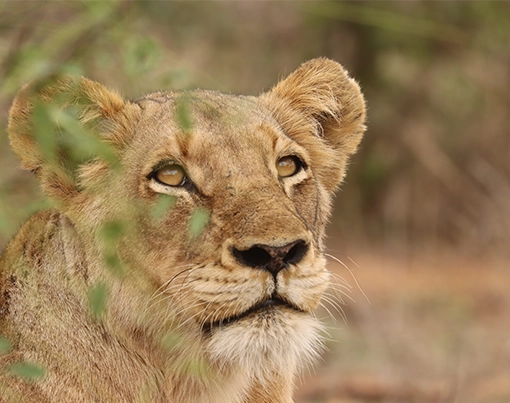
  • Predators scanning their surroundings.

These moments often require patience. A private safari makes it easier to allow the sighting to develop naturally.

Suitable for Beginners and Experienced Photographers

You do not need to be a professional photographer to enjoy a private photographic safari. Whether you use a specialist camera, a beginner setup or a smartphone, having time and guidance can help you capture better memories.

Beginners can benefit from a relaxed environment in which to learn more about composition, light and wildlife behaviour. Experienced photographers can appreciate the additional flexibility and time available at promising sightings.

What Wildlife Could You Encounter on a Private Kruger Safari?

Many guests visit Kruger National Park hoping to encounter lion, leopard, elephant, rhino and buffalo. These iconic animals are an exciting part of any safari, but they are only part of the park’s appeal.

A private safari may also reveal:

Giraffe, zebra, kudu, impala and wildebeest.
Hippos and crocodiles near rivers and dams.
Warthogs, baboons, monkeys and mongooses.
Hyena, jackal, cheetah or wild dog, when fortunate.
Eagles, hornbills, kingfishers, rollers and many other birds.
Smaller details such as reptiles, insects, tracks and interesting plant life.

Wildlife is free to move naturally through the park, which means every drive is unpredictable. This is what makes a safari so exciting. The best experiences often come from appreciating each sighting rather than chasing only a checklist.

Who Should Booka Private Kruger Safari?

A private safari can be a wonderful choice for many different travellers.

Couples Looking for a Meaningful Experience
For couples, a private safari offers the opportunity to share the excitement of the bush in a more peaceful and personal setting. It can be a memorable part of a holiday, honeymoon, anniversary trip or special celebration.

Families Wanting Flexibility
Families often appreciate being able to enjoy the safari at a pace that suits children and adults alike. A private vehicle allows for more interaction with the guide, comfortable breaks and a shared experience that can inspire a lifelong interest in nature.

Photographers Wanting More Control Over Their Day
Photography enthusiasts can benefit from spending more time at sightings, choosing a slower pace and focusing on light, angles and animal behaviour.

Birders and Nature Enthusiasts
Kruger is not only about large mammals. Guests interested in birdlife, trees, ecosystems and the quieter details of the bush can enjoy a safari designed around observation and learning.

First-Time Kruger Visitors
For visitors experiencing Kruger National Park for the first time, a private guided safari can remove much of the uncertainty. Your guide can help you understand the environment, identify wildlife and experience the park with confidence.

When Is the Best Time to Book a Private Kruger Safari?

Kruger National Park offers rewarding safari experiences throughout the year. The best time for your private safari depends on your interests and the type of scenery you would like to experience.

Dry Season Wildlife Viewing

During the drier months, vegetation is generally less dense and wildlife may gather closer to remaining water sources. This can create excellent game-viewing opportunities, especially for guests interested in larger mammals.

Early morning drives can be cool, so warm clothing is important.

Green Season Photography and Birding

Following summer rains, Kruger becomes lush and green. The landscape is vibrant, migratory birdlife can be rewarding and young animals may be seen in the park.

The greener season can be particularly appealing for guests who enjoy landscape photography, birding and rich natural colours.

Early Morning Safari Moments

Regardless of the season, early mornings in Kruger are often magical. Cooler conditions, soft light and the sounds of the waking bush create an atmosphere that is difficult to forget.

For photographers, the first light of the day can also provide beautiful opportunities for wildlife images.

What to Bring on Your Private Kruger Safari

A little preparation can help make your safari more comfortable and enjoyable.

Recommended Essentials

Bring the following items for your day in the park:

  • Comfortable clothing in natural, neutral colours.
  • A warm jacket or layer for early mornings.
  • A hat and sunscreen.
  • Binoculars for distant sightings and birdlife.
  • A camera or smartphone.
  • Spare batteries, memory cards or a power bank.
  • Drinking water and personal medication.
  • A sense of patience and curiosity.
Preparing for Photography

Before your safari, charge your batteries, clear space on memory cards and make sure your camera or phone is easy to reach. Wildlife moments can appear quickly, and being prepared helps you avoid missing a special scene.

Remember that the goal is not only to take photographs. Sometimes the most lasting memories come from simply putting the camera down and absorbing the sight, sound and feeling of the bush.

The Importance of Ethical Wildlife Viewing

A private safari should always respect the animals and their natural environment. Kruger’s wildlife is not staged or controlled, and this is exactly what makes every encounter meaningful.

Responsible safari behaviour includes:

Keeping a respectful distance from animals.
Remaining quiet and calm at sightings.
Never pressuring wildlife for a better photograph.
Allowing animals space to move naturally.
Following all park rules and guidance from your safari guide.
Respecting other visitors enjoying the sighting.

At Wild Photo Africa, ethical wildlife viewing forms an important part of the experience. The most rewarding safari moments are those that happen naturally, without disturbing the animals or the environment around them.

Why Choose Wild Photo Africa for Your Private Kruger Safari?

Wild Photo Africa offers private guided safaris in and around Kruger National Park for guests who want a more personal, respectful and engaging wildlife experience.

Based in White River, Wild Photo Africa combines professional guiding with a passion for wildlife, birding and photography. The focus is on creating opportunities to observe the bush properly, learn more about the natural environment and enjoy sightings at a thoughtful pace.

Whether your priority is wildlife photography, family time, birding, a first safari adventure or simply the freedom of exploring Kruger with your own group, a private safari can turn a day in the park into an unforgettable experience.

Book Your Private Kruger Safari with Wild Photo Africa

A private Kruger safari gives you time, flexibility and personal attention in one of Africa’s most remarkable wildlife destinations. It is a chance to move beyond a rushed game drive and enjoy Kruger National Park in a way that reflects your own interests.

From exciting wildlife encounters to peaceful moments in the bush and incredible photographic opportunities, every safari has the potential to become a lasting memory.

Book your private Kruger safari with Wild Photo Africa and experience the beauty of Kruger National Park with knowledgeable guidance, ethical wildlife viewing and a safari journey created around you.

Kruger Park Safari: Wildlife and Photography Guide

What to Expect and How to Capture the Experience

A Kruger Park safari is more than a chance to see wildlife. It is an opportunity to slow down, listen to the bush, notice animal behaviour and experience one of South Africa’s most remarkable wilderness destinations from a completely different perspective.

From elephants crossing the road in the early morning light to a leopard resting quietly in a tree, every safari brings its own unexpected moments. For photographers, families, birders and first-time visitors, the Kruger National Park offers an experience that is both exciting and deeply memorable.

At Wild Photo Africa, a safari is not about rushing from one sighting to the next. It is about meaningful time in nature, ethical wildlife viewing and giving guests the best possible opportunity to observe and photograph the beauty of the African bush.

Why Choose a Kruger Park Safari?

Kruger National Park is one of South Africa’s best-known wildlife destinations, attracting visitors from around the world who want to experience animals in their natural environment.

A safari in Kruger can introduce you to far more than the famous Big Five. During a day in the park, you may encounter giraffe feeding among acacia trees, zebra gathered near open grassland, hippos resting in water, crocodiles along riverbanks, colourful birdlife and smaller creatures that are just as fascinating to observe.

The beauty of a Kruger Park safari is that no two drives are ever the same. Wildlife moves freely, weather influences activity, seasons change the landscape and each sighting unfolds naturally.

A Safari Experience for Different Travellers

A Kruger safari can suit many different types of visitors:

Photography enthusiasts looking for opportunities to capture wildlife, landscapes and natural behaviour.
Families wanting to introduce children to the wonders of nature and conservation.
First-time safari guests who would benefit from professional guidance and local knowledge.
Birders hoping to identify and photograph Kruger’s impressive birdlife.
Wildlife lovers who simply want to spend meaningful time in the bush.

Whether you carry a professional camera, a smartphone or simply a pair of binoculars, the Kruger offers moments worth remembering.

What Makes a Guided Kruger Park Safari Special?

Exploring Kruger with a knowledgeable guide adds depth to the experience. A guide does far more than drive the vehicle. They help guests understand animal behaviour, recognise tracks and calls, identify birdlife and appreciate the smaller details of the ecosystem.

A good guide also understands the pace of the bush. Rather than constantly moving in search of the next animal, they know when to wait, watch and allow a special moment to develop naturally.

Better Opportunities for Wildlife Viewing

Wild animals do not follow a schedule. Spotting them often depends on understanding the environment, reading signs and recognising where certain species may be active at different times of day.

An experienced guide can help guests notice details they might otherwise miss, such as:

  • Fresh tracks on a sandy road.
  • Alarm calls warning of a predator nearby.
  • Birds gathering around a feeding opportunity.
  • Elephant movement near a water source.
  • The subtle shape of a leopard resting among branches.

This knowledge can transform a pleasant drive into a far richer safari experience.

A More Relaxed Safari Journey

On a guided safari, guests can focus on the view, their camera and the excitement of the experience instead of navigating roads or searching for wildlife on their own.

This is especially valuable for photographers, families and visitors experiencing the Kruger National Park for the first time.

Kruger Park Safari Photography: Capturing the Moment

Kruger National Park is an extraordinary destination for wildlife photography. The variety of animals, changing landscapes and natural light create endless possibilities for memorable photographs.

However, great wildlife photography is not only about having the most expensive camera. It is about patience, timing, observation and being ready when a special moment happens.

Photograph Behaviour, Not Only Animals

A portrait of a lion or elephant can be beautiful, but photographs that show behaviour often tell a stronger story.

Look for moments such as:

  • An elephant calf walking beside its mother.
  • A bird taking flight from a branch.
  • A giraffe stretching to reach fresh leaves.
  • Zebra interacting at a waterhole.
  • A predator watching the surrounding bush.
  • Monkeys grooming or playing in the trees.

These moments communicate the true character of the animal and the atmosphere of the safari.

Use the Morning and Late Afternoon Light

Early morning and late afternoon often provide softer, warmer light for photography. These times of day can help create beautiful colours, longer shadows and more dramatic wildlife images.

Morning drives may also bring the excitement of animals becoming active as the day begins. The quiet atmosphere, cooler air and soft sunrise light can make the first hours in Kruger especially rewarding.

Be Ready Before the Sighting Happens

Wildlife moments can happen quickly. Before heading out on safari, make sure your camera battery is charged, your memory card has enough space and your basic settings are ready for changing conditions.

For guests using smartphones, simple preparation also helps. Clean the lens, make sure there is enough storage and avoid excessive zoom, which can reduce image quality.

Most importantly, remember to enjoy the sighting with your own eyes too. A safari is not only about the photograph; it is about the moment behind it.

What Wildlife Can You See on a Kruger Park Safari?

Many visitors arrive in Kruger hoping to see lion, leopard, elephant, rhino and buffalo. These animals are always exciting to encounter, but the park offers a much broader wildlife experience.

During a safari, you may also see:

  • Giraffe, zebra, wildebeest and kudu.
  • Hippo and crocodile near dams or rivers.
  • Warthog and impala along open plains.
  • Hyena, jackal or wild dog if you are fortunate.
  • Eagles, kingfishers, hornbills, rollers and many other bird species.
  • Reptiles, insects and smaller animals that form an important part of the ecosystem.

A rewarding safari is not measured only by how many major animals appear. Some of the most memorable moments come from quietly observing natural behaviour, learning about the environment and appreciating the diversity of life in the park.

When Is the Best Time for a Kruger Park Safari?

Kruger can be visited throughout the year, with each season offering a different type of safari experience.

Dry Season Safaris
During the drier months, vegetation is often less dense and animals may gather around available water sources. This can make wildlife easier to spot in certain areas. The cooler mornings are also ideal for long drives and photography, although guests should come prepared with warm clothing for early departures.

Green Season Safaris
After summer rains, the bush becomes lush and vibrant. The landscape is beautifully green, birdlife is particularly rewarding and many young animals may be seen. Although thicker vegetation can sometimes make sightings more challenging, the scenery and photographic opportunities can be exceptional.

Choosing the Right Season for Your Goals
The best time to travel depends on what you would most like from your safari. Guests focused on general wildlife viewing may prefer drier conditions, while birders and landscape photographers may enjoy the colour and activity of the greener months. A knowledgeable safari operator can help you choose an experience that suits your interests.

What to Bring on Your Kruger Safari

Preparing well helps you stay comfortable and get more from your safari day.

Essential Safari Items

Consider packing:

  • Comfortable, neutral-coloured clothing.
  • A warm jacket for early morning drives.
  • A hat and sunscreen.
  • Binoculars.
  • A camera or smartphone.
  • Spare batteries or a power bank.
  • Extra memory cards for photography.
  • Water and any personal essentials.

Avoid bringing unnecessary items that may get in the way during the drive. A simple, well-prepared day bag is usually enough.

Photography Gear for a Safari

For keen photographers, a telephoto lens is useful for wildlife at a distance, while a wider lens can help capture landscapes and animals within their environment.

However, a safari can still be deeply rewarding without specialist equipment. A smartphone can capture beautiful memories, especially when the focus is on light, composition and storytelling rather than distance alone.

Ethical Wildlife Viewing in Kruger National Park

Wildlife should always be observed respectfully. The animals of Kruger are living freely in their natural environment, and responsible safari behaviour helps protect the quality of the experience for both wildlife and visitors.

An ethical safari approach includes:

Keeping a respectful distance from animals.
Remaining calm and quiet at sightings.
Avoiding pressure on animals for a photograph.
Being patient when wildlife is moving or resting.
Respecting park rules and the natural environment.

At Wild Photo Africa, ethical wildlife viewing is central to the safari experience. A memorable image should never come at the cost of an animal’s comfort or natural behaviour.

Why Book a Kruger Park Safari with Wild Photo Africa?

Wild Photo Africa offers guided safari experiences in and around the Kruger National Park for guests who want more than a simple sightseeing drive.

Based in White River, the team specialises in creating rewarding safari experiences for photographers, families, birders and wildlife enthusiasts. The focus is on professional guiding, personal attention, respectful wildlife viewing and allowing enough time for special moments to unfold.

Safaris Designed Around the Experience

Depending on your interests, Wild Photo Africa offers safari experiences that include:

Whether you are visiting Kruger for the first time or returning with a camera and a deeper appreciation for the wilderness, Wild Photo Africa helps you experience the park in a calm, meaningful and unforgettable way.

Plan Your Kruger Park Safari Adventure

A Kruger Park safari invites you into a world of early morning light, distant animal calls, patient observation and unexpected encounters. It is a journey shaped by nature, where the most memorable moments are often the ones you could never have planned.

With experienced guidance, respectful wildlife viewing and a passion for photography and the African bush, Wild Photo Africa offers the opportunity to experience Kruger National Park in a personal and rewarding way.

Book your Kruger Park safari with Wild Photo Africa and discover the beauty, wildlife and photographic possibilities of one of South Africa’s most iconic safari destinations.