

How Safaris CanContribute to Conservation
A safari run by an operator that puts conservation first does so much more than put guests in front of wildlife.
A part of the money spent on park fees, guides, accommodation, transport and local services forms part of a wider economy that gives wildlife and wild spaces tangible economic value.
In South Africa, that connection between tourism and conservation is already measurable. And conservation safaris have fast become a popular option for eco-conscious travellers wanting to know that that their money is in every way well spent.

Your safari ticket canDo more than buy a game drive
Safari tourism contributes to conservation by generating revenue for protected areas, supporting jobs, funding wildlife management and creating economic reasons to keep natural habitat intact.
SANParks recorded more than 6.23 million visitors in 2024/25, while tourism generated R2.83 billion in revenue. The organisation also reported total revenue above R4 billion for the first time ever!
That money isn’t not lining pockets but rather going towards wildlife conservation and ensuring that those who do the work behind the scenes can continue to do so.
Rangers need equipment. Roads need maintenance. Research needs funding. Anti-poaching work needs people, technology and constant vigilance. Protected areas also need functioning infrastructure and programmes that benefit neighbouring communities. Tourism forms part of that all important financial engine.
Conservation is Bigger ThanProtecting Animals
Effective conservation protects habitats, wildlife populations and the people who live alongside them.
And South Africa’s wildlife tourism economy demonstrates the connection quite perfectly.
Wildlife ranching alone supports around 68 000 jobs and covers approximately 20 million hectares, with wildlife enterprises contributing to habitat protection and sustainable land management.
There is an important lesson here.
A wild animal needs somewhere to live. That habitat needs to remain economically and ecologically viable. Communities need livelihoods. Conservation programmes need funding.
Safari tourism sits somewhere in the middle of all three, and the money generated is spent sort of like this:
| Safari Costs | Conservation Connection |
| Park and conservation fees | Supports protected area management |
| Guides and staff | Creates local employment and skills |
| Accommodation | Keeps tourism revenue within the destination |
| Local suppliers | Supports surrounding businesses |
| Wildlife photography | Builds appreciation for living animals and habitats |
Then There are thePhotos You Take
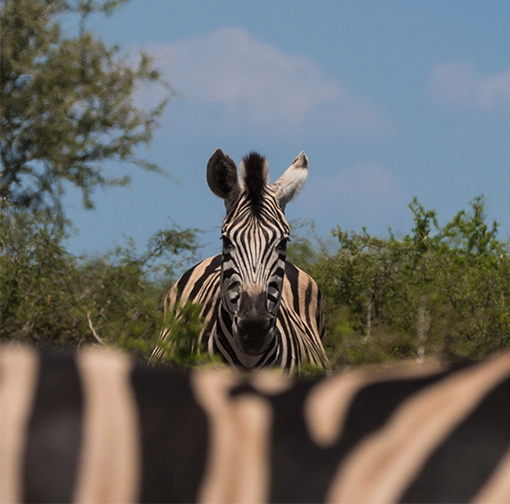
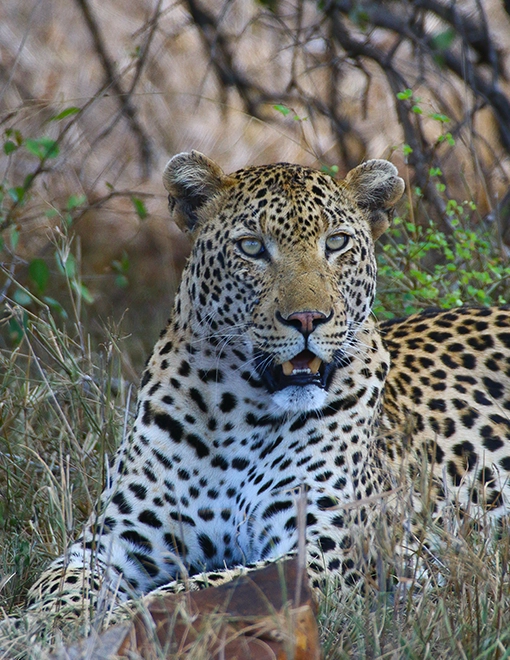
A camera can become a surprisingly useful conservation tool.
A photograph captures what’s in front you and will become an important part of your memories, but it has more value than that.
A photograph of an elephant beside a waterhole can make someone care about elephants. A leopard disappearing into golden grass can make a viewer wonder how much habitat remains for predators. A tiny bird perched on an acacia can remind people that conservation is not only about the famous animals.
That is part of conservation storytelling, and every person on safari can contribute to it.
Wild Photo Africa’s photographic safaris place ethical wildlife viewing at the centre of the experience, with guides focused on animal behaviour, positioning, light and responsible viewing.
How To Make Your SafariMore Conservation Friendly
Travellers can support conservation by choosing responsible operators, respecting wildlife and spending locally.
And you can support conservation by:
- Asking where conservation fees go. Look for transparent information rather than vague green promises.
- Choosing ethical wildlife viewing. No chasing animals, crowding sightings or pressuring guides to get closer.
- Spending locally. Local guides, craftspeople, restaurants and suppliers help keep tourism income circulating around wildlife destinations.
You don’t have to become a conservation expert before boarding the plane, but it helps to understand that every safari has an impact. And you want to make sure that your impact is a positive one.
Wild Photo Africa has a selection of tours available, ranging from exciting photography focused trips to broader, more conventional Kruger Park safaris. You can browse the full range of our tours on our website, and contact us to find out more about how you tour with us will contribute to the continuation of the wild.
Frequently Asked Questions
What are conservation safaris?
Conservation safaris are wildlife trips that contribute to protecting habitats and animals through conservation fees, responsible tourism, local employment and support for conservation focused businesses.
How do safaris help wildlife conservation?
Safaris generate tourism revenue that supports protected area management, wildlife monitoring, anti poaching programmes, infrastructure and employment.
Do safari fees contribute to conservation?
Yes. Park and conservation fees form part of the funding associated with managing protected areas. Individual fee structures differ between parks and operators.
Can wildlife photography support conservation?
Yes. Responsible wildlife photography creates images that build appreciation for animals, habitats and conservation issues while providing a powerful way to communicate stories about the natural world.
How can travellers choose a responsible safari?
Look for operators that prioritise animal welfare, follow wildlife viewing guidelines, explain their conservation practices and employ local people. Wild Photo Africa, for example, states that its photographic safaris prioritise ethical wildlife viewing and animal welfare.


